How to Improve Indoor Air Quality Naturally (What Actually Works)

Ultra fine particles contribute to poor indoor air quality.
Have you gotten home from a week away and noticed your house smelled musty? I consider myself a clean freak so its a small identity crisis when I get home and I think my house smells old.
Your house should actually smell like nothing. Not air fresheners, or clean laundry, or especially lavender scented Clorox.
That musty smell led me to find a small mold instance around some of the air vents. A consult with an HVAC mold specialist recommended lower quality HVAC filters and higher quality air purifiers
What Is Indoor Air Quality (Do Air Purifiers Remove Toxins or Just Dust?)
According to the EPA, your home air traps 2 to 5 times more pollutants than outdoor air.
We think our HVAC filters are doing the heavy lifting, but most standard residential systems can’t handle the added load of a high performance filter.
This is where air purifiers come in. Using HEPA technology they trap and remove tiny particles in the air. This includes common allergens, mold spores, dust, even smoke and some VOCs.
HEPA is the base standard but some filters provide Ulta HEPA filtration for an even cleaner experience, I’ve included the two units I’ve bought and would recommend below.
My favorite unit is the AirDoctor 3500, but it comes at a pretty high price point. It captures 99.99% of airborne particles at 0.003 microns, which is 100x smaller than the HEPA standard. It’s a higher price point, but after the mold scare it was worth it to me.
We have a second house that we rent on AirBnb. When I bought a preventative filter for that house, I went with the GermGaurdian XL. I’ve used smaller models from them and find they strike a balance between effectiveness and cost. It’s about half the price of the AirDoctor.
The GermGaurdian uses HEPA technology instead of the higher effective UltraHEPA. It still traps 97% of airborne particles but can’t get some of the smaller particles the AirDoctor can capture.
Both units auto sense and will ramp up filtration when they detect more airborne particles than normal. It’s humbling to see what activities cause the filters to ramp up. Blow drying my hair, spray deodorant, and candles all trigger it go into overdrive
What Causes Poor Indoor Air Quality in Your Home
Building materials, smoking, cooking, and biological contaminants like dust and mold all pollute your indoor air. Worse yet, traditional cleaning methods backfire. Weekly use of store-bought cleaners increases your risk of lung disease. Air fresheners trigger asthma attacks. And don't overlook radon, a leading cause of lung cancer in the United States, even though it contributes less to day-to-day air quality issues.
The National Institute of Health (NIH) includes the below visual to demonstrate the many sources of indoor pollution.
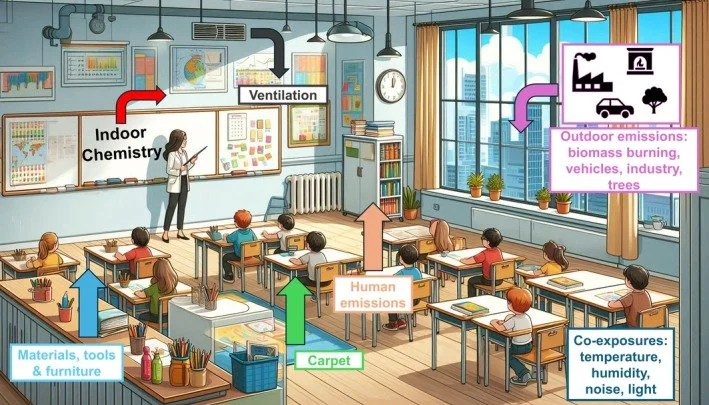
Illustration from the NIH showing the various factors that contribute to indoor pollution.
Why indoors is worse than outdoors
Modern builders construct new homes to strict energy efficiency standards, sealing them airtight to minimize heating and cooling costs. They deliberately eliminate air leaks and gaps throughout the structure. This saves you money on energy bills but traps pollutants inside. Builders choose synthetic materials to cut costs without realizing these products slowly release chemicals into your home for years. Berkeley and Harvard researchers revealed these dangers in the late 70s and early 80s, yet builders still haven't adopted the science. Consumer demand is starting to change some of these practices. As with everything it takes time for the word to spread. But if you’re reading this you still have plenty of time to make changes and start improving your home’s air quality.
Why Air Quality Matters for Your Health
Radon and carbon monoxide slowly poison us. This is easy to prevent, make sure you have CO2 detectors and get occasional radon tests!
Certain bacteria and mold trigger pneumonia and infections, hitting young children and elderly family members hardest. Indoor air fresheners, scented cleaners and candles trigger or worsen asthma attacks. Seems scary, but again this is highly preventable with an air purifier. You don’t need to make big changes to limit your family’s risk/
Women face a greater risk. We spend more time cooking, cleaning, and at home so our exposure is higher. Our homes should offer our families a safe space to recharge and rest. Instead, they threaten our health with higher concentrations of chemicals.
The 3 Most Effective Ways to Improve Indoor Air Quality
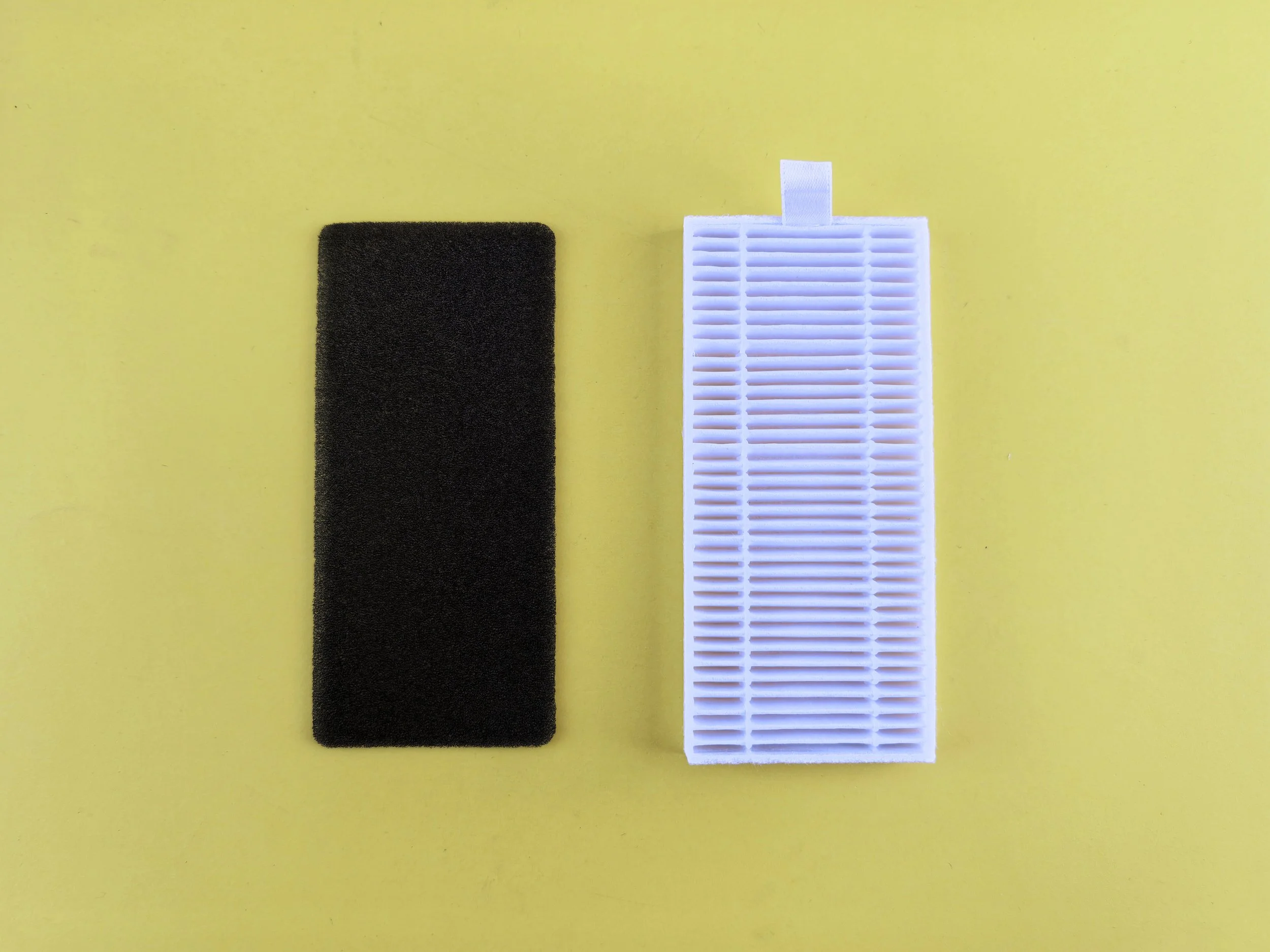
Remember to change your filters.
You can improve your indoor air quality in three ways: control sources, ventilate better, and purify the air.
Source Control (Reduce Toxins at the Source)
Start by controlling the chemicals you bring home. Choose safer cleaning products and ditch artificial fragrances.
Improve Ventilation (Fresh Air Still Matters)
Next, open windows for just 15 minutes daily and run exhaust fans while cooking or showering to flush out stale air.
Use Air Filtration (Do Air Purifiers Actually Work?)
Finally, invest in a true HEPA filter and change your HVAC filters regularly to clean the air that circulates through your home. I can promise they made a noticeable difference in my own home. There’s so many factors we can’t control for our families but this is an easy one and adds lasting value.
Want to Reduce Hidden Toxins in Your Home Even Further?
If you’re thinking about air quality, it’s worth looking at what’s coming from everyday products too.I put together a free guide to help you reduce one of the most common indoor pollutants, phthalates, without going extreme.
This post contains affiliate links. However, the recommendations are my own paid purchases and were not gifted.
