A $65 Herb Garden Should be the Start of your Garden Journey
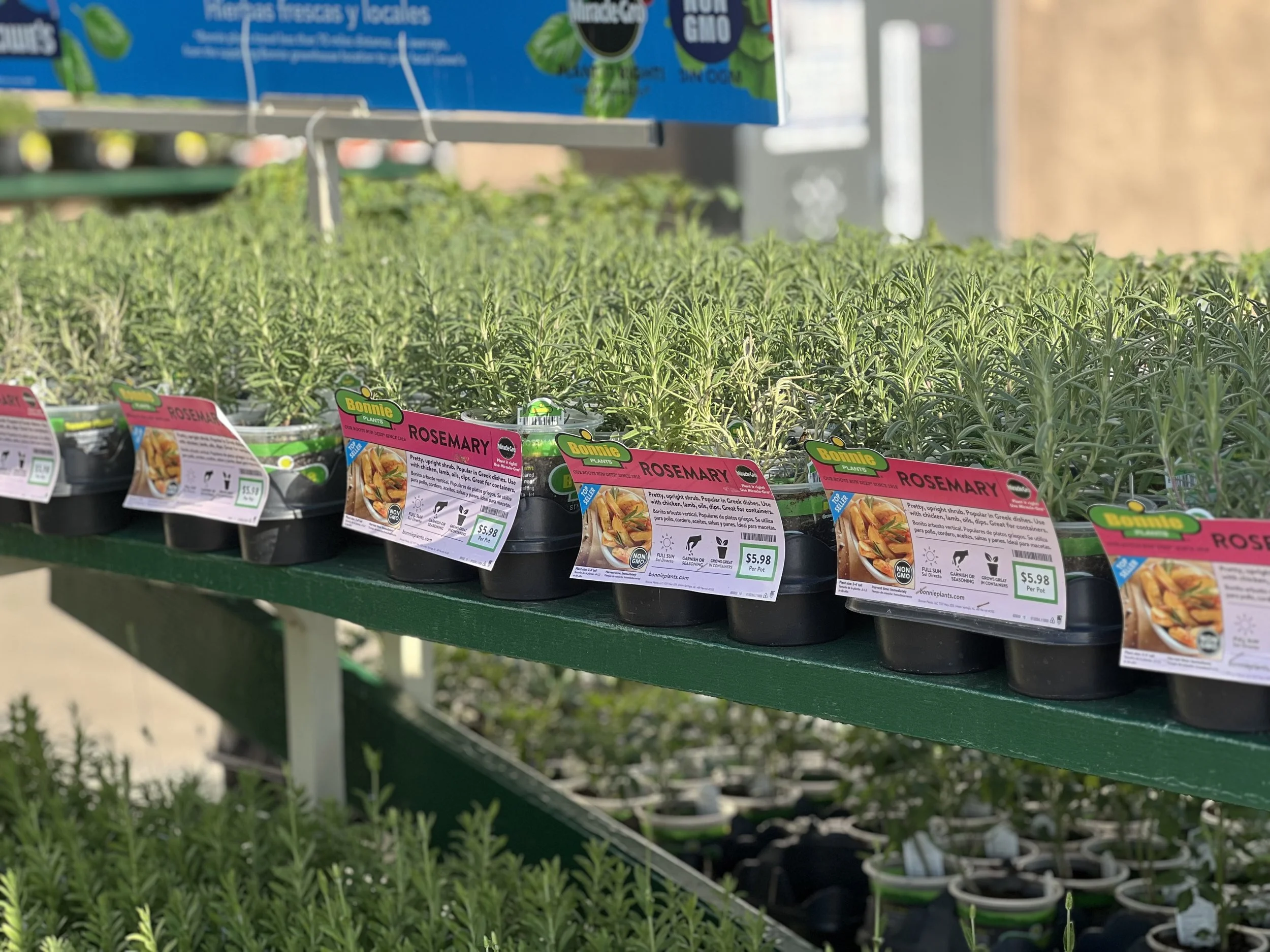
Do you know where your produce originated?
I bet you didn't know your produce generally travels pretty far before it shows up on the shelves at your grocery. The average produce item originates in Mexico or California, 1,500 - 2,500 miles for those of us on the east coast. Some are even imported from the Middle East.
After harvesting, herbs and vegetables start to lose their nutrients almost immediately. Some studies even found up to 50% loss of key vitamins within just days of harvesting.
Now I'm not suggesting we all start growing avocados, but herbs are one of the easiest ways to start. They take up so little space, are relatively easy to grow, and appear on the list of the most heavily treated with herbicides and pesticides.
How control over your food helps keep your family healthy
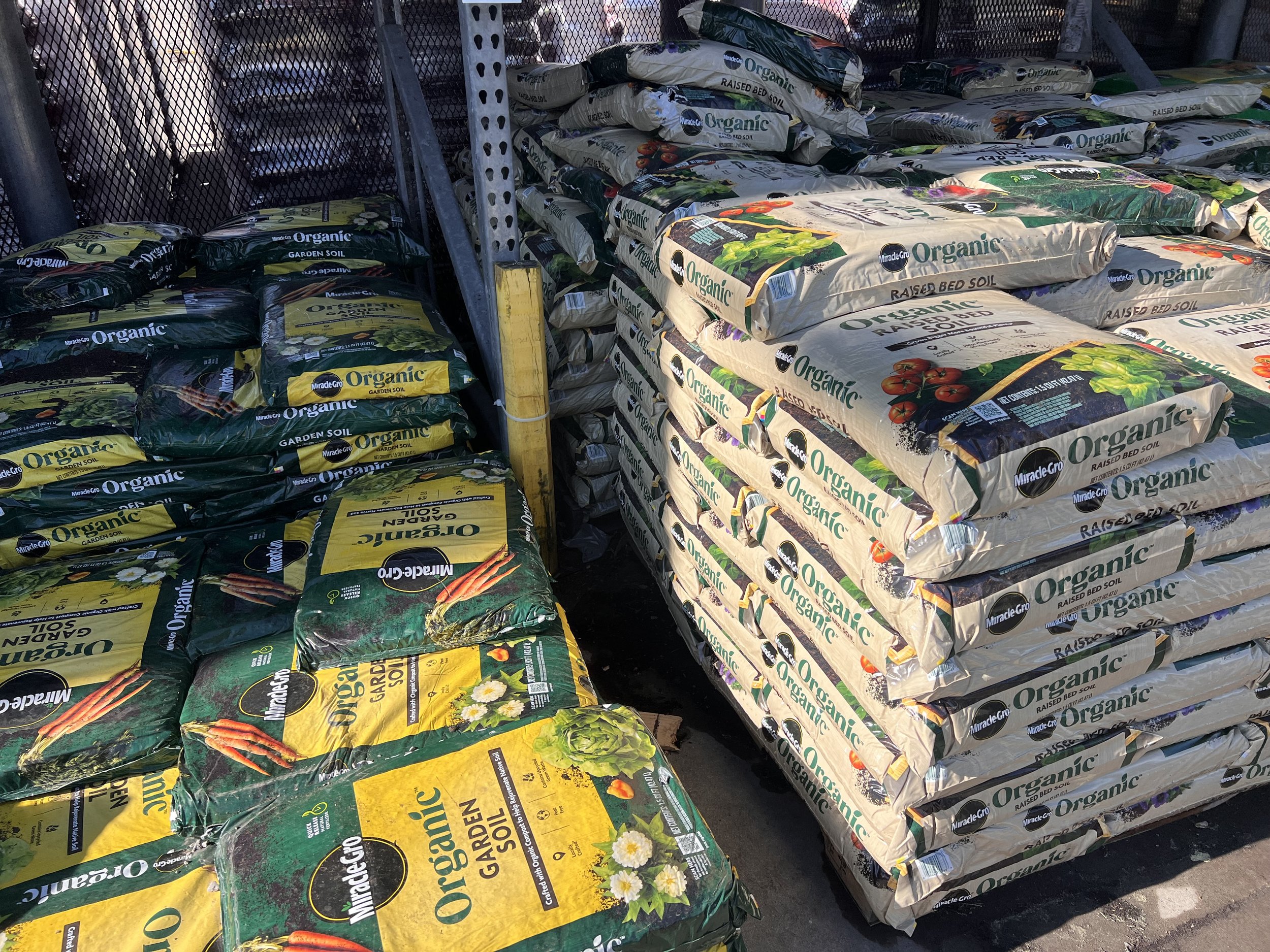
Opt for organic when possible
I'm a city girl and not trying to convince you to start raising your own livestock, but I do think gardening is a lost art. I think we should know what we're putting on, and most importantly, in our body. Being an informed consumer holds companies to higher standards and is an easy way to keep our families healthy and happy.
Mental and physical benefits of gardening
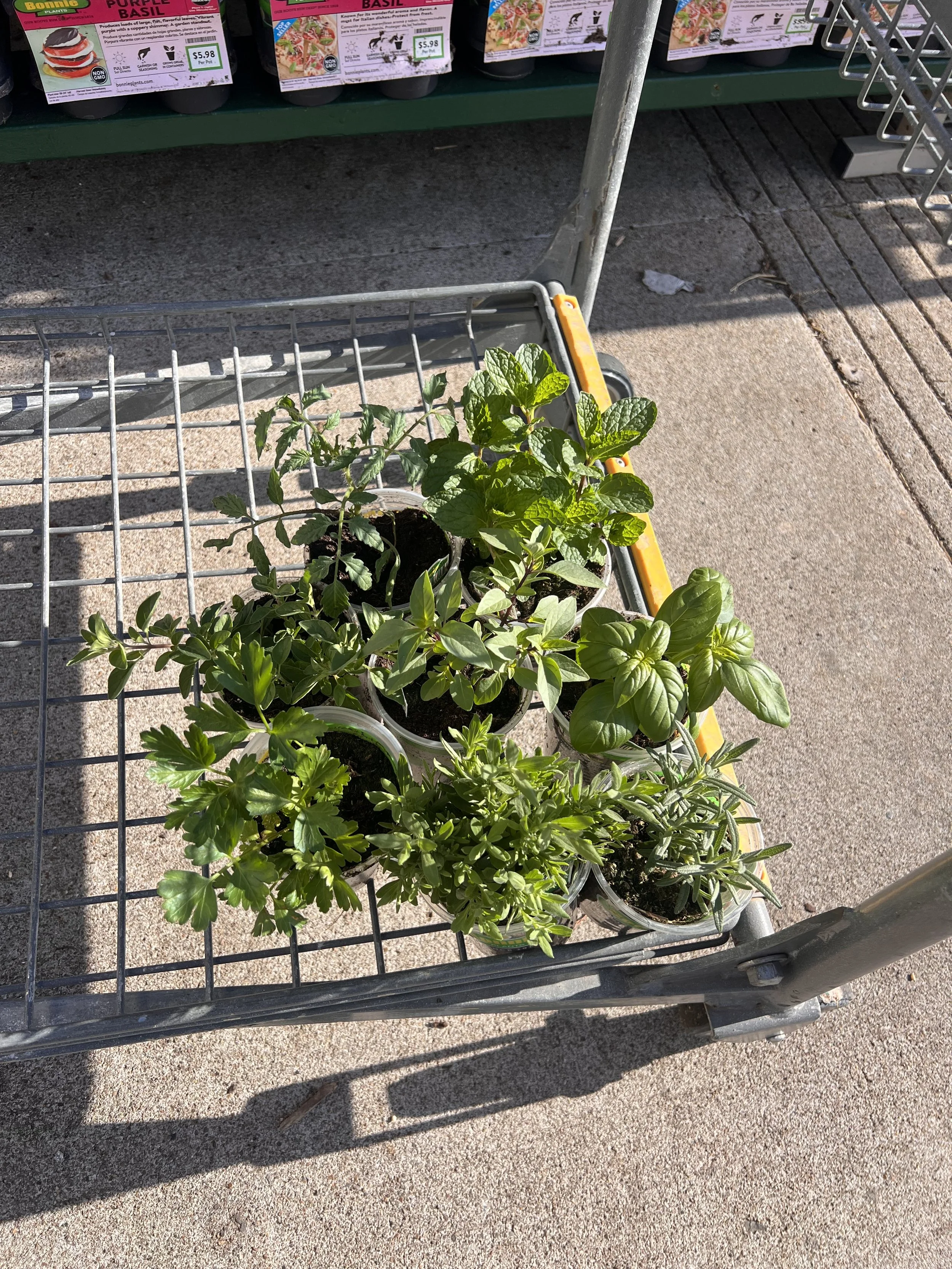
Have you killed all your indoor plants? Don't stress, an outdoor herb garden is more beginner friendly.
A herb garden won't take more than 15 to 20 minutes a week to maintain, but it's an incredible entry into the world of gardening and its endless benefits. Consider that time almost like a multi vitamin. Bacteria in the soil, Mycobacterium vaccae, have been found to release serotonin, a feel good brain chemical. Studies also show that even just 30 minutes in the garden reduces cortisol, the stress hormone that wakes you up at 3am. Getting sunlight in the morning helps regulate our circadian rhythm and provides a boost of vitamin D, something most of us are deficient in. There's even some cognitive benefits from fine motor skills.
I know I'm making it sound too good to be true, but gardening really is an incredible boost for our health. And we haven't even gotten to the taste and nutrient of your herb infused cooking.
Cost effective way to improve your cooking
Sprinkling some fresh herbs on your omelets, adding them to soup, or in a marinade before you grill is an easy way to add depths of flavor and add an extra dose of nutrients. I almost never buy the packaged herbs because I know I'll use them once and throw the rest out in a week. It seems like such a waste. Assuming you use the herbs in your garden just 4 to 5 times and you see a significant cost savings. My live herb plants were $5.99 at Lowes instead of $3.50 for wilted rosemary at Publix. Less waste, low cost and tastier food is a no brainer.
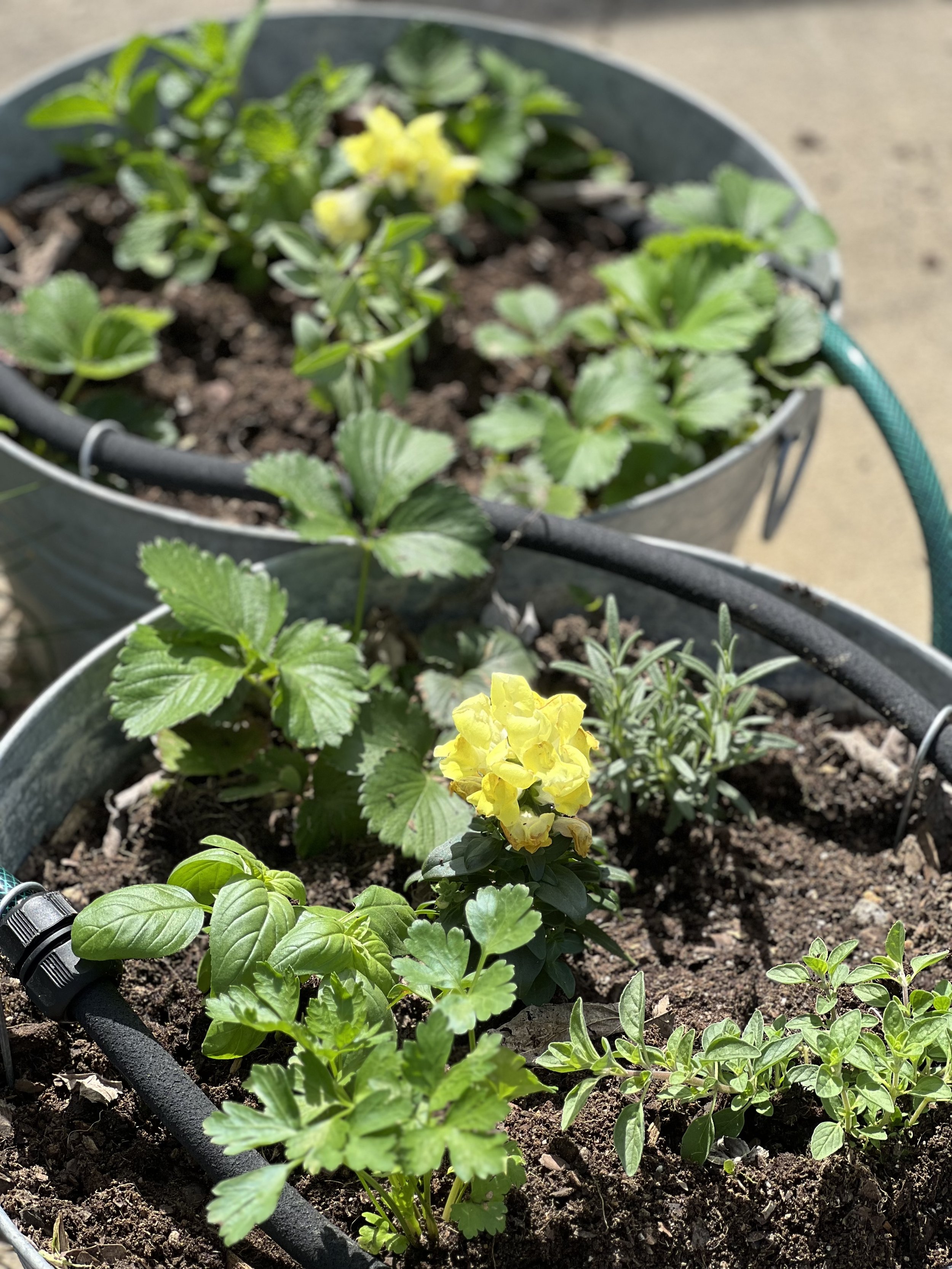
Herbs, snapdragons, and strawberries
Which herbs to start with
Rosemary is hardy and fairly easy to grow. It’s perennial in most of the US
Basil matures quickly, but make sure to pinch any flowers off or the taste will change
Parsley & Cilantro grow easily but will wilt back in the summer. They like cooler weather better. I start them but know they won’t get me through an entire summer.
Lavender smells amazing and deters pests
Thyme is another easy to grow herb with tons of uses
Dill is great in cooler weather and attracts a ton of caterpillars. I usually just let the butterflies and caterpillars have the dill.
Add a flower to attract beneficial bugs. I like marigolds, snapdragons or coneflowers.
Materials Required
Here's what you'll need:
A galvanized tub or resin outdoor planter, at least 20 to 30 inches wide
Organic potting soil or raised garden soil
A way to create drainage holes if none are present (I use a hammer and nail)
4-6 herbs of your choice (you could start with seeds, but live plants save significant time)
30 minutes of free time & sunny spot for your new container garden
*These products will all be cheaper at a home improvement store so you might as well get them while you’re grabbing your herbs.
Step by Step Instructions
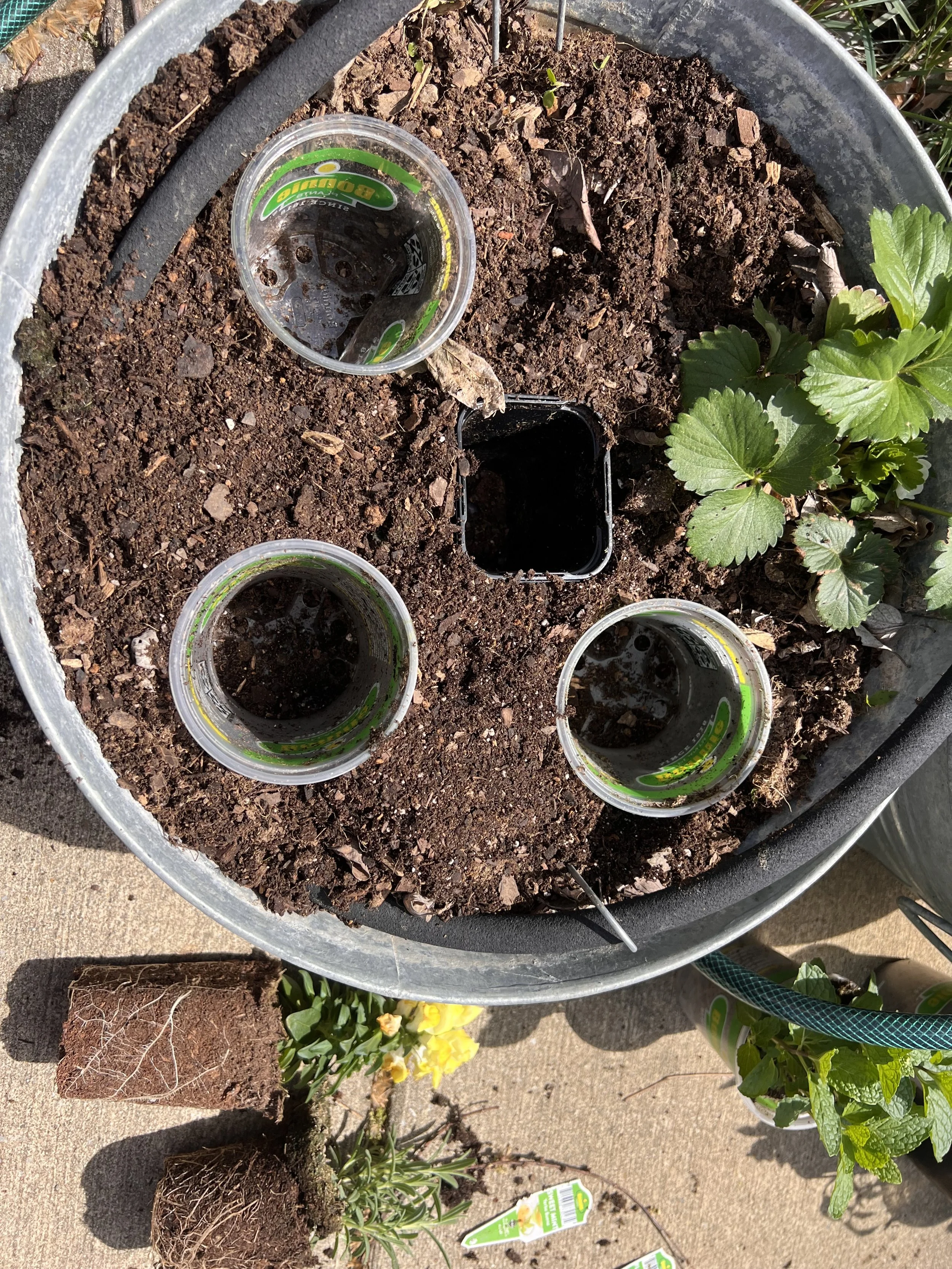
Step 3 - planting template
1) Add drainage holes if needed
2) Pour a layer of soil until your container is roughly half full
3) Remove the herbs from their pots and use the empty pots as a template for how your herbs will be laid out
4) Fill in the remaining soil around the empty pots, creating holes for your herbs
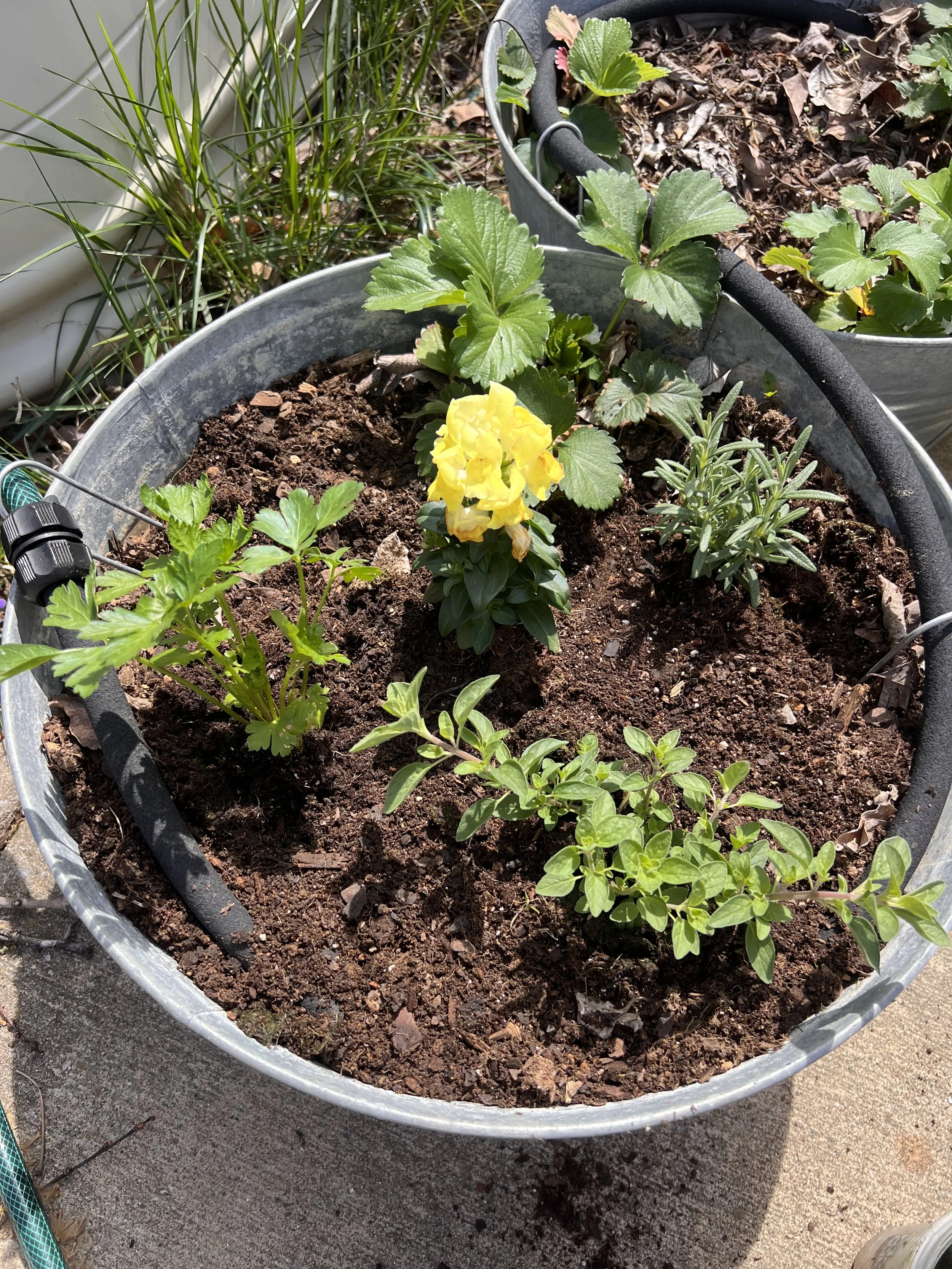
My planted pots
5) Pat the soil in and remove your empty pots, now place your herbs in their holes
6) Fill in any remaining soil, being careful not to cover the leaves of the plants
7) Give everything a fine pat to firm the soil around the roots
8) Water with anywhere between half a gallon and a gallon. Don't worry about overwatering — our drainage holes will take care of that.
They Also Make a Great Gift
Mother's day is coming up and this is one of my favorite gift ideas. It's low cost and shows a lot of thought and consideration. It's also my go-to housewarming or teacher appreciation gift.
