Microplastics Are in Your Brain. Where They Come From + How to Reduce Exposure.
It’s Why You Really Do Need that New Water Bottle
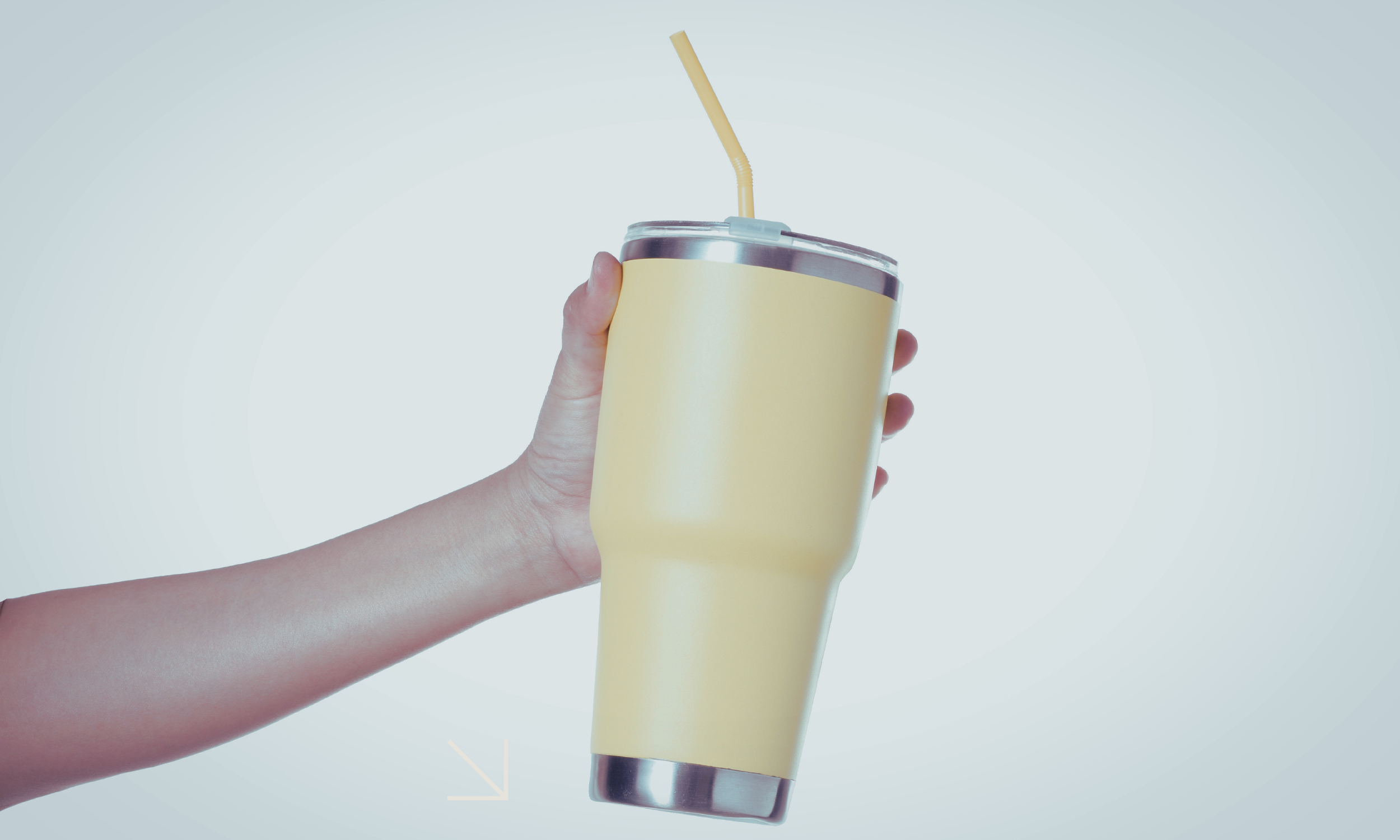
In case you needed an excuse to get another Owala or Stanley tumbler, a new study found that microplastics appear in the brain between 10 and 20 times more than anywhere else in the body. While we don't yet understand the full impact we know it's not great. Go ahead and get that new stainless steel cup or cute mug. Any excuse to reduce our exposure is a good one.
What Are Microplastics?
Microplastics are tiny plastic particles that form when larger plastic products degrade from UV exposure, heat, or mechanical wear. Microplastics carry more than 10,000 chemicals, including known carcinogens and endocrine disruptors like BPA and phthalates. Endocrine disruptors are in all sorts of modern chemicals and impact the way our bodies process hormones.
Where Are Microplastics Found in Daily Life?
Microplastics are found in food that's been wrapped in plastic. Think tea bags, cellophane wrapped meat, and clam shell packaged produce. It's even been found in sea salt, honey, beer, and sugar. Microwaving those to-go containers releases microplastic. Sadly the lining of our favorite carbonated drinks usually also contain a plastic lining and leach microplastics.
Are Microplastics Harmful to Humans?
Studies had found that levels of microplastics in our brains are actually increasing, as much as 50% between 2016 and 2024. Meaning we're more exposed than we were a decade ago. These particles build up in our arteries, and increase the risk of heart attack and stroke. They're associated with hormone disruption, impacting our thyroids, reproductive organs, and adrenal functions. The inflammation associated drives oxidative stress, think aging, and gut microbiome disruption, which has a whole host of impacts.
We can't necessarily test for causation because that would mean knowingly exposing test subjects to create these diseases. But we certainly don't need causation data to justify reducing our exposure. We have mounting evidence that they're best avoided. And the good news? It's easier every day to minimize your risk.
In addition to the suspected harm microplastics cause to humans, we see similar impacts to our environment. They affect soil health and pollute marine ecosystems, which works its way into our food, and back into our bodies. The effects are far reaching, and eventually end up right back in our laps.
How to Reduce Microplastic Exposure at Home
Obviously my favorite way to reduce exposure is a cute tumbler, glass or stainless steel preferably. You should invest in a reverse osmosis water filter (read our article on water filtration here) and switch from unfiltered tap or bottled to make a huge impact on your family's plastic exposure.
In the kitchen, avoid heating plastic wherever possible, move food from to-go containers onto a plate or microwave safe bowl before heating. Ditch the plastic tea bag for loose leaf tea (bonus you get a mindful, slow-living ritual). Check your canned food or drinks for BPA free labels and consider switching to a glass or BPA free labeled brand.
BPA-free plastic still leaches BPS and phthalates and still sheds microplastics, so when possible opt for glass containers.
In your home, wash your clothes in a cooler setting. It saves you energy and our modern high efficiency machines are built to support it. When you vacuum make sure you're using a HEPA filtered vacuum and open windows regularly. This cuts down on airborne particles and prevents them from reentering the water system.
Research suggests saunas and compounds in broccoli can help clear some of the chemicals (BPA and phthalates) associated with plastic but do not clear the particles themselves. Trying to reduce exposure is probably the best course of action, at least for today.
5 Easy Swaps to Reduce Plastic Use Today
If I were starting from zero or looking for the biggest impact swaps here's what I would do:
Reverse osmosis filter (this countertop unit is affordable and the filters are manageable)
Switch to glass food storage containers, especially for heating
Loose leaf tea and a stainless steel infuser
Reusable grocery bags to cut down on new plastic generated
Stainless steel or glass cups (I'm a sucker for a cute coffee mug)
Why Eliminating 100% of Microplastics Isn’t Realistic
Experts agree exposure is unavoidable and it's not worth the stress of trying to be perfect. As we're learning new things, we're adapting them into our health and wellness practice. I don't want this to be a source of stress, just an educated warning that with a little effort you can drive big changes.
Don't be overwhelmed. Focus on making one or two of the changes recommended every month and it will compound over time. You got this.
My Favorite Plastic-Free Alternatives
This article contains affiliate links for your convenience, but there are tons of cost effective swaps at your local grocery store or from tons of reputable online brands.
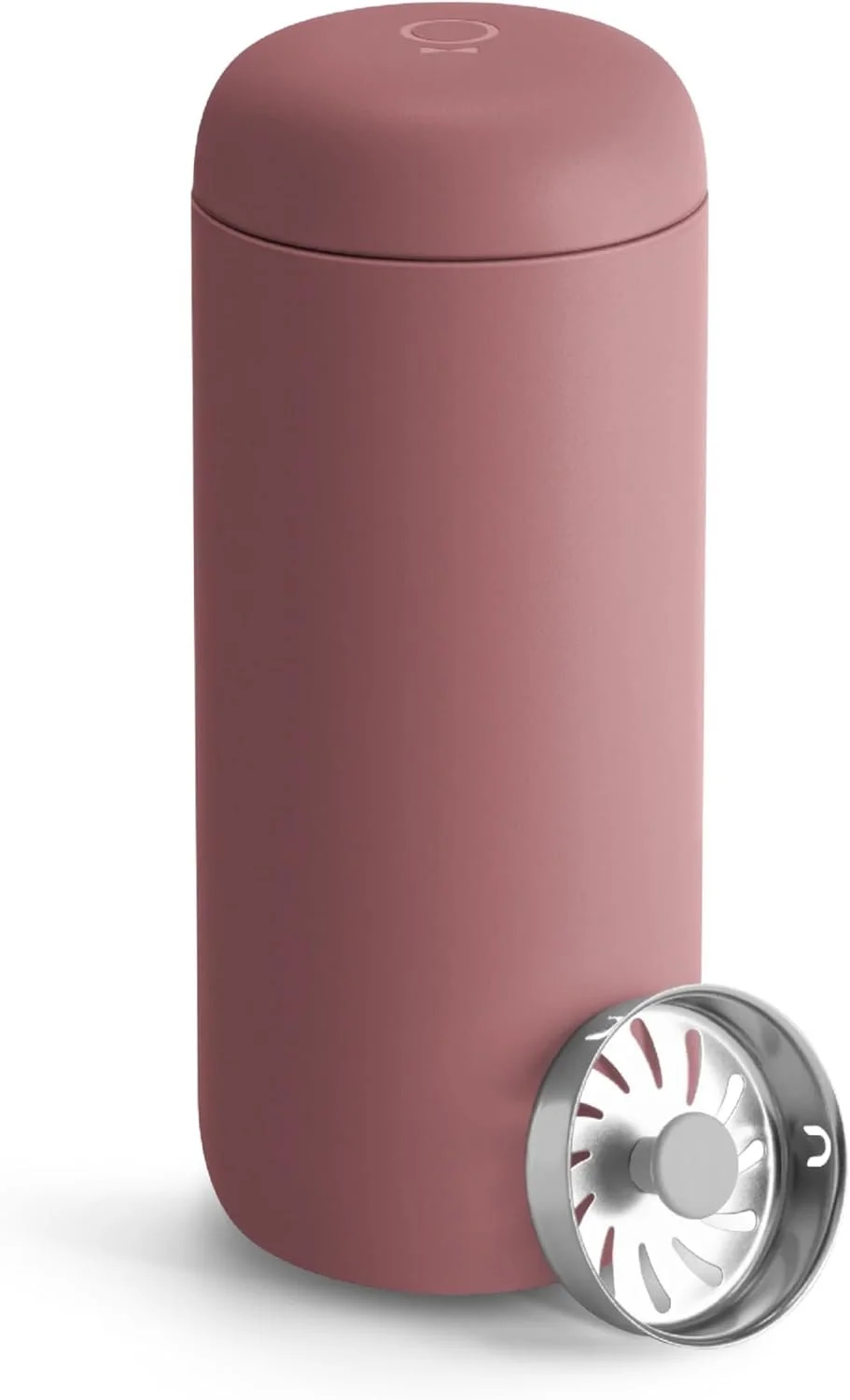
Fellow
Fellow Carter Move Travel Mug
Not leakproof enough for a backpack pocket but has a slash guard so you don’t slosh your iced coffee all over your shirt
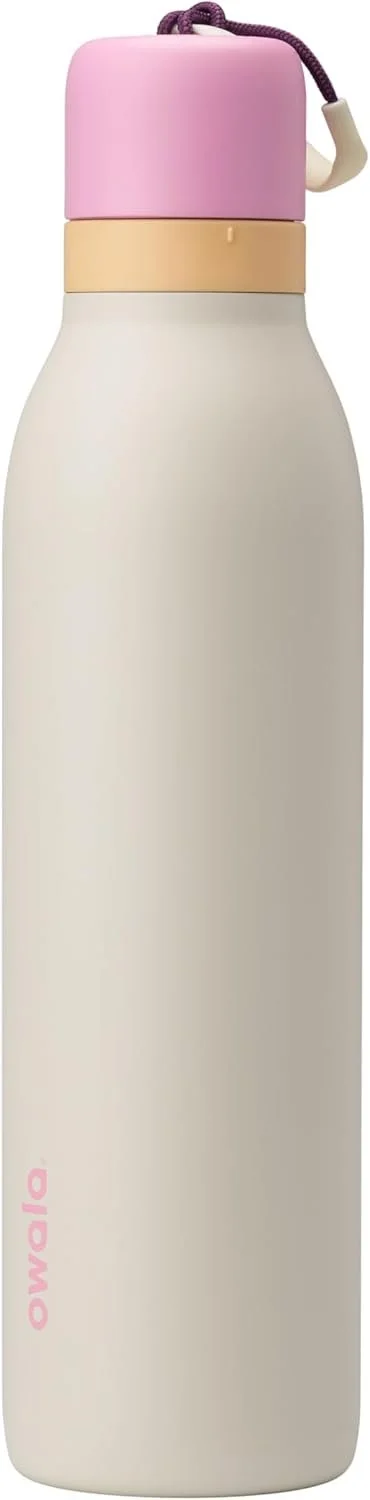
Owala
Owala Free Sip Stainless Steel Water Bottle
Has a built in straw and still fits in the side pocket of your backpack for easy traveling.
Stanley Quencher
A classic for a reason. Some colors are on sale right now, too.
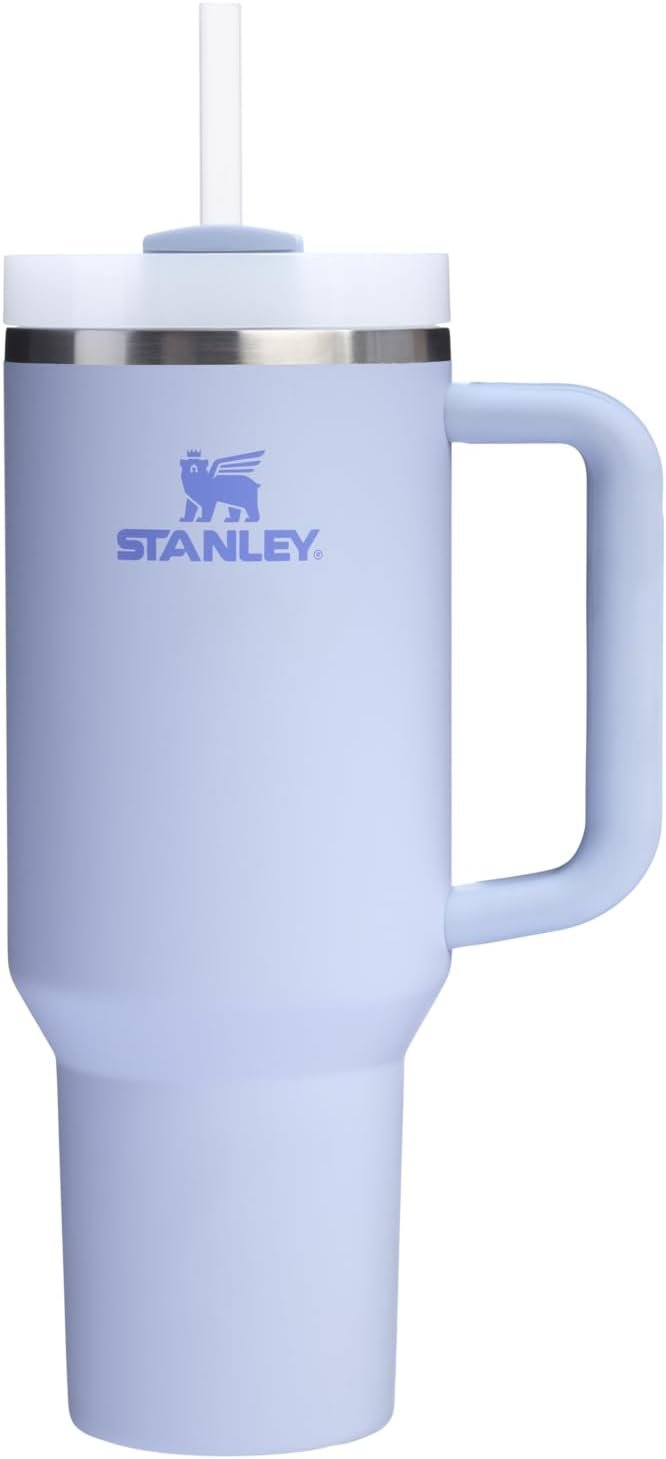
Stanley
