
The 12 Foods You Should Always Buy Organic (And the 15 Where It’s a Waste of Money)
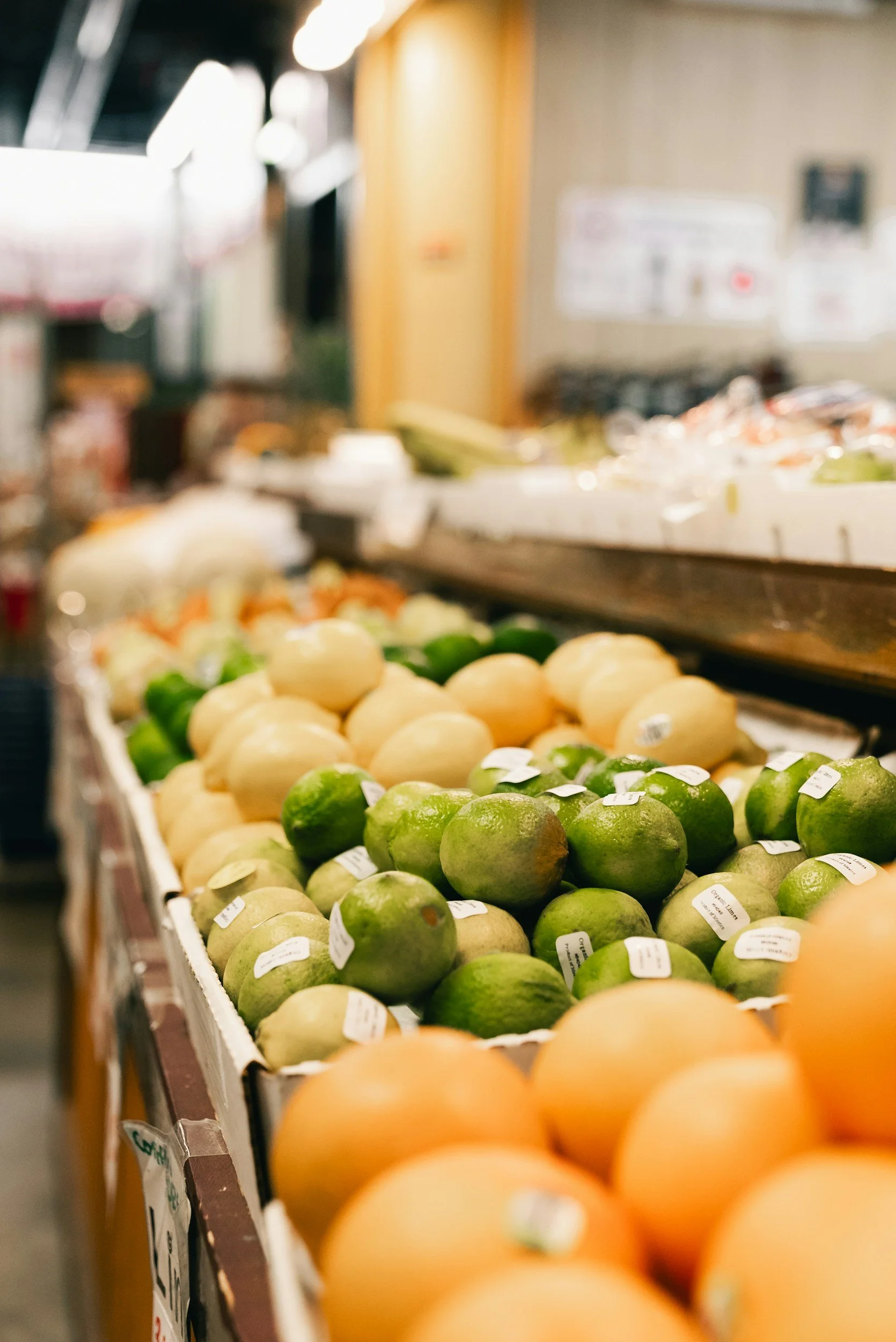
I don’t buy 100% organic. I’m not advocating for a no-tox lifestyle. I find it overwhelming and mostly based in fear mongering.
The world we live in is full of plastics, and pesticides, and new chemicals are created daily. But I’ve had a dog diagnosed with cancer at just 4 years old and it's a cancer that seems tied to chemical exposure.
If it's easy to make a swap to reduce the chemicals in my household I do it. I’d rather be safe than sorry, and I believe every little bit adds up.
What Is the EWG Dirty Dozen List? (And Why It Matters for Your Family)
Have you heard people reference the “Dirty Dozen”? It’s a list published every year by the Environmental Working Group, a nonprofit health and environment advocacy group. They first started publishing The Shopper’s Guide to Pesticides in Produce in 2004, and this year has had some of the biggest shake ups.
They reviewed USDA data on almost 55,000 samples of 47 different fruits and vegetables. Samples are scrubbed, peeled, and washed and then tested. You might think you can wash off the chemical residues, but you’ll need a little more than a quick rinse under the faucet.
Critics argue that the detectable levels of pesticides fall within the legal limits, however most of the chemicals are banned in the EU. As with most things these days we have to look for a compromise. Limit exposure where it’s easy and reasonable to do so, but understand that there is nuance in the discussion.
While the EWG faces criticism for being overly cautious it’s worth noting that their methods are peer reviewed, and they are using data from the USDA, not performing these tests themselves.
The 2025/2026 Dirty Dozen List: 12 Fruits and Vegetables with the Most Pesticides
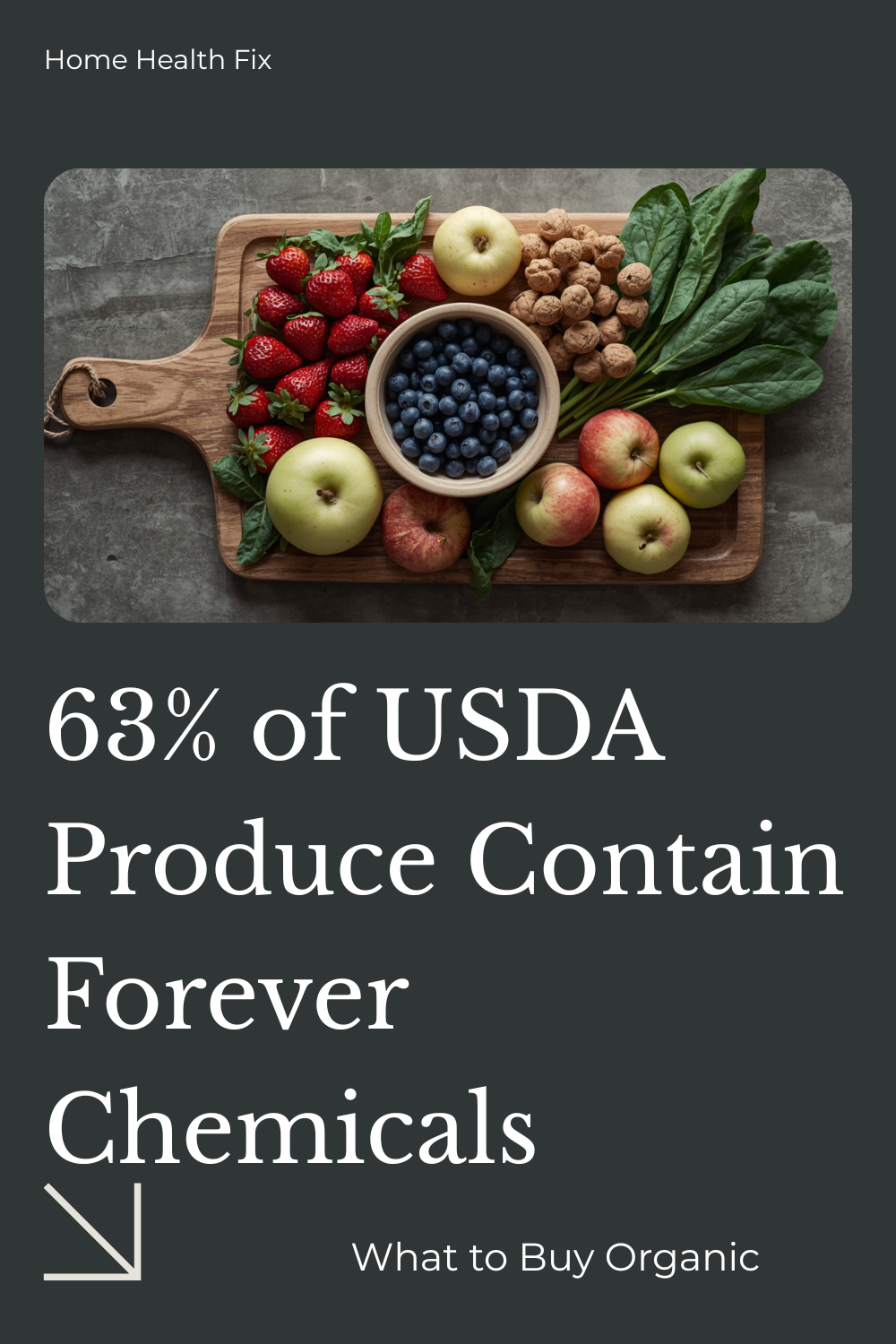
Of the 47 foods tested, these 12 were the most contaminated with pesticides. For the first time the list also included foods contaminated with PFAS or “Forever Chemicals”, hormone disrupting chemicals that cause developmental issues.
Spinach — the most contaminated produce
Kale, collards, and mustard greens — over half the samples contained a pesticide that’s been banned in the EU for 15 years
Strawberries — even the USDA found that almost all samples – 99 percent – had detectable residues of at least one pesticide
Grapes
Nectarines — thin skins easily allow pesticides to penetrate the fruit
Peaches
Cherries
Apples
Blackberries — USDA tests showed that over 78% of the samples tested contained two or more pesticides
Pears
Potatoes — the most consumed vegetable in America
Blueberries
The average American consumes around 50 pounds of potatoes, 8 pounds of strawberries, and 17 pounds of apples per year. It’s important to consider the cumulative dose of pesticides across all forms.
This year we also got data on PFAS found in these tests. A whopping 63% of samples tested contained PFAS, or forever chemicals. It’s increasingly important to reduce our exposure when possible, because we’re inundated with microplastics and the PFAS they leach, more than ever before.
Dirty Dozen vs. Clean Fifteen: Which Produce Actually Needs to Be Organic?
Most of us don’t have an infinite grocery budget and with food costs rising, the “Clean Fifteen” offer some relief. Nearly 60% has no detectable pesticide residue, meaning these are the fruit and veggies where you can buy conventional with little risk.
Ever wonder if you need to buy organic avocados? The answer is no. Here’s the list of the cleanest 15 fruits and vegetables.
Pineapple
Corn
Avocados
Papaya
Onions
Sweet peas (canned and frozen)
Asparagus
Cabbage
Cauliflower
Watermelon
Mangos
Bananas
Carrots
Mushrooms
Kiwi
These are the foods that have the fewest pesticides and a great spot to stretch a dollar. Not seeing a food on either list? Lots of tested items fall somewhere in between, these foods are less clear cut. If you eat something often (more exposure) and it’s not on the clean list it might be a good idea to buy organic. If it’s something you eat infrequently, you’re probably safe getting the conventional version.
Is Organic Worth It? The Science Behind Pesticide Residues on Produce
Is organic worth it? It depends — Dirty Dozen yes, Clean Fifteen maybe not unless you have an unlimited budget.
First and foremost, eating a diet high in fruit and vegetables is the most important factor for health. We’re not trying to discourage eating produce.
If you’re able, going organic for just the Dirty Dozen will create meaningful health improvements. Studies show switching from conventional to organic produce significant reductions in pesticide levels in urine tests — including a 70% reduction in glyphosate.
Does Washing Produce Remove Pesticides?
While it can remove some of the pesticide residue, washing does not remove 100%. Remember the EWG washes and peels produce before testing. One study found that washing fruit with detergent was actually less effective than washing under running water.
The most effective washing method appears to be soaking in baking soda for at least 15 minutes, but remember this still doesn’t solve for pesticides that have passed through the skin into the fruit or vegetable.
How to Shop the Dirty Dozen on a Budget (Without Overpaying for Organic)
If you can only change a small thing, start with the most commonly eaten foods in your house — strawberries, blueberries, and potatoes top the list for most of us.
Farmers markets offer produce that while not USDA certified organic may be pesticide free, just ask as you’re shopping.
Shopping peak season also usually results in discounts. A greater supply usually means lower prices.
Finally stock up on frozen fruit and veggies. Frozen foods are generally more economical and offer the same nutritional benefits.
Want to Remove Even More Toxins from Your Home?
Cleaning up your produce is a great first step — but pesticides are just one piece of the puzzle. Phthalates are hormone-disrupting chemicals hiding in everything from plastic food containers to personal care products, and most of us are exposed daily without realizing it. Download our free Phthalate-Free Home Guide to find out where they’re lurking and the simple swaps that actually make a difference.
Mineral vs Chemical Sunscreen: Which is Safer + What Actually Works
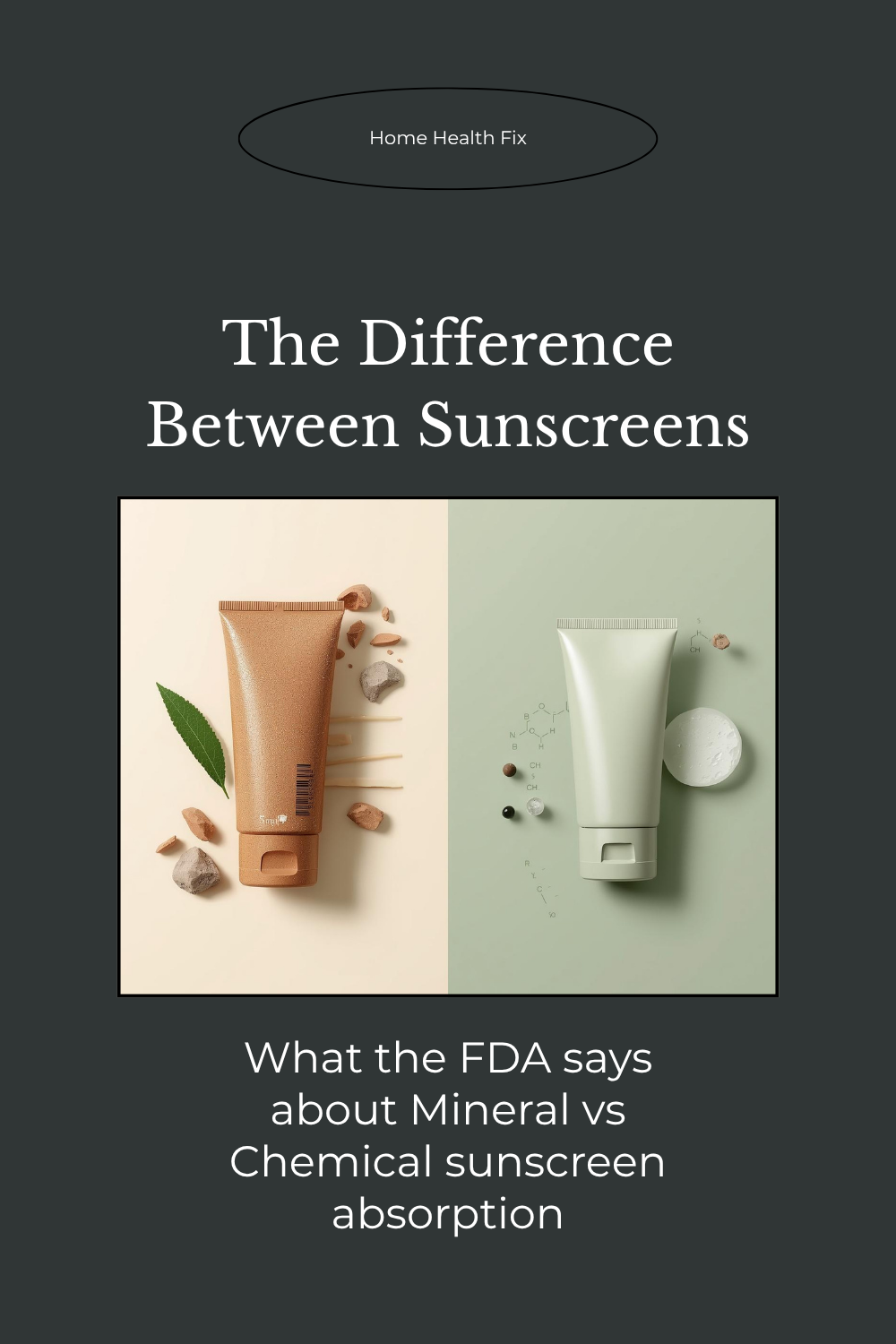
Why do so many dermatologists recommend mineral sunscreen? The short answer is mineral sunscreens are the only ones the FDA has recognized as safe. While still offering sun protection, chemical sunscreens are absorbed into our blood at high levels, with no proof those levels are safe for long term usage.
Why do so many dermatologists recommend mineral sunscreen? The short answer is mineral sunscreens are the only ones the FDA has recognized as safe. While still offering sun protection, chemical sunscreens are absorbed into our blood at high levels, with no proof those levels are safe for long term usage.
UVA vs UVB: What You Need to Know
To understand why the mineral vs chemical sunscreen debate matters, it helps to know what we're actually protecting against. We're concerned with two types of UV rays — UVA and UVB — and they don't behave the same way.
UVB
Generally speaking UVB is the shorter wavelength that causes sunburn. SPF ratings relate to UVB exposure. While both UVB and UVA contribute to cancer, UVB is linked to around 90% of non-melanoma skin cancer. It's also the wavelength that initiates vitamin D synthesis, so the goal isn't zero UVB exposure.
UVA
While UVA rays won't cause sunburn, they're the primary driver behind aging. They penetrate the skin more deeply and cause long term skin damage.
They penetrate clouds as well as auto glass and the windows in your home — which is why you've heard people say to wear sunscreen even on cloudy days. UVA rays are the reason behind that advice.
UVA rays are also constant year-round, even in the winter, while UVB rays are mostly a concern from late spring to early fall.
Both types of UV rays cause damage and we wear sunscreen to prevent both — the cancerous UVB exposure and the aging UVA exposure. And the type of sunscreen you choose affects how well you're actually protected.
What Does SPF Actually Mean?
SPF (Sun Protection Factor) measures how well a sunscreen protects against UVB rays by indicating the theoretical multiplier of time it takes for skin to redden compared to not wearing any protection. If your skin begins to burn in 10 minutes without protection, SPF 30 theoretically allows you to stay in the sun 30 times longer — 300 minutes — without burning.
No sunscreen blocks 100% of UV rays. SPF only measures protection against UVB rays, not UVA rays. To protect against UVA, always choose broad-spectrum sunscreen — meaning it protects against both UVA and UVB rays.
What Is the Difference Between Mineral and Chemical Sunscreen?
Sunscreens are a hotly debated topic, with everyone having a strong personal preference and a general willingness to switch. I have a friend that still only uses Hawaiian Tropic SPF 5 despite eating organic and avoiding sugar. We like what we like.
However, there's a ton of research supporting the safety and effectiveness of mineral sunscreen over chemical sunscreens. If you haven't already made the switch, it's probably time to reconsider.
If you're not already wearing sunscreen at all, please consider starting. Studies show consistent use reduces skin cancer incidents and significantly slows signs of aging. The goal is protection — we're just here to help you choose the better version of it.
Is Mineral Sunscreen Safer?
You've probably heard that mineral sunscreens provide a physical reflective barrier. That framing is a little outdated. Both chemical and mineral sunscreens are absorbed into the skin, but mineral sunscreens scatter UV rays while chemical sunscreens absorb them and convert them to heat.
There are two primary mineral sunscreen ingredients today — zinc oxide and titanium dioxide. Zinc is famous for the white cast it can leave. Companies are experimenting with nanoparticle mineral sunscreens to reduce the white cast. The FDA notes those nanoparticles are not known to cause harm, but it is still a new technology without a long track record.
A few things to look for on the label: at least 15% zinc oxide for full coverage, and no additional active ingredients — if there are any, it's likely a "hybrid" sunscreen and should be treated as a chemical sunscreen.
Are Chemical Sunscreens Harmful? (US vs EU Regulations)
The primary concern with chemical sunscreen isn't the UV protection — it's the chemicals used and how deeply our bodies absorb them. Unlike mineral sunscreen, chemical sunscreen is absorbed into the bloodstream.
TheFDA classified 12 chemical sunscreens (including oxybenzone, avobenzone, homosalate, and octocrylene) as "not generally recognized as safe due to insufficient data." That's not a finding that they're unsafe — it's a finding that we don't have enough data to say they are. What we do know is that these chemicals are absorbed into the blood at levels that exceed the FDA's recommended allowance.
In aFDA Maximum Usage Trial, all 6 tested chemical UV filters exceeded the FDA bloodstream safety threshold after just normal application. Two of the most common — oxybenzone and homosalate — were still above threshold 21 days after application stopped.
It's important to note: it's not chemical sunscreen as a category that's the problem. It's specifically the chemical ingredients available in the US. Which brings us to why that is.
Why Europe Has Better Sunscreen Options
The US is actually behind much of the world when it comes to sunscreen options, and it comes down to how the FDA classifies the product. In the US, sunscreen is considered an over-the-counter drug, which means new ingredient approvals are slow and very expensive.
In the EU and Korea, these products are classified as cosmetics — which doesn't mean they're less tested, it means the regulatory pathway is faster and the standards are, in many cases, stricter and more comprehensive than ours. Newer ingredients like Tinosorb, Mexoryl, and Uvinul are widely available abroad but haven't been approved here.
To put that in perspective: the last chemical sunscreen ingredient approved in the US was avobenzone — in 1996. Avobenzone is now being phased out in some regions because it's toxic to marine life and wreaks havoc on coral ecosystems.
These same chemicals are also showing up in tap water, because municipal filtration systems aren't designed to filter them out. Ditch the chemicals in your sunscreen — and then consider upgrading your tap water, too.
Best Mineral Sunscreens (What I Use)
Making the switch doesn't have to be complicated. These are the ones I've actually used and kept in my rotation.
Prequel SPF 50 Mineral Sunscreen — Affordable and my go-to on days when I'm outside for long periods of time.
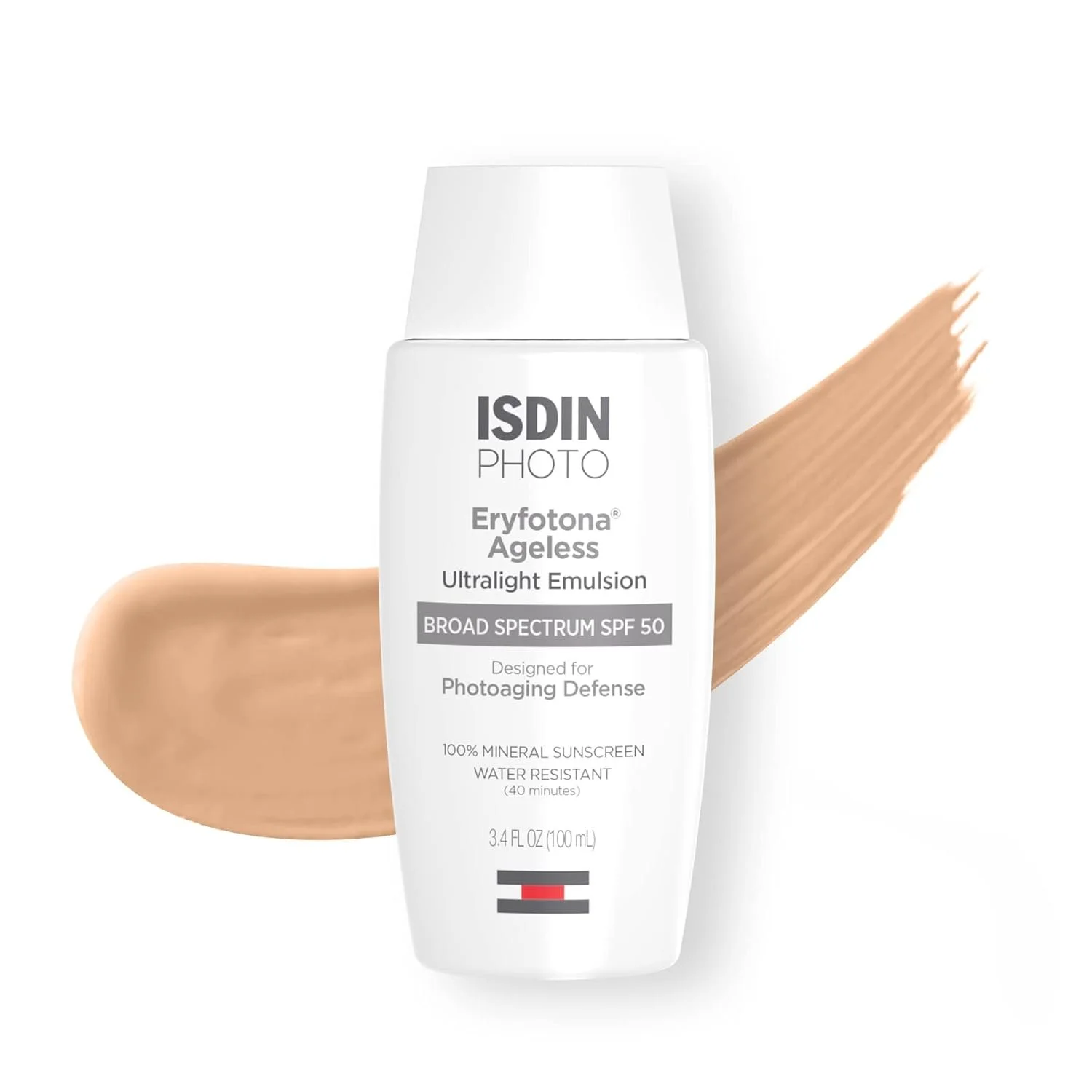
ISDIN Tinted Mineral Sunscreen — The tinted base helps minimize the white cast for me.
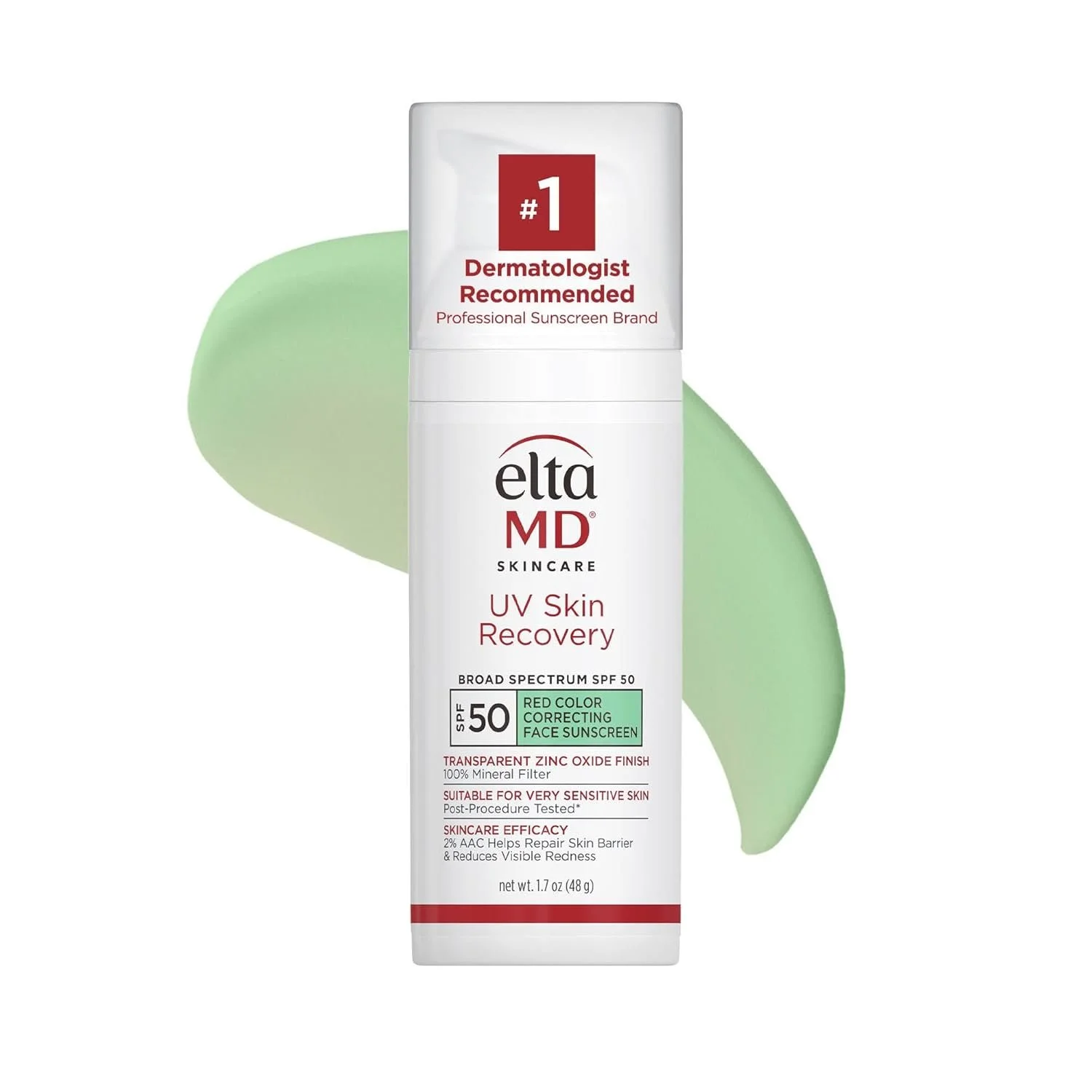
EltaMD UV Skin Recovery Sunscreen— The green tint reduces the appearance of redness for a balanced complexion.
Hemlock Sun Hat — I love to work in my garden and I'm shameless about wearing a giant hat to get that extra sun protection while I do it.
I'm not here to tell you that your current sunscreen is going to hurt you — the research isn't there yet for that kind of certainty. What I do know is that better options exist, they work just as well, and the switch is genuinely easy. If you're already reading ingredient labels on your food, it's worth spending two minutes on your SPF too.
Affiliate disclosure: this post contains a few affiliate links. They're at no cost to you and based entirely on products I actually use on a daily basis.
Microplastics Are in Your Brain. Where They Come From + How to Reduce Exposure.
It’s Why You Really Do Need that New Water Bottle
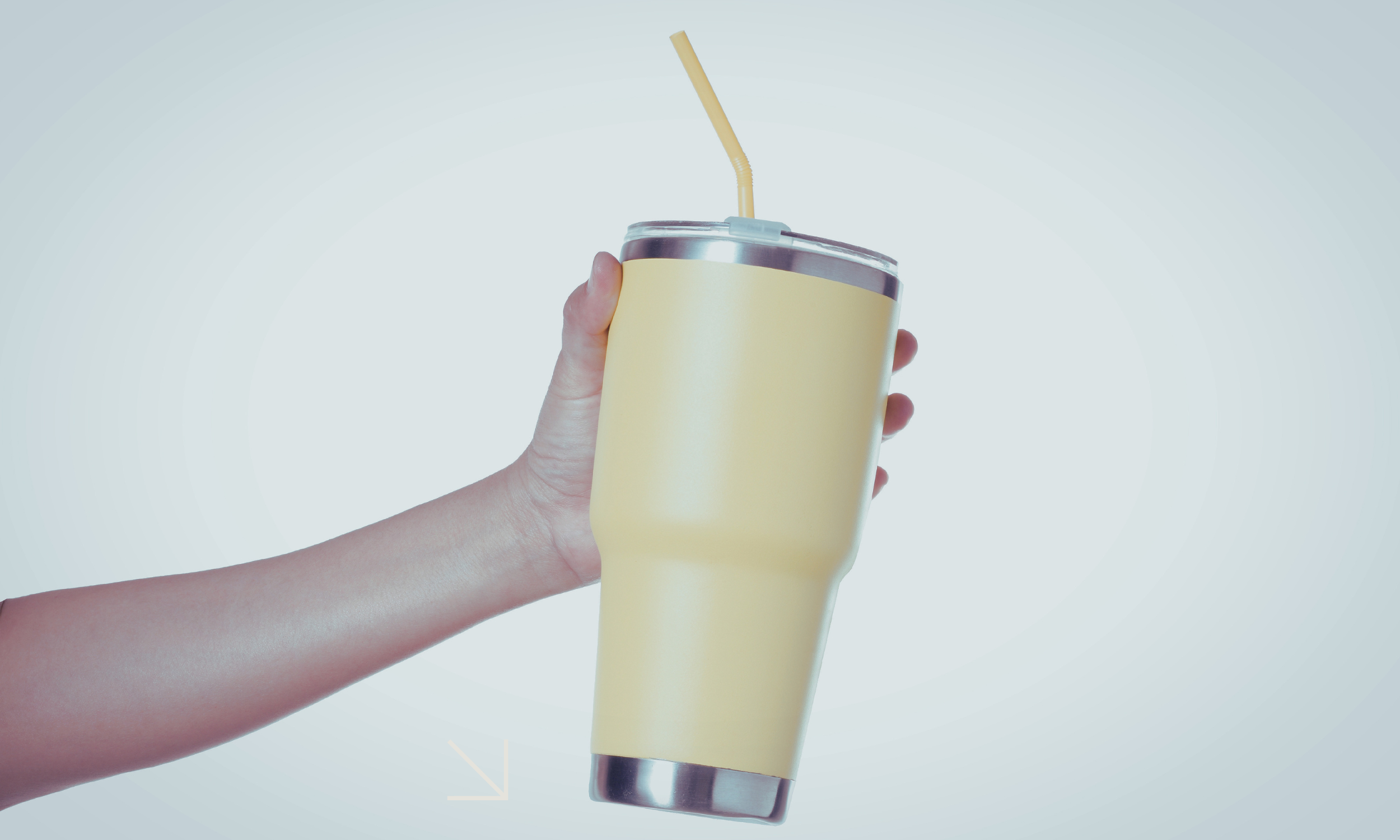
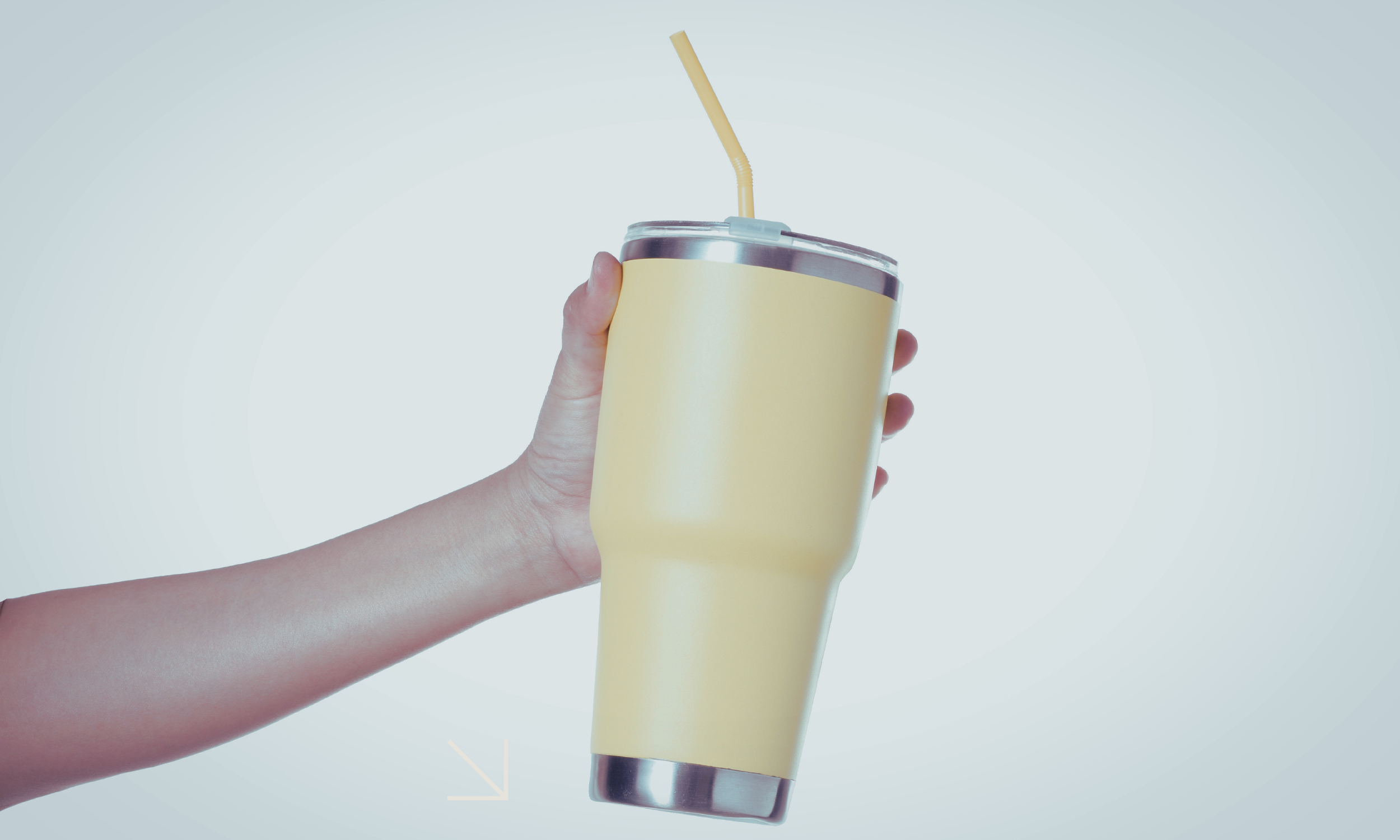
In case you needed an excuse to get another Owala or Stanley tumbler, a new study found that microplastics appear in the brain between 10 and 20 times more than anywhere else in the body. While we don't yet understand the full impact we know it's not great. Go ahead and get that new stainless steel cup or cute mug. Any excuse to reduce our exposure is a good one.
What Are Microplastics?
Microplastics are tiny plastic particles that form when larger plastic products degrade from UV exposure, heat, or mechanical wear. Microplastics carry more than 10,000 chemicals, including known carcinogens and endocrine disruptors like BPA and phthalates. Endocrine disruptors are in all sorts of modern chemicals and impact the way our bodies process hormones.
Where Are Microplastics Found in Daily Life?
Microplastics are found in food that's been wrapped in plastic. Think tea bags, cellophane wrapped meat, and clam shell packaged produce. It's even been found in sea salt, honey, beer, and sugar. Microwaving those to-go containers releases microplastic. Sadly the lining of our favorite carbonated drinks usually also contain a plastic lining and leach microplastics.
Are Microplastics Harmful to Humans?
Studies had found that levels of microplastics in our brains are actually increasing, as much as 50% between 2016 and 2024. Meaning we're more exposed than we were a decade ago. These particles build up in our arteries, and increase the risk of heart attack and stroke. They're associated with hormone disruption, impacting our thyroids, reproductive organs, and adrenal functions. The inflammation associated drives oxidative stress, think aging, and gut microbiome disruption, which has a whole host of impacts.
We can't necessarily test for causation because that would mean knowingly exposing test subjects to create these diseases. But we certainly don't need causation data to justify reducing our exposure. We have mounting evidence that they're best avoided. And the good news? It's easier every day to minimize your risk.
In addition to the suspected harm microplastics cause to humans, we see similar impacts to our environment. They affect soil health and pollute marine ecosystems, which works its way into our food, and back into our bodies. The effects are far reaching, and eventually end up right back in our laps.
How to Reduce Microplastic Exposure at Home
Obviously my favorite way to reduce exposure is a cute tumbler, glass or stainless steel preferably. You should invest in a reverse osmosis water filter (read our article on water filtration here) and switch from unfiltered tap or bottled to make a huge impact on your family's plastic exposure.
In the kitchen, avoid heating plastic wherever possible, move food from to-go containers onto a plate or microwave safe bowl before heating. Ditch the plastic tea bag for loose leaf tea (bonus you get a mindful, slow-living ritual). Check your canned food or drinks for BPA free labels and consider switching to a glass or BPA free labeled brand.
BPA-free plastic still leaches BPS and phthalates and still sheds microplastics, so when possible opt for glass containers.
In your home, wash your clothes in a cooler setting. It saves you energy and our modern high efficiency machines are built to support it. When you vacuum make sure you're using a HEPA filtered vacuum and open windows regularly. This cuts down on airborne particles and prevents them from reentering the water system.
Research suggests saunas and compounds in broccoli can help clear some of the chemicals (BPA and phthalates) associated with plastic but do not clear the particles themselves. Trying to reduce exposure is probably the best course of action, at least for today.
5 Easy Swaps to Reduce Plastic Use Today
If I were starting from zero or looking for the biggest impact swaps here's what I would do:
Reverse osmosis filter (this countertop unit is affordable and the filters are manageable)
Switch to glass food storage containers, especially for heating
Loose leaf tea and a stainless steel infuser
Reusable grocery bags to cut down on new plastic generated
Stainless steel or glass cups (I'm a sucker for a cute coffee mug)
Why Eliminating 100% of Microplastics Isn’t Realistic
Experts agree exposure is unavoidable and it's not worth the stress of trying to be perfect. As we're learning new things, we're adapting them into our health and wellness practice. I don't want this to be a source of stress, just an educated warning that with a little effort you can drive big changes.
Don't be overwhelmed. Focus on making one or two of the changes recommended every month and it will compound over time. You got this.
My Favorite Plastic-Free Alternatives
This article contains affiliate links for your convenience, but there are tons of cost effective swaps at your local grocery store or from tons of reputable online brands.
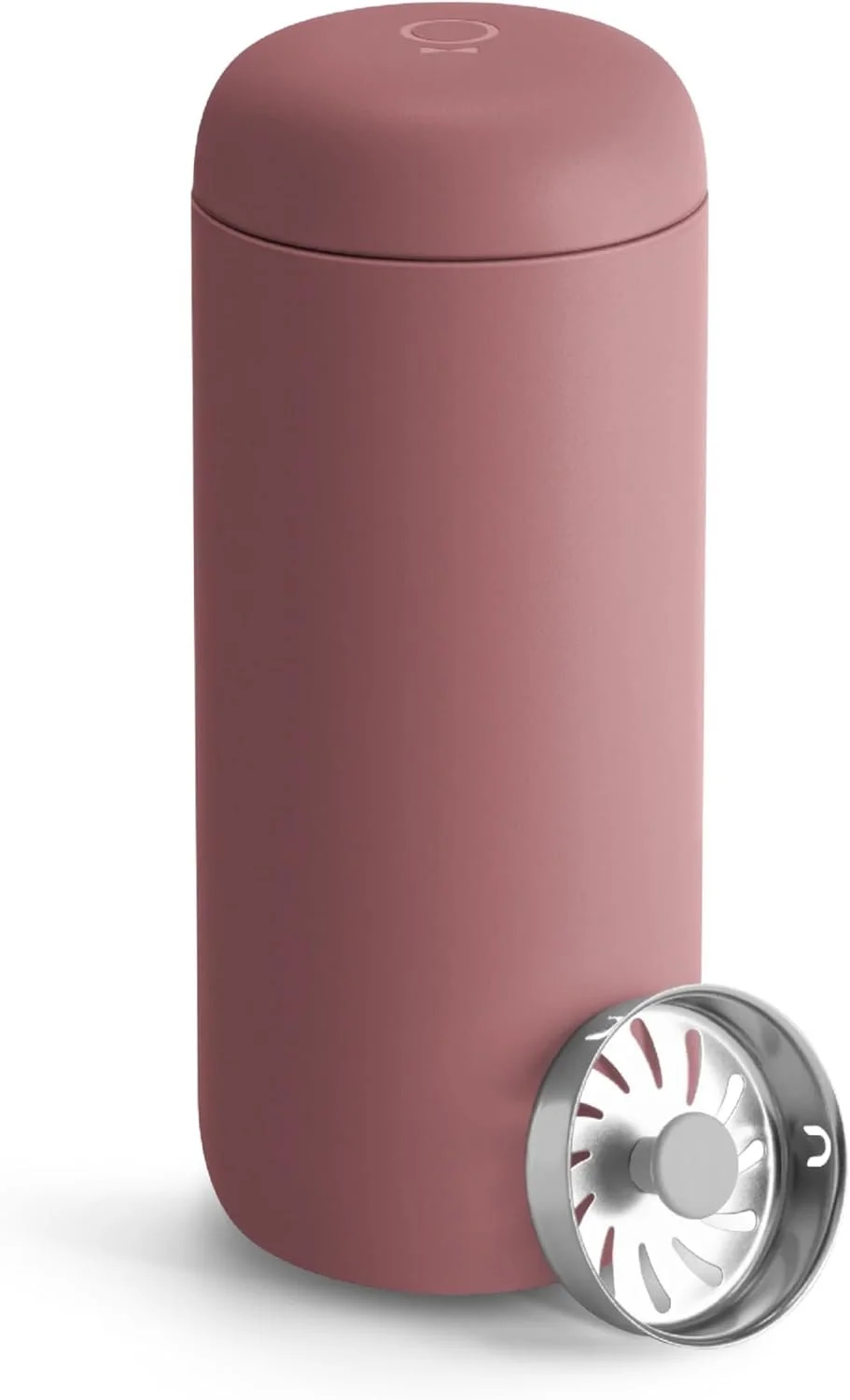
Fellow
Fellow Carter Move Travel Mug
Not leakproof enough for a backpack pocket but has a slash guard so you don’t slosh your iced coffee all over your shirt
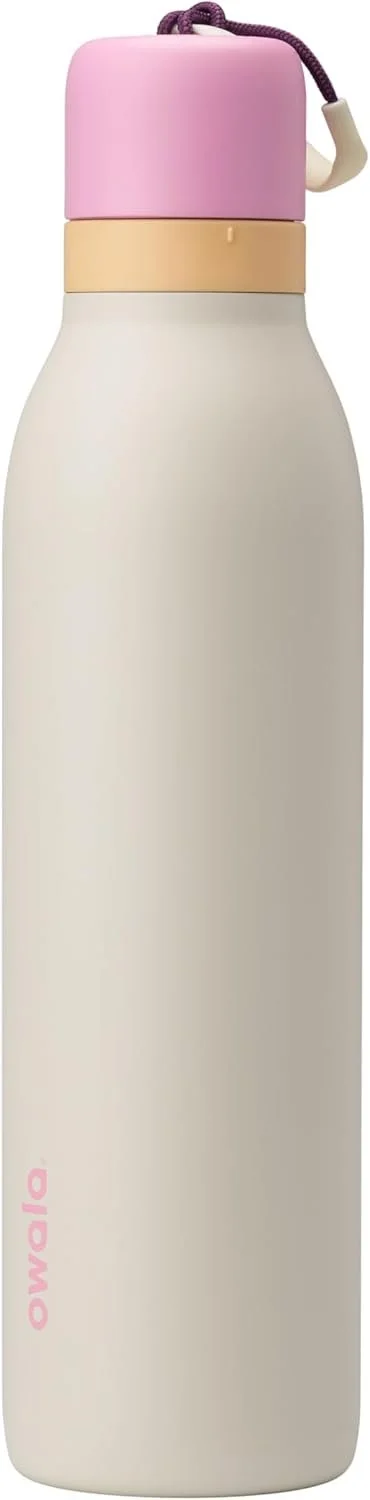
Owala
Owala Free Sip Stainless Steel Water Bottle
Has a built in straw and still fits in the side pocket of your backpack for easy traveling.
Stanley Quencher
A classic for a reason. Some colors are on sale right now, too.

Stanley