Mineral vs Chemical Sunscreen: Which is Safer + What Actually Works
Why do so many dermatologists recommend mineral sunscreen? The short answer is mineral sunscreens are the only ones the FDA has recognized as safe. While still offering sun protection, chemical sunscreens are absorbed into our blood at high levels, with no proof those levels are safe for long term usage.
UVA vs UVB: What You Need to Know
To understand why the mineral vs chemical sunscreen debate matters, it helps to know what we're actually protecting against. We're concerned with two types of UV rays — UVA and UVB — and they don't behave the same way.
UVB
Generally speaking UVB is the shorter wavelength that causes sunburn. SPF ratings relate to UVB exposure. While both UVB and UVA contribute to cancer, UVB is linked to around 90% of non-melanoma skin cancer. It's also the wavelength that initiates vitamin D synthesis, so the goal isn't zero UVB exposure.
UVA
While UVA rays won't cause sunburn, they're the primary driver behind aging. They penetrate the skin more deeply and cause long term skin damage.
They penetrate clouds as well as auto glass and the windows in your home — which is why you've heard people say to wear sunscreen even on cloudy days. UVA rays are the reason behind that advice.
UVA rays are also constant year-round, even in the winter, while UVB rays are mostly a concern from late spring to early fall.
Both types of UV rays cause damage and we wear sunscreen to prevent both — the cancerous UVB exposure and the aging UVA exposure. And the type of sunscreen you choose affects how well you're actually protected.
What Does SPF Actually Mean?
SPF (Sun Protection Factor) measures how well a sunscreen protects against UVB rays by indicating the theoretical multiplier of time it takes for skin to redden compared to not wearing any protection. If your skin begins to burn in 10 minutes without protection, SPF 30 theoretically allows you to stay in the sun 30 times longer — 300 minutes — without burning.
No sunscreen blocks 100% of UV rays. SPF only measures protection against UVB rays, not UVA rays. To protect against UVA, always choose broad-spectrum sunscreen — meaning it protects against both UVA and UVB rays.
What Is the Difference Between Mineral and Chemical Sunscreen?
Sunscreens are a hotly debated topic, with everyone having a strong personal preference and a general willingness to switch. I have a friend that still only uses Hawaiian Tropic SPF 5 despite eating organic and avoiding sugar. We like what we like.
However, there's a ton of research supporting the safety and effectiveness of mineral sunscreen over chemical sunscreens. If you haven't already made the switch, it's probably time to reconsider.
If you're not already wearing sunscreen at all, please consider starting. Studies show consistent use reduces skin cancer incidents and significantly slows signs of aging. The goal is protection — we're just here to help you choose the better version of it.
Is Mineral Sunscreen Safer?
You've probably heard that mineral sunscreens provide a physical reflective barrier. That framing is a little outdated. Both chemical and mineral sunscreens are absorbed into the skin, but mineral sunscreens scatter UV rays while chemical sunscreens absorb them and convert them to heat.
There are two primary mineral sunscreen ingredients today — zinc oxide and titanium dioxide. Zinc is famous for the white cast it can leave. Companies are experimenting with nanoparticle mineral sunscreens to reduce the white cast. The FDA notes those nanoparticles are not known to cause harm, but it is still a new technology without a long track record.
A few things to look for on the label: at least 15% zinc oxide for full coverage, and no additional active ingredients — if there are any, it's likely a "hybrid" sunscreen and should be treated as a chemical sunscreen.
Are Chemical Sunscreens Harmful? (US vs EU Regulations)
The primary concern with chemical sunscreen isn't the UV protection — it's the chemicals used and how deeply our bodies absorb them. Unlike mineral sunscreen, chemical sunscreen is absorbed into the bloodstream.
TheFDA classified 12 chemical sunscreens (including oxybenzone, avobenzone, homosalate, and octocrylene) as "not generally recognized as safe due to insufficient data." That's not a finding that they're unsafe — it's a finding that we don't have enough data to say they are. What we do know is that these chemicals are absorbed into the blood at levels that exceed the FDA's recommended allowance.
In aFDA Maximum Usage Trial, all 6 tested chemical UV filters exceeded the FDA bloodstream safety threshold after just normal application. Two of the most common — oxybenzone and homosalate — were still above threshold 21 days after application stopped.
It's important to note: it's not chemical sunscreen as a category that's the problem. It's specifically the chemical ingredients available in the US. Which brings us to why that is.
Why Europe Has Better Sunscreen Options
The US is actually behind much of the world when it comes to sunscreen options, and it comes down to how the FDA classifies the product. In the US, sunscreen is considered an over-the-counter drug, which means new ingredient approvals are slow and very expensive.
In the EU and Korea, these products are classified as cosmetics — which doesn't mean they're less tested, it means the regulatory pathway is faster and the standards are, in many cases, stricter and more comprehensive than ours. Newer ingredients like Tinosorb, Mexoryl, and Uvinul are widely available abroad but haven't been approved here.
To put that in perspective: the last chemical sunscreen ingredient approved in the US was avobenzone — in 1996. Avobenzone is now being phased out in some regions because it's toxic to marine life and wreaks havoc on coral ecosystems.
These same chemicals are also showing up in tap water, because municipal filtration systems aren't designed to filter them out. Ditch the chemicals in your sunscreen — and then consider upgrading your tap water, too.
Best Mineral Sunscreens (What I Use)
Making the switch doesn't have to be complicated. These are the ones I've actually used and kept in my rotation.
Prequel SPF 50 Mineral Sunscreen — Affordable and my go-to on days when I'm outside for long periods of time.
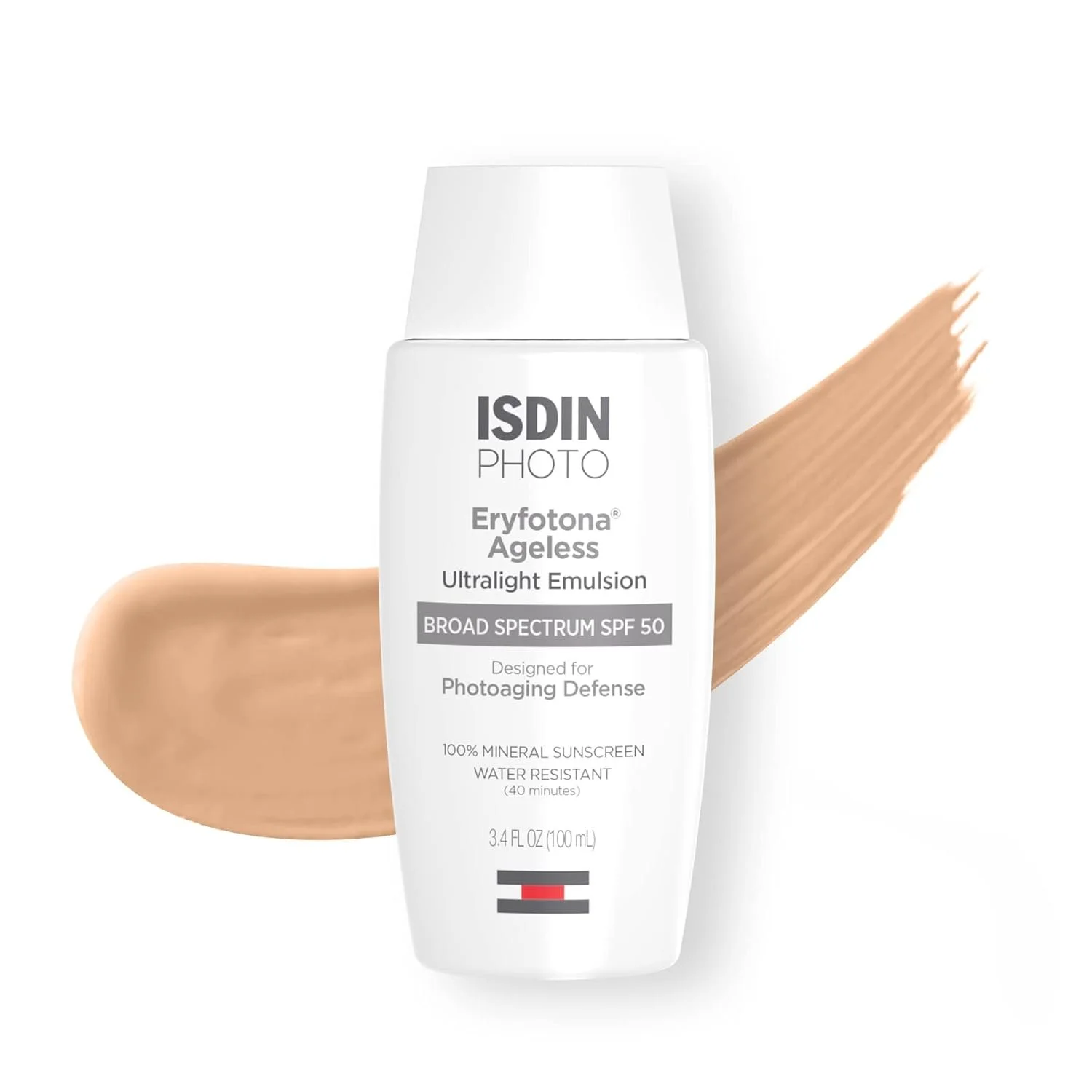
ISDIN Tinted Mineral Sunscreen — The tinted base helps minimize the white cast for me.
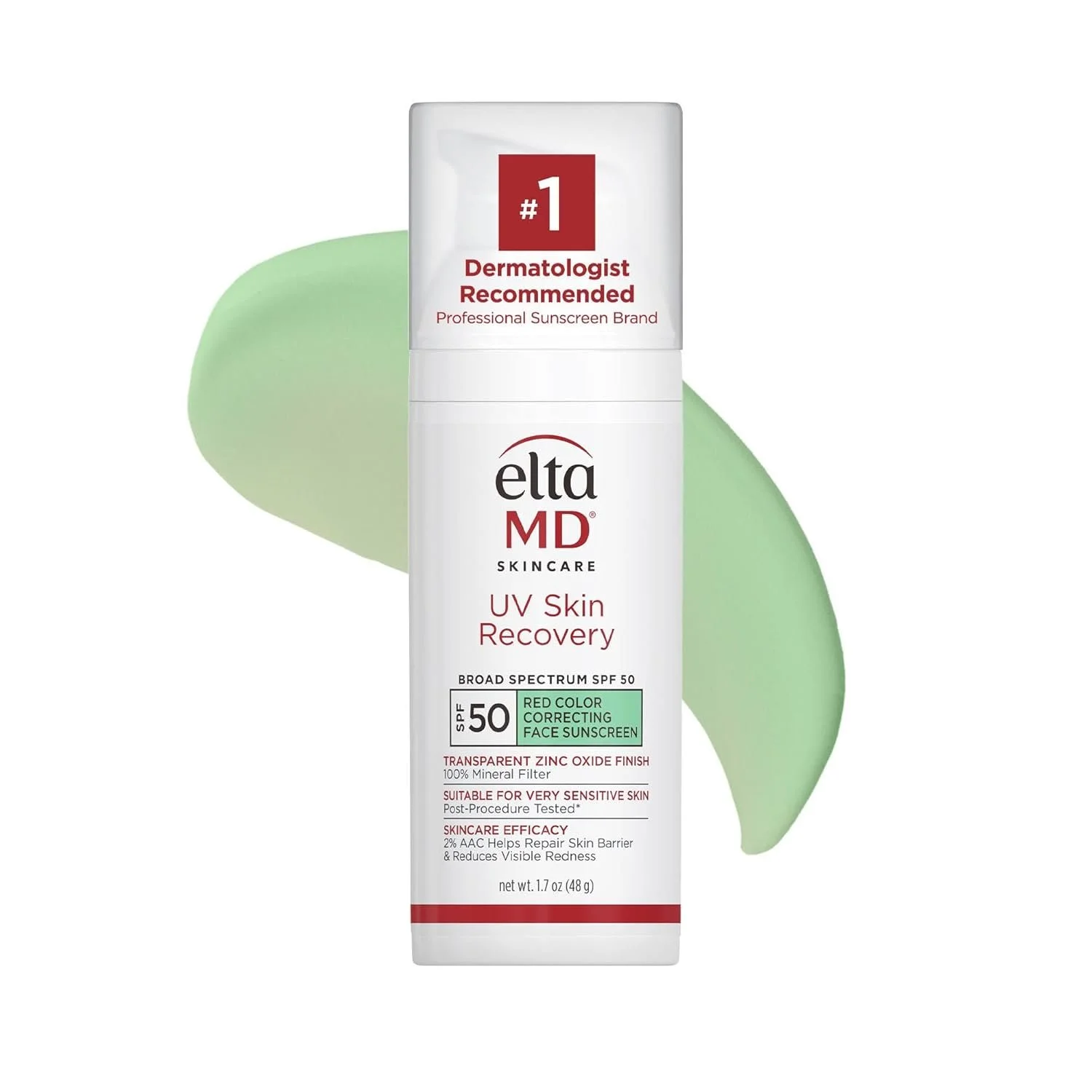
EltaMD UV Skin Recovery Sunscreen— The green tint reduces the appearance of redness for a balanced complexion.
Hemlock Sun Hat — I love to work in my garden and I'm shameless about wearing a giant hat to get that extra sun protection while I do it.
I'm not here to tell you that your current sunscreen is going to hurt you — the research isn't there yet for that kind of certainty. What I do know is that better options exist, they work just as well, and the switch is genuinely easy. If you're already reading ingredient labels on your food, it's worth spending two minutes on your SPF too.
Affiliate disclosure: this post contains a few affiliate links. They're at no cost to you and based entirely on products I actually use on a daily basis.
