The 12 Foods You Should Always Buy Organic (And the 15 Where It’s a Waste of Money)
I don’t buy 100% organic. I’m not advocating for a no-tox lifestyle. I find it overwhelming and mostly based in fear mongering.
The world we live in is full of plastics, and pesticides, and new chemicals are created daily. But I’ve had a dog diagnosed with cancer at just 4 years old and it's a cancer that seems tied to chemical exposure.
If it's easy to make a swap to reduce the chemicals in my household I do it. I’d rather be safe than sorry, and I believe every little bit adds up.
What Is the EWG Dirty Dozen List? (And Why It Matters for Your Family)
Have you heard people reference the “Dirty Dozen”? It’s a list published every year by the Environmental Working Group, a nonprofit health and environment advocacy group. They first started publishing The Shopper’s Guide to Pesticides in Produce in 2004, and this year has had some of the biggest shake ups.
They reviewed USDA data on almost 55,000 samples of 47 different fruits and vegetables. Samples are scrubbed, peeled, and washed and then tested. You might think you can wash off the chemical residues, but you’ll need a little more than a quick rinse under the faucet.
Critics argue that the detectable levels of pesticides fall within the legal limits, however most of the chemicals are banned in the EU. As with most things these days we have to look for a compromise. Limit exposure where it’s easy and reasonable to do so, but understand that there is nuance in the discussion.
While the EWG faces criticism for being overly cautious it’s worth noting that their methods are peer reviewed, and they are using data from the USDA, not performing these tests themselves.
The 2025/2026 Dirty Dozen List: 12 Fruits and Vegetables with the Most Pesticides
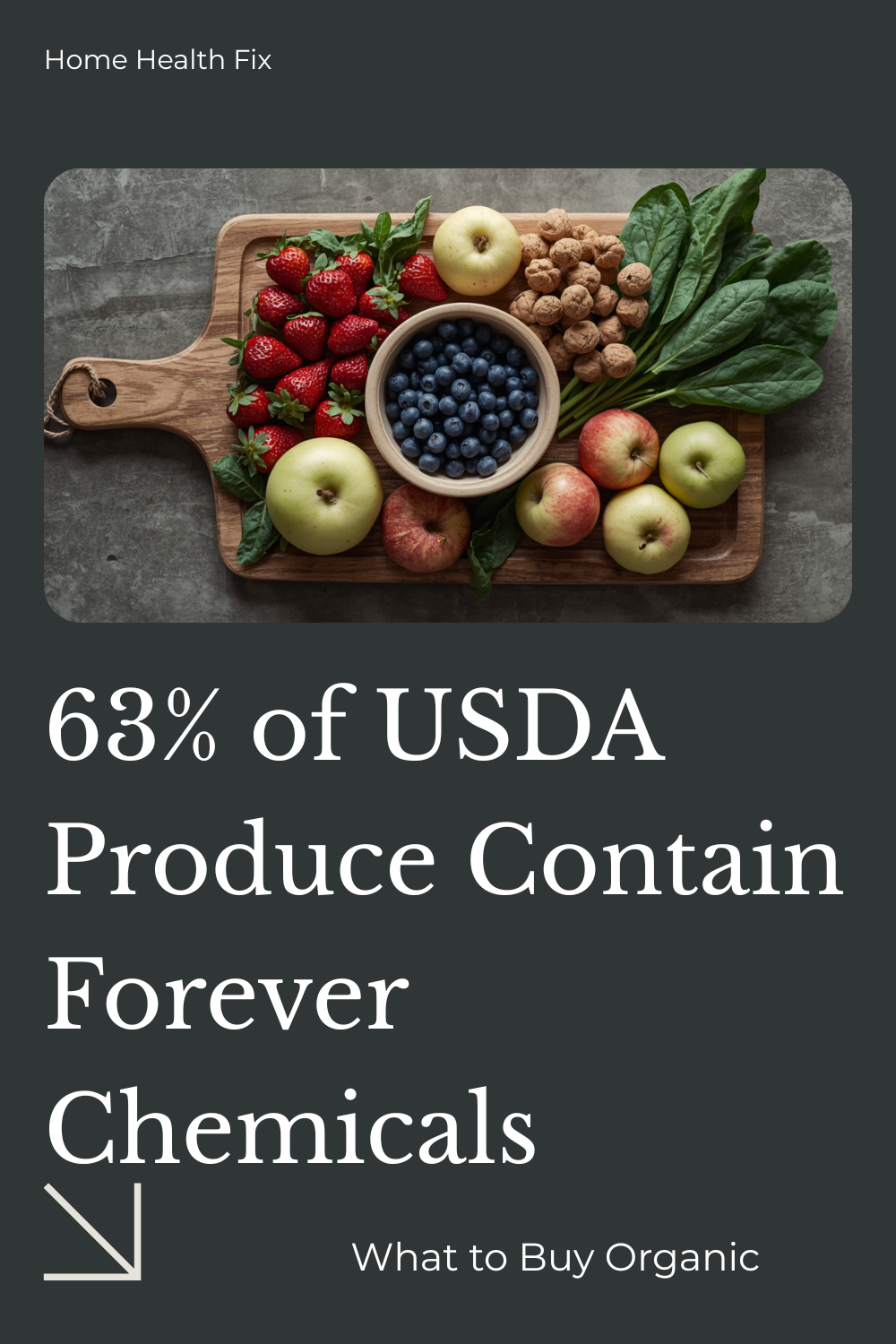
Of the 47 foods tested, these 12 were the most contaminated with pesticides. For the first time the list also included foods contaminated with PFAS or “Forever Chemicals”, hormone disrupting chemicals that cause developmental issues.
Spinach — the most contaminated produce
Kale, collards, and mustard greens — over half the samples contained a pesticide that’s been banned in the EU for 15 years
Strawberries — even the USDA found that almost all samples – 99 percent – had detectable residues of at least one pesticide
Grapes
Nectarines — thin skins easily allow pesticides to penetrate the fruit
Peaches
Cherries
Apples
Blackberries — USDA tests showed that over 78% of the samples tested contained two or more pesticides
Pears
Potatoes — the most consumed vegetable in America
Blueberries
The average American consumes around 50 pounds of potatoes, 8 pounds of strawberries, and 17 pounds of apples per year. It’s important to consider the cumulative dose of pesticides across all forms.
This year we also got data on PFAS found in these tests. A whopping 63% of samples tested contained PFAS, or forever chemicals. It’s increasingly important to reduce our exposure when possible, because we’re inundated with microplastics and the PFAS they leach, more than ever before.
Dirty Dozen vs. Clean Fifteen: Which Produce Actually Needs to Be Organic?
Most of us don’t have an infinite grocery budget and with food costs rising, the “Clean Fifteen” offer some relief. Nearly 60% has no detectable pesticide residue, meaning these are the fruit and veggies where you can buy conventional with little risk.
Ever wonder if you need to buy organic avocados? The answer is no. Here’s the list of the cleanest 15 fruits and vegetables.
Pineapple
Corn
Avocados
Papaya
Onions
Sweet peas (canned and frozen)
Asparagus
Cabbage
Cauliflower
Watermelon
Mangos
Bananas
Carrots
Mushrooms
Kiwi
These are the foods that have the fewest pesticides and a great spot to stretch a dollar. Not seeing a food on either list? Lots of tested items fall somewhere in between, these foods are less clear cut. If you eat something often (more exposure) and it’s not on the clean list it might be a good idea to buy organic. If it’s something you eat infrequently, you’re probably safe getting the conventional version.
Is Organic Worth It? The Science Behind Pesticide Residues on Produce
Is organic worth it? It depends — Dirty Dozen yes, Clean Fifteen maybe not unless you have an unlimited budget.
First and foremost, eating a diet high in fruit and vegetables is the most important factor for health. We’re not trying to discourage eating produce.
If you’re able, going organic for just the Dirty Dozen will create meaningful health improvements. Studies show switching from conventional to organic produce significant reductions in pesticide levels in urine tests — including a 70% reduction in glyphosate.
Does Washing Produce Remove Pesticides?
While it can remove some of the pesticide residue, washing does not remove 100%. Remember the EWG washes and peels produce before testing. One study found that washing fruit with detergent was actually less effective than washing under running water.
The most effective washing method appears to be soaking in baking soda for at least 15 minutes, but remember this still doesn’t solve for pesticides that have passed through the skin into the fruit or vegetable.
How to Shop the Dirty Dozen on a Budget (Without Overpaying for Organic)
If you can only change a small thing, start with the most commonly eaten foods in your house — strawberries, blueberries, and potatoes top the list for most of us.
Farmers markets offer produce that while not USDA certified organic may be pesticide free, just ask as you’re shopping.
Shopping peak season also usually results in discounts. A greater supply usually means lower prices.
Finally stock up on frozen fruit and veggies. Frozen foods are generally more economical and offer the same nutritional benefits.
Want to Remove Even More Toxins from Your Home?
Cleaning up your produce is a great first step — but pesticides are just one piece of the puzzle. Phthalates are hormone-disrupting chemicals hiding in everything from plastic food containers to personal care products, and most of us are exposed daily without realizing it. Download our free Phthalate-Free Home Guide to find out where they’re lurking and the simple swaps that actually make a difference.
