
The 12 Foods You Should Always Buy Organic (And the 15 Where It’s a Waste of Money)
I don’t buy 100% organic. I’m not advocating for a no-tox lifestyle. I find it overwhelming and mostly based in fear mongering.
The world we live in is full of plastics, and pesticides, and new chemicals are created daily. But I’ve had a dog diagnosed with cancer at just 4 years old and it's a cancer that seems tied to chemical exposure.
If it's easy to make a swap to reduce the chemicals in my household I do it. I’d rather be safe than sorry, and I believe every little bit adds up.
What Is the EWG Dirty Dozen List? (And Why It Matters for Your Family)
Have you heard people reference the “Dirty Dozen”? It’s a list published every year by the Environmental Working Group, a nonprofit health and environment advocacy group. They first started publishing The Shopper’s Guide to Pesticides in Produce in 2004, and this year has had some of the biggest shake ups.
They reviewed USDA data on almost 55,000 samples of 47 different fruits and vegetables. Samples are scrubbed, peeled, and washed and then tested. You might think you can wash off the chemical residues, but you’ll need a little more than a quick rinse under the faucet.
Critics argue that the detectable levels of pesticides fall within the legal limits, however most of the chemicals are banned in the EU. As with most things these days we have to look for a compromise. Limit exposure where it’s easy and reasonable to do so, but understand that there is nuance in the discussion.
While the EWG faces criticism for being overly cautious it’s worth noting that their methods are peer reviewed, and they are using data from the USDA, not performing these tests themselves.
The 2025/2026 Dirty Dozen List: 12 Fruits and Vegetables with the Most Pesticides
Of the 47 foods tested, these 12 were the most contaminated with pesticides. For the first time the list also included foods contaminated with PFAS or “Forever Chemicals”, hormone disrupting chemicals that cause developmental issues.
Spinach — the most contaminated produce
Kale, collards, and mustard greens — over half the samples contained a pesticide that’s been banned in the EU for 15 years
Strawberries — even the USDA found that almost all samples – 99 percent – had detectable residues of at least one pesticide
Grapes
Nectarines — thin skins easily allow pesticides to penetrate the fruit
Peaches
Cherries
Apples
Blackberries — USDA tests showed that over 78% of the samples tested contained two or more pesticides
Pears
Potatoes — the most consumed vegetable in America
Blueberries
The average American consumes around 50 pounds of potatoes, 8 pounds of strawberries, and 17 pounds of apples per year. It’s important to consider the cumulative dose of pesticides across all forms.
This year we also got data on PFAS found in these tests. A whopping 63% of samples tested contained PFAS, or forever chemicals. It’s increasingly important to reduce our exposure when possible, because we’re inundated with microplastics and the PFAS they leach, more than ever before.
Dirty Dozen vs. Clean Fifteen: Which Produce Actually Needs to Be Organic?
Most of us don’t have an infinite grocery budget and with food costs rising, the “Clean Fifteen” offer some relief. Nearly 60% has no detectable pesticide residue, meaning these are the fruit and veggies where you can buy conventional with little risk.
Ever wonder if you need to buy organic avocados? The answer is no. Here’s the list of the cleanest 15 fruits and vegetables.
Pineapple
Corn
Avocados
Papaya
Onions
Sweet peas (canned and frozen)
Asparagus
Cabbage
Cauliflower
Watermelon
Mangos
Bananas
Carrots
Mushrooms
Kiwi
These are the foods that have the fewest pesticides and a great spot to stretch a dollar. Not seeing a food on either list? Lots of tested items fall somewhere in between, these foods are less clear cut. If you eat something often (more exposure) and it’s not on the clean list it might be a good idea to buy organic. If it’s something you eat infrequently, you’re probably safe getting the conventional version.
Is Organic Worth It? The Science Behind Pesticide Residues on Produce
Is organic worth it? It depends — Dirty Dozen yes, Clean Fifteen maybe not unless you have an unlimited budget.
First and foremost, eating a diet high in fruit and vegetables is the most important factor for health. We’re not trying to discourage eating produce.
If you’re able, going organic for just the Dirty Dozen will create meaningful health improvements. Studies show switching from conventional to organic produce significant reductions in pesticide levels in urine tests — including a 70% reduction in glyphosate.
Does Washing Produce Remove Pesticides?
While it can remove some of the pesticide residue, washing does not remove 100%. Remember the EWG washes and peels produce before testing. One study found that washing fruit with detergent was actually less effective than washing under running water.
The most effective washing method appears to be soaking in baking soda for at least 15 minutes, but remember this still doesn’t solve for pesticides that have passed through the skin into the fruit or vegetable.
How to Shop the Dirty Dozen on a Budget (Without Overpaying for Organic)
If you can only change a small thing, start with the most commonly eaten foods in your house — strawberries, blueberries, and potatoes top the list for most of us.
Farmers markets offer produce that while not USDA certified organic may be pesticide free, just ask as you’re shopping.
Shopping peak season also usually results in discounts. A greater supply usually means lower prices.
Finally stock up on frozen fruit and veggies. Frozen foods are generally more economical and offer the same nutritional benefits.
Want to Remove Even More Toxins from Your Home?
Cleaning up your produce is a great first step — but pesticides are just one piece of the puzzle. Phthalates are hormone-disrupting chemicals hiding in everything from plastic food containers to personal care products, and most of us are exposed daily without realizing it. Download our free Phthalate-Free Home Guide to find out where they’re lurking and the simple swaps that actually make a difference.
Mineral vs Chemical Sunscreen: Which is Safer + What Actually Works
Why do so many dermatologists recommend mineral sunscreen? The short answer is mineral sunscreens are the only ones the FDA has recognized as safe. While still offering sun protection, chemical sunscreens are absorbed into our blood at high levels, with no proof those levels are safe for long term usage.
Why do so many dermatologists recommend mineral sunscreen? The short answer is mineral sunscreens are the only ones the FDA has recognized as safe. While still offering sun protection, chemical sunscreens are absorbed into our blood at high levels, with no proof those levels are safe for long term usage.
UVA vs UVB: What You Need to Know
To understand why the mineral vs chemical sunscreen debate matters, it helps to know what we're actually protecting against. We're concerned with two types of UV rays — UVA and UVB — and they don't behave the same way.
UVB
Generally speaking UVB is the shorter wavelength that causes sunburn. SPF ratings relate to UVB exposure. While both UVB and UVA contribute to cancer, UVB is linked to around 90% of non-melanoma skin cancer. It's also the wavelength that initiates vitamin D synthesis, so the goal isn't zero UVB exposure.
UVA
While UVA rays won't cause sunburn, they're the primary driver behind aging. They penetrate the skin more deeply and cause long term skin damage.
They penetrate clouds as well as auto glass and the windows in your home — which is why you've heard people say to wear sunscreen even on cloudy days. UVA rays are the reason behind that advice.
UVA rays are also constant year-round, even in the winter, while UVB rays are mostly a concern from late spring to early fall.
Both types of UV rays cause damage and we wear sunscreen to prevent both — the cancerous UVB exposure and the aging UVA exposure. And the type of sunscreen you choose affects how well you're actually protected.
What Does SPF Actually Mean?
SPF (Sun Protection Factor) measures how well a sunscreen protects against UVB rays by indicating the theoretical multiplier of time it takes for skin to redden compared to not wearing any protection. If your skin begins to burn in 10 minutes without protection, SPF 30 theoretically allows you to stay in the sun 30 times longer — 300 minutes — without burning.
No sunscreen blocks 100% of UV rays. SPF only measures protection against UVB rays, not UVA rays. To protect against UVA, always choose broad-spectrum sunscreen — meaning it protects against both UVA and UVB rays.
What Is the Difference Between Mineral and Chemical Sunscreen?
Sunscreens are a hotly debated topic, with everyone having a strong personal preference and a general willingness to switch. I have a friend that still only uses Hawaiian Tropic SPF 5 despite eating organic and avoiding sugar. We like what we like.
However, there's a ton of research supporting the safety and effectiveness of mineral sunscreen over chemical sunscreens. If you haven't already made the switch, it's probably time to reconsider.
If you're not already wearing sunscreen at all, please consider starting. Studies show consistent use reduces skin cancer incidents and significantly slows signs of aging. The goal is protection — we're just here to help you choose the better version of it.
Is Mineral Sunscreen Safer?
You've probably heard that mineral sunscreens provide a physical reflective barrier. That framing is a little outdated. Both chemical and mineral sunscreens are absorbed into the skin, but mineral sunscreens scatter UV rays while chemical sunscreens absorb them and convert them to heat.
There are two primary mineral sunscreen ingredients today — zinc oxide and titanium dioxide. Zinc is famous for the white cast it can leave. Companies are experimenting with nanoparticle mineral sunscreens to reduce the white cast. The FDA notes those nanoparticles are not known to cause harm, but it is still a new technology without a long track record.
A few things to look for on the label: at least 15% zinc oxide for full coverage, and no additional active ingredients — if there are any, it's likely a "hybrid" sunscreen and should be treated as a chemical sunscreen.
Are Chemical Sunscreens Harmful? (US vs EU Regulations)
The primary concern with chemical sunscreen isn't the UV protection — it's the chemicals used and how deeply our bodies absorb them. Unlike mineral sunscreen, chemical sunscreen is absorbed into the bloodstream.
TheFDA classified 12 chemical sunscreens (including oxybenzone, avobenzone, homosalate, and octocrylene) as "not generally recognized as safe due to insufficient data." That's not a finding that they're unsafe — it's a finding that we don't have enough data to say they are. What we do know is that these chemicals are absorbed into the blood at levels that exceed the FDA's recommended allowance.
In aFDA Maximum Usage Trial, all 6 tested chemical UV filters exceeded the FDA bloodstream safety threshold after just normal application. Two of the most common — oxybenzone and homosalate — were still above threshold 21 days after application stopped.
It's important to note: it's not chemical sunscreen as a category that's the problem. It's specifically the chemical ingredients available in the US. Which brings us to why that is.
Why Europe Has Better Sunscreen Options
The US is actually behind much of the world when it comes to sunscreen options, and it comes down to how the FDA classifies the product. In the US, sunscreen is considered an over-the-counter drug, which means new ingredient approvals are slow and very expensive.
In the EU and Korea, these products are classified as cosmetics — which doesn't mean they're less tested, it means the regulatory pathway is faster and the standards are, in many cases, stricter and more comprehensive than ours. Newer ingredients like Tinosorb, Mexoryl, and Uvinul are widely available abroad but haven't been approved here.
To put that in perspective: the last chemical sunscreen ingredient approved in the US was avobenzone — in 1996. Avobenzone is now being phased out in some regions because it's toxic to marine life and wreaks havoc on coral ecosystems.
These same chemicals are also showing up in tap water, because municipal filtration systems aren't designed to filter them out. Ditch the chemicals in your sunscreen — and then consider upgrading your tap water, too.
Best Mineral Sunscreens (What I Use)
Making the switch doesn't have to be complicated. These are the ones I've actually used and kept in my rotation.
Prequel SPF 50 Mineral Sunscreen — Affordable and my go-to on days when I'm outside for long periods of time.
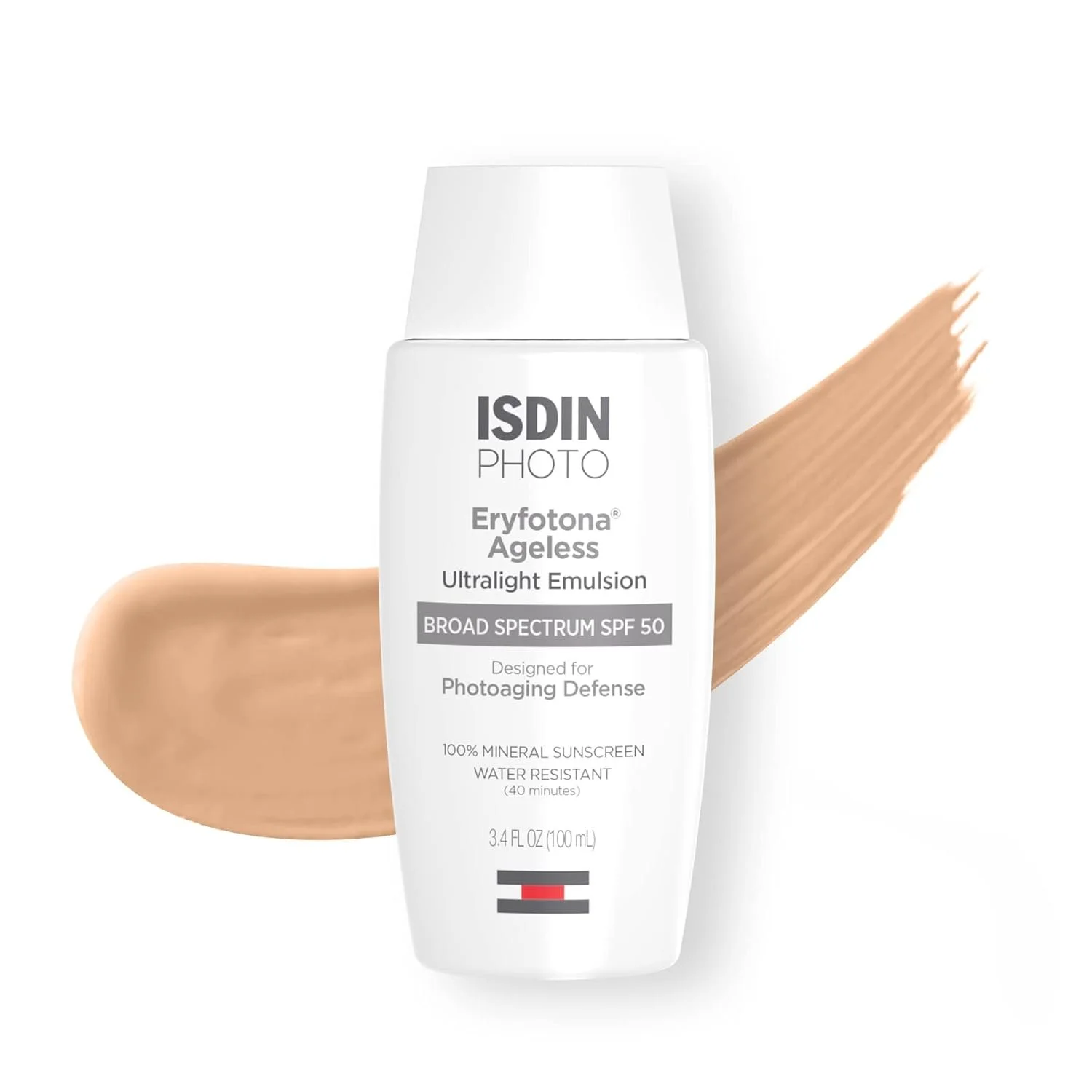
ISDIN Tinted Mineral Sunscreen — The tinted base helps minimize the white cast for me.
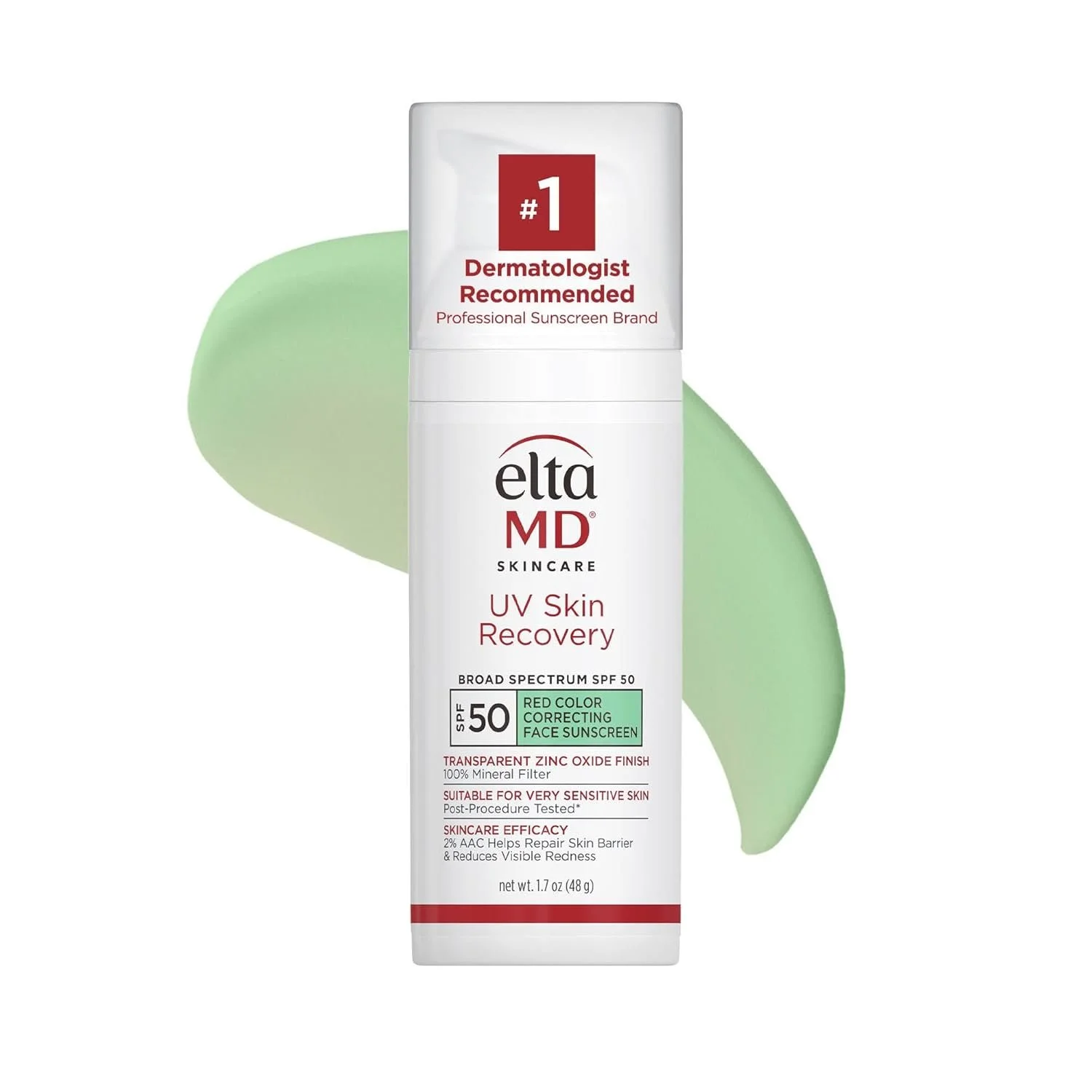
EltaMD UV Skin Recovery Sunscreen— The green tint reduces the appearance of redness for a balanced complexion.
Hemlock Sun Hat — I love to work in my garden and I'm shameless about wearing a giant hat to get that extra sun protection while I do it.
I'm not here to tell you that your current sunscreen is going to hurt you — the research isn't there yet for that kind of certainty. What I do know is that better options exist, they work just as well, and the switch is genuinely easy. If you're already reading ingredient labels on your food, it's worth spending two minutes on your SPF too.
Affiliate disclosure: this post contains a few affiliate links. They're at no cost to you and based entirely on products I actually use on a daily basis.
Natural Mosquito Control: How to Get Rid of Mosquitoes Without Sprays
It’s springtime in the US. As our yards and flowers are waking up, so are the spring and summer pests. I’ve already started noticing mosquitos hovering around some of my gutter downspouts. Before you call your local Mosquito Bro consider some alternatives.
Do Mosquito Sprays Actually Work? (Spoiler, They Don’t)
Traditional mosquito treatment uses a chemical called pyrethroids. It’s a synthetic version of pyrethrin, a derivative of chrysanthemums. Sounds natural and plant based, right? Unfortunately it’s not that simple. These chemicals are broad nerve agents, impacting the insect’s nervous system.
We’re finding more and more mosquito populations are becoming resistant to this chemical, decreasing its effectiveness. In fact, the CDC has stated that removing standing water and preventing larva is the only long term effective solution, while adding that spraying for adults is the least effective solution.
How Pesticides Affect Your Yard and Wildlife
The sprays that may (or may not) reduce mosquitoes also reduce all the beneficial insects in our gardens. Insect abundance has declined more than 75% over the last 30 years with pesticides being a major contributor. While it might sound nice in theory, most of the loss is beneficial insects that compete with mosquitoes. Residue from pesticides can travel up to 100m, approximately a football field, and poison caterpillars, butterflies, bees, and fireflies.
The CDC warns these pesticides are toxic to fish, birds, and small wildlife. As the birds, frogs, and fish eat the sprayed mosquitos they become sickened as well. The drift from these chemicals can be far reaching and detrimental to the local wildlife.
Are Mosquito Treatments Safe for Kids and Pets?What Are the Impacts to Your Family?
The trouble doesn’t stop at your door either. While pesticide companies claim safety, growing research suggests otherwise. An Environmental Health study found that young boys with detectable levels of mosquito treatment chemical pyrethroid are three times more likely to have ADHD. The same studies also found children under 5 exposed to pesticides were more than twice as likely to develop asthma.
Our pets spend even more time in the chemically treated grass. They’re 70% more likely to develop cancerous lymphomas if they live in a household that treats with conventional pesticides and herbicides.
In fact these pesticides contribute to tap water pollution, with US tap water testing positive for over 100 pesticides. It’s a small step but ditching conventional mosquito chemicals is a step in the right direction. One with compounding impacts for your health.
Natural Ways to Get Rid of Mosquitoes That Actually Work
Natural prevention is the most effective way to reduce mosquito populations so you can actually get out and enjoy your backyard. Plus the clean space and native flowers will encourage you to spend even more time out there. Hello vitamin D!
Reducing standing water is the first and most important step. This is the most impactful thing you can do. Adult mosquitos lay their eggs in still or standing water. Those eggs hatch into larvae and eventually grow up to be adults, starting the process all over again. We want to interrupt the cycle and prevent those babies from becoming egg laying adults. Certain mosquito eggs can survive multiple wet/dry cycles, so unfortunately you have to be diligent about removing standing water and its sources.
After we decrease their opportunities to lay eggs we want to plant flowers that deter them. While research suggests these plants mostly deter mosquitos when crushed, they’ll still attract beneficial pollinators. They also build a more bird and bat friendly ecosystem. Another important line of defense against mosquitos.
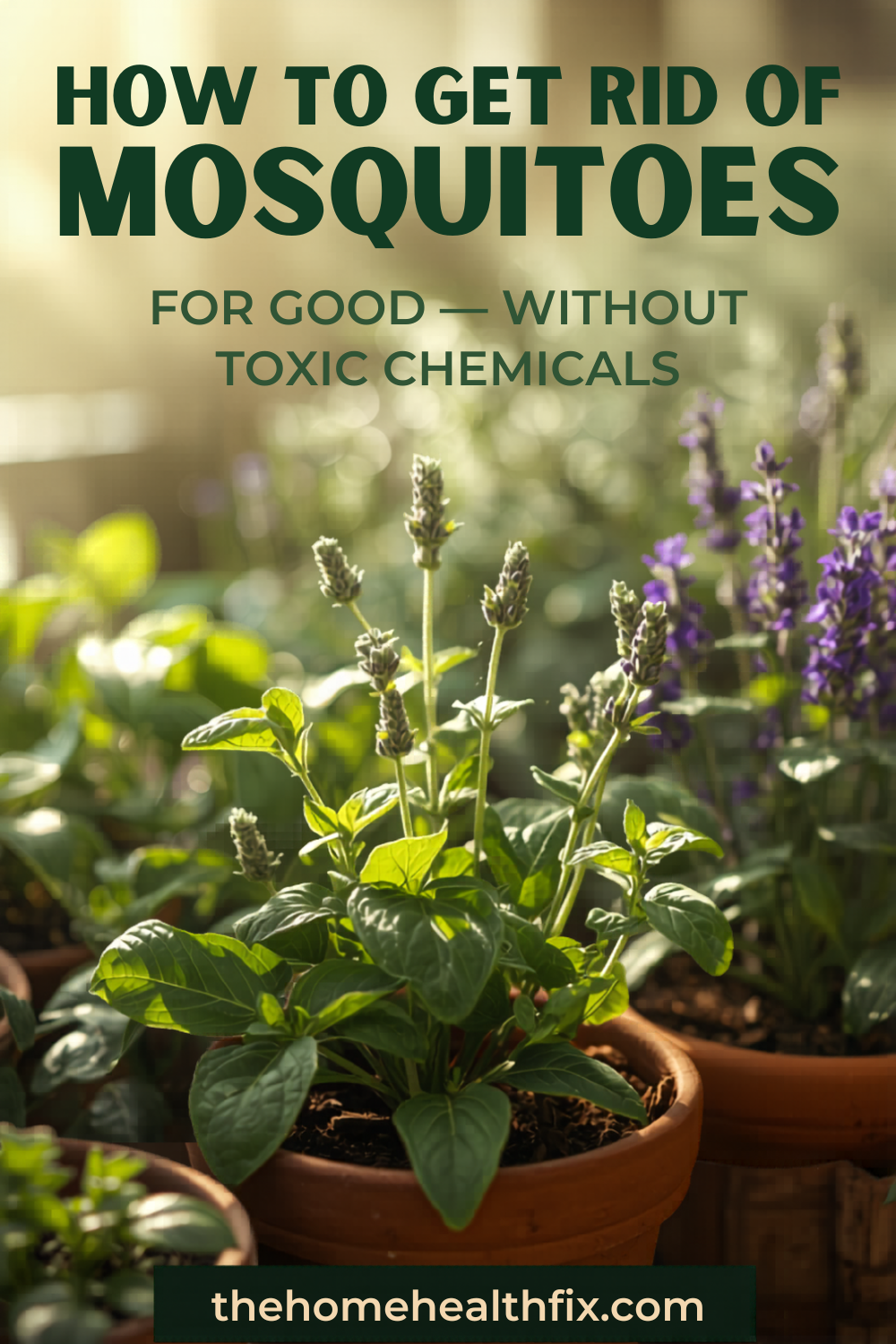
A list of my favorite anti-mosquito plants include:
Lavender
Basil (my personal favorite)
Lemon balm
Citronella grass
Marigolds
Rosemary
Mint
Catnip
Alliums (I love how whimsical these look)
Sage
I just planted two small container herb gardens and this is an easy way to add a bunch of these plants to your yard, and a few to your plate as well.
DIY Mosquito Audit (Find What’s Attracting Them)
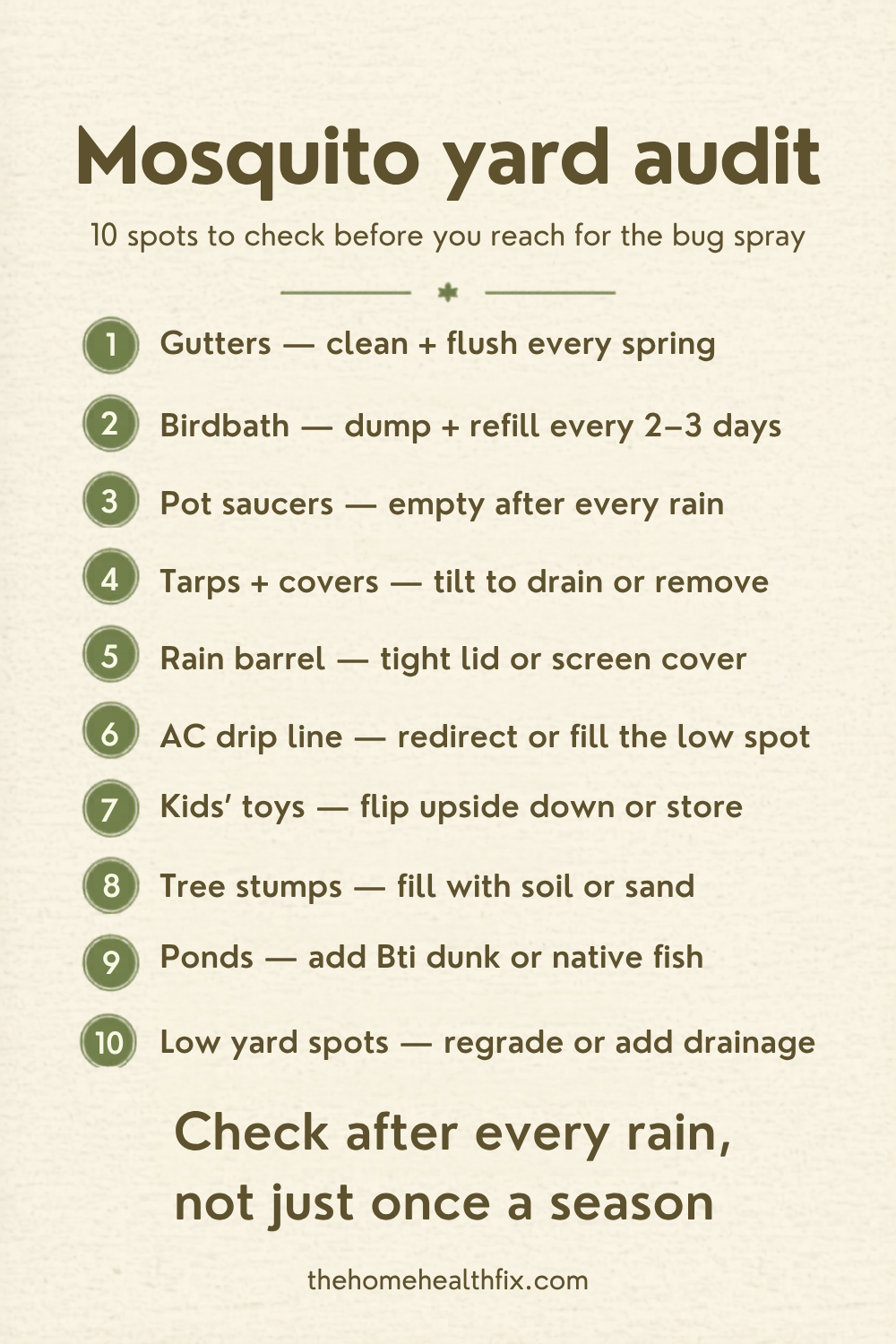
Take a few minutes this weekend and run through this quick checklist to look for sources of standing water in your backyard.
Non-Toxic Mosquito Repellent Alternatives
You’ve removed standing water and added beneficial plants — still looking for more? The next level of non-toxic mosquito prevention layers in traps and more chemical-free repellents.
Creating mosquito bait stations with buckets, some grass clippings and Mosquito Dunks, lure adults into the bucket to lay their eggs. However once the eggs are laid, beneficial bacteria in the Mosquito Dunks kill the larvae. Deadly to baby mosquitos but safe in stock ponds, animal watering troughs, and bird baths. You just don’t want anyone to eat a whole one so cover the bucket with wire or a plant cover.
Another step in our multi-step approach to reducing mosquitos is cedar mulch or chips. Research shows cedar oil can deter mosquitos by disrupting the sense of smell (how they locate humans) and disorienting them. You can buy cedar oil spray, but be cautious of spraying during the day as you might impact pollinators.
Research suggests cedar shavings, mulch and oil also deter ants, ticks, spiders, silverfish, and cockroaches. Making it effective against more than just mosquitos.
Kid-Friendly Backyard Ideas That Reduce Mosquitoes
Making your backyard a mosquito-free zone can be a great excuse to try some kid-friendly gardening projects.
Try:
Making a container garden (steps here)
Planting native flowers
Assembling mosquito buckets (follow these steps)
Any of these are a great excuse to get outside and get off your phone for a little while.
Like everything, we have to start somewhere. If the low-tox living narrative is overwhelming, don’t worry. You can commit to taking 15 minutes this weekend to audit your backyard for standing water and cancel that pest control appointment. That’s a huge win for your local wildlife and hopefully your health.
Affiliate disclosure: This article does contain a few affiliate links. They’re provided at no cost to you, but based solely on my previous purchases and recommendations.
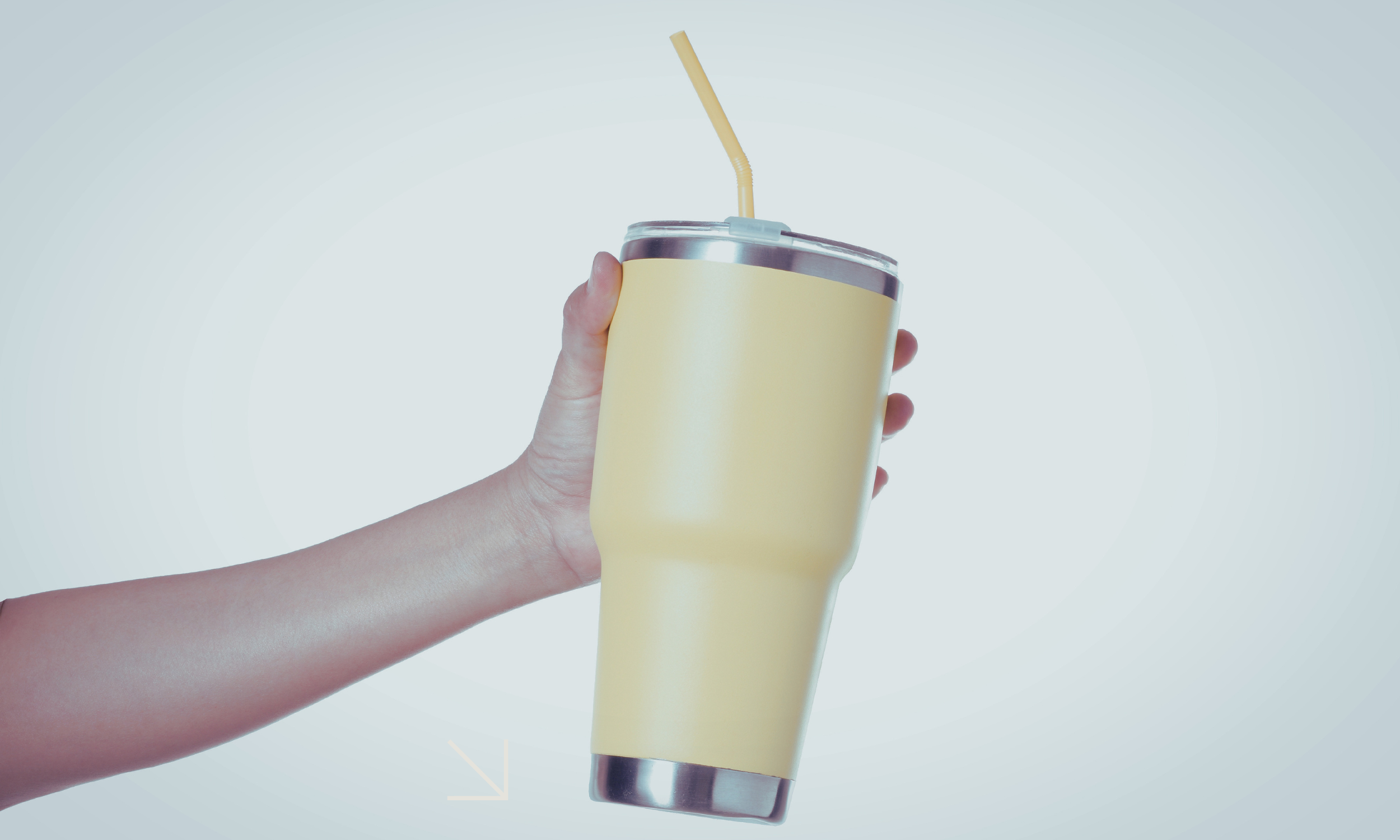
Microplastics Are in Your Brain. Where They Come From + How to Reduce Exposure.
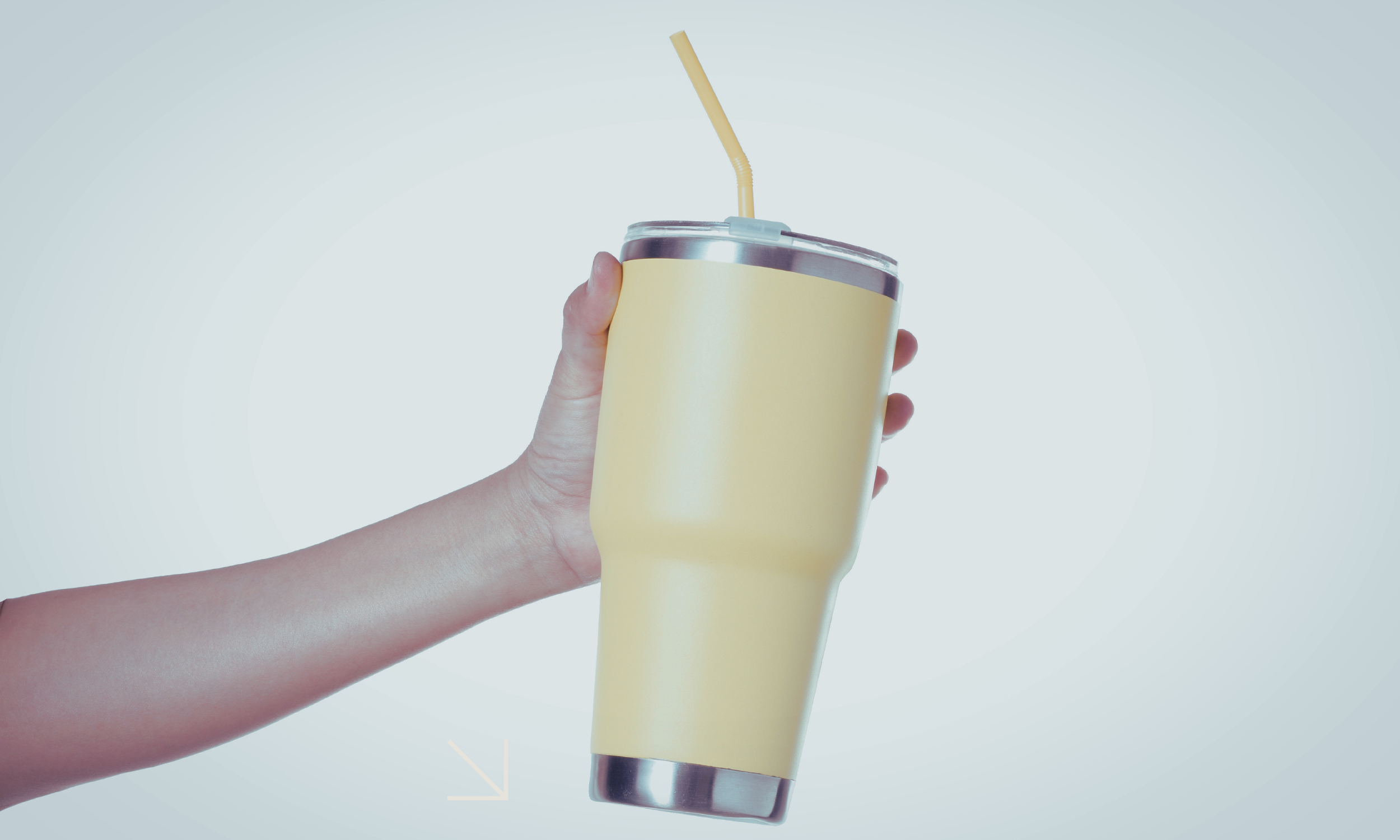
It’s Why You Really Do Need that New Water Bottle
In case you needed an excuse to get another Owala or Stanley tumbler, a new study found that microplastics appear in the brain between 10 and 20 times more than anywhere else in the body. While we don't yet understand the full impact we know it's not great. Go ahead and get that new stainless steel cup or cute mug. Any excuse to reduce our exposure is a good one.
What Are Microplastics?
Microplastics are tiny plastic particles that form when larger plastic products degrade from UV exposure, heat, or mechanical wear. Microplastics carry more than 10,000 chemicals, including known carcinogens and endocrine disruptors like BPA and phthalates. Endocrine disruptors are in all sorts of modern chemicals and impact the way our bodies process hormones.
Where Are Microplastics Found in Daily Life?
Microplastics are found in food that's been wrapped in plastic. Think tea bags, cellophane wrapped meat, and clam shell packaged produce. It's even been found in sea salt, honey, beer, and sugar. Microwaving those to-go containers releases microplastic. Sadly the lining of our favorite carbonated drinks usually also contain a plastic lining and leach microplastics.
Are Microplastics Harmful to Humans?
Studies had found that levels of microplastics in our brains are actually increasing, as much as 50% between 2016 and 2024. Meaning we're more exposed than we were a decade ago. These particles build up in our arteries, and increase the risk of heart attack and stroke. They're associated with hormone disruption, impacting our thyroids, reproductive organs, and adrenal functions. The inflammation associated drives oxidative stress, think aging, and gut microbiome disruption, which has a whole host of impacts.
We can't necessarily test for causation because that would mean knowingly exposing test subjects to create these diseases. But we certainly don't need causation data to justify reducing our exposure. We have mounting evidence that they're best avoided. And the good news? It's easier every day to minimize your risk.
In addition to the suspected harm microplastics cause to humans, we see similar impacts to our environment. They affect soil health and pollute marine ecosystems, which works its way into our food, and back into our bodies. The effects are far reaching, and eventually end up right back in our laps.
How to Reduce Microplastic Exposure at Home
Obviously my favorite way to reduce exposure is a cute tumbler, glass or stainless steel preferably. You should invest in a reverse osmosis water filter (read our article on water filtration here) and switch from unfiltered tap or bottled to make a huge impact on your family's plastic exposure.
In the kitchen, avoid heating plastic wherever possible, move food from to-go containers onto a plate or microwave safe bowl before heating. Ditch the plastic tea bag for loose leaf tea (bonus you get a mindful, slow-living ritual). Check your canned food or drinks for BPA free labels and consider switching to a glass or BPA free labeled brand.
BPA-free plastic still leaches BPS and phthalates and still sheds microplastics, so when possible opt for glass containers.
In your home, wash your clothes in a cooler setting. It saves you energy and our modern high efficiency machines are built to support it. When you vacuum make sure you're using a HEPA filtered vacuum and open windows regularly. This cuts down on airborne particles and prevents them from reentering the water system.
Research suggests saunas and compounds in broccoli can help clear some of the chemicals (BPA and phthalates) associated with plastic but do not clear the particles themselves. Trying to reduce exposure is probably the best course of action, at least for today.
5 Easy Swaps to Reduce Plastic Use Today
If I were starting from zero or looking for the biggest impact swaps here's what I would do:
Reverse osmosis filter (this countertop unit is affordable and the filters are manageable)
Switch to glass food storage containers, especially for heating
Loose leaf tea and a stainless steel infuser
Reusable grocery bags to cut down on new plastic generated
Stainless steel or glass cups (I'm a sucker for a cute coffee mug)
Why Eliminating 100% of Microplastics Isn’t Realistic
Experts agree exposure is unavoidable and it's not worth the stress of trying to be perfect. As we're learning new things, we're adapting them into our health and wellness practice. I don't want this to be a source of stress, just an educated warning that with a little effort you can drive big changes.
Don't be overwhelmed. Focus on making one or two of the changes recommended every month and it will compound over time. You got this.
My Favorite Plastic-Free Alternatives
This article contains affiliate links for your convenience, but there are tons of cost effective swaps at your local grocery store or from tons of reputable online brands.
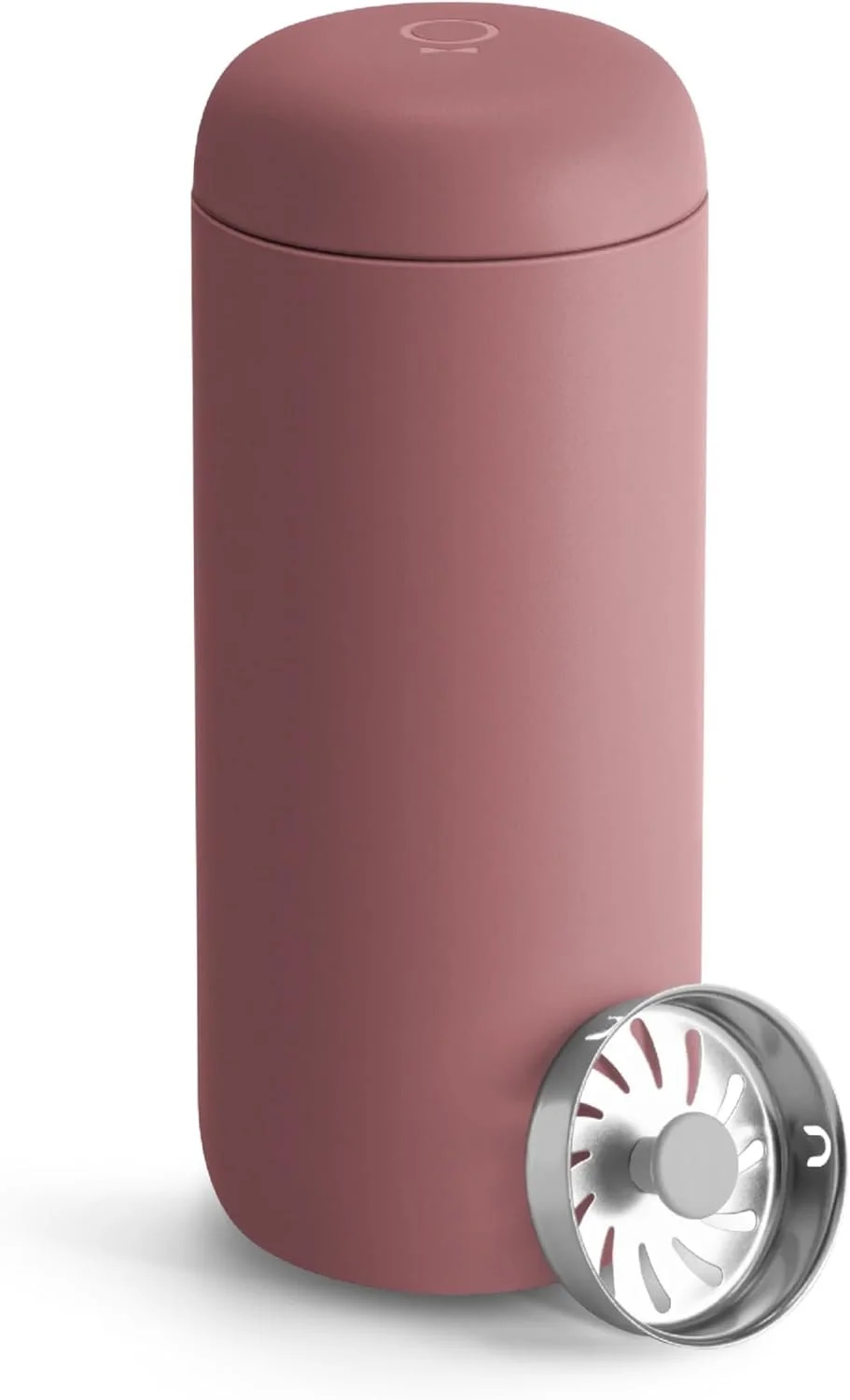
Fellow
Fellow Carter Move Travel Mug
Not leakproof enough for a backpack pocket but has a slash guard so you don’t slosh your iced coffee all over your shirt
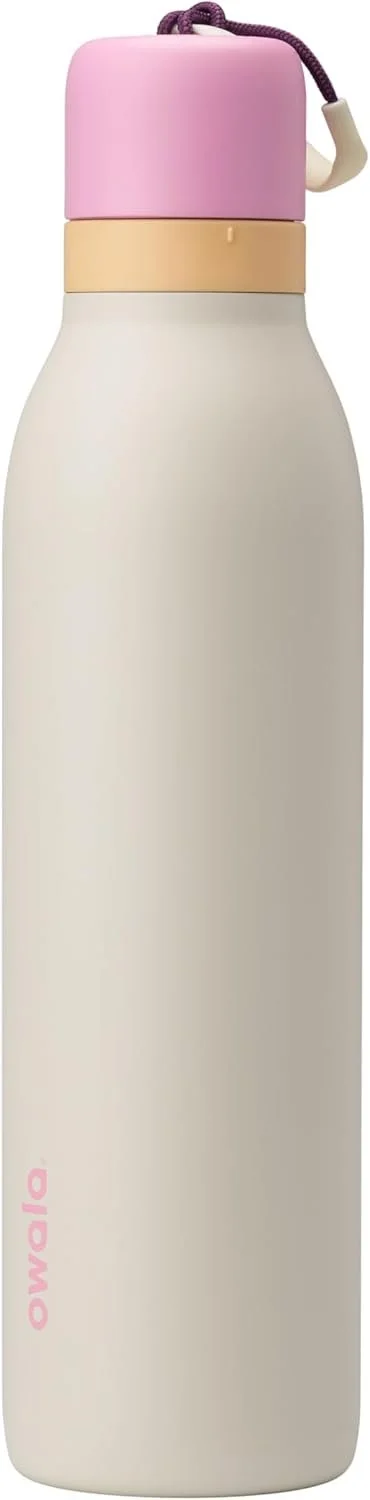
Owala
Owala Free Sip Stainless Steel Water Bottle
Has a built in straw and still fits in the side pocket of your backpack for easy traveling.
Stanley Quencher
A classic for a reason. Some colors are on sale right now, too.
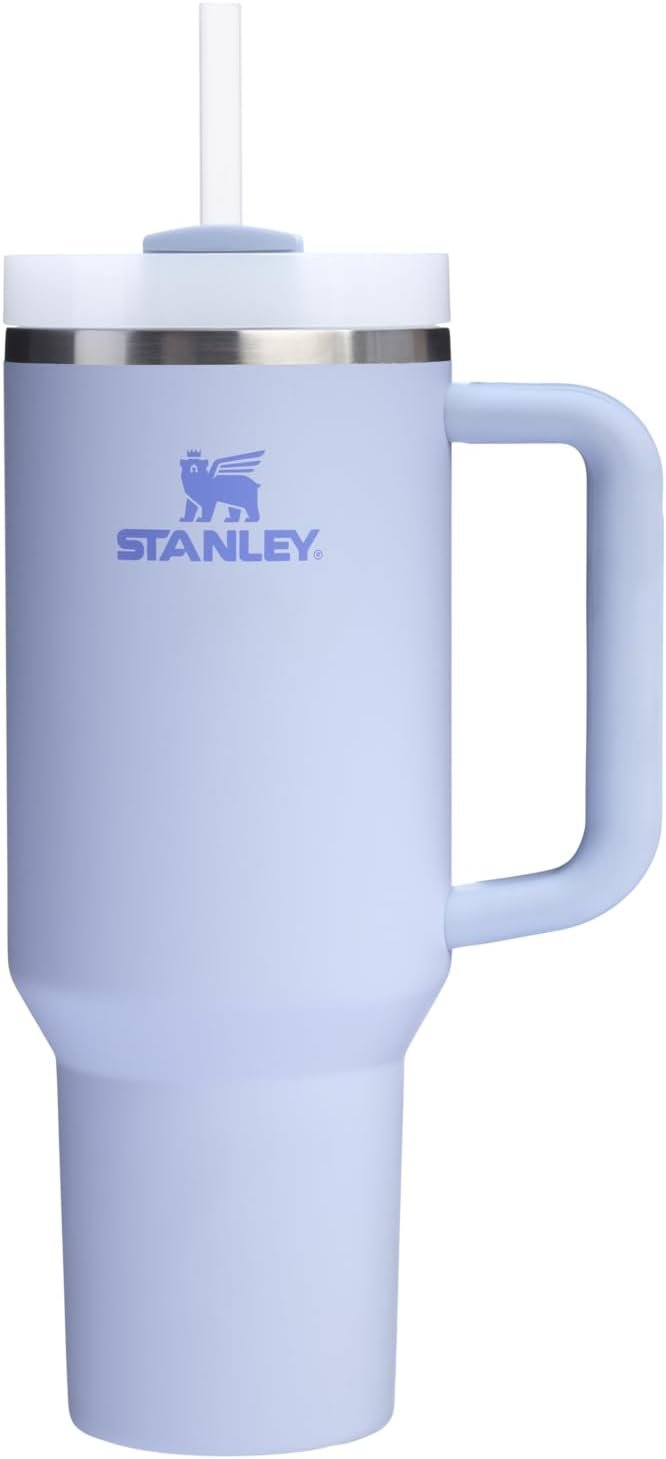
Stanley
A $65 Herb Garden Should be the Start of your Garden Journey
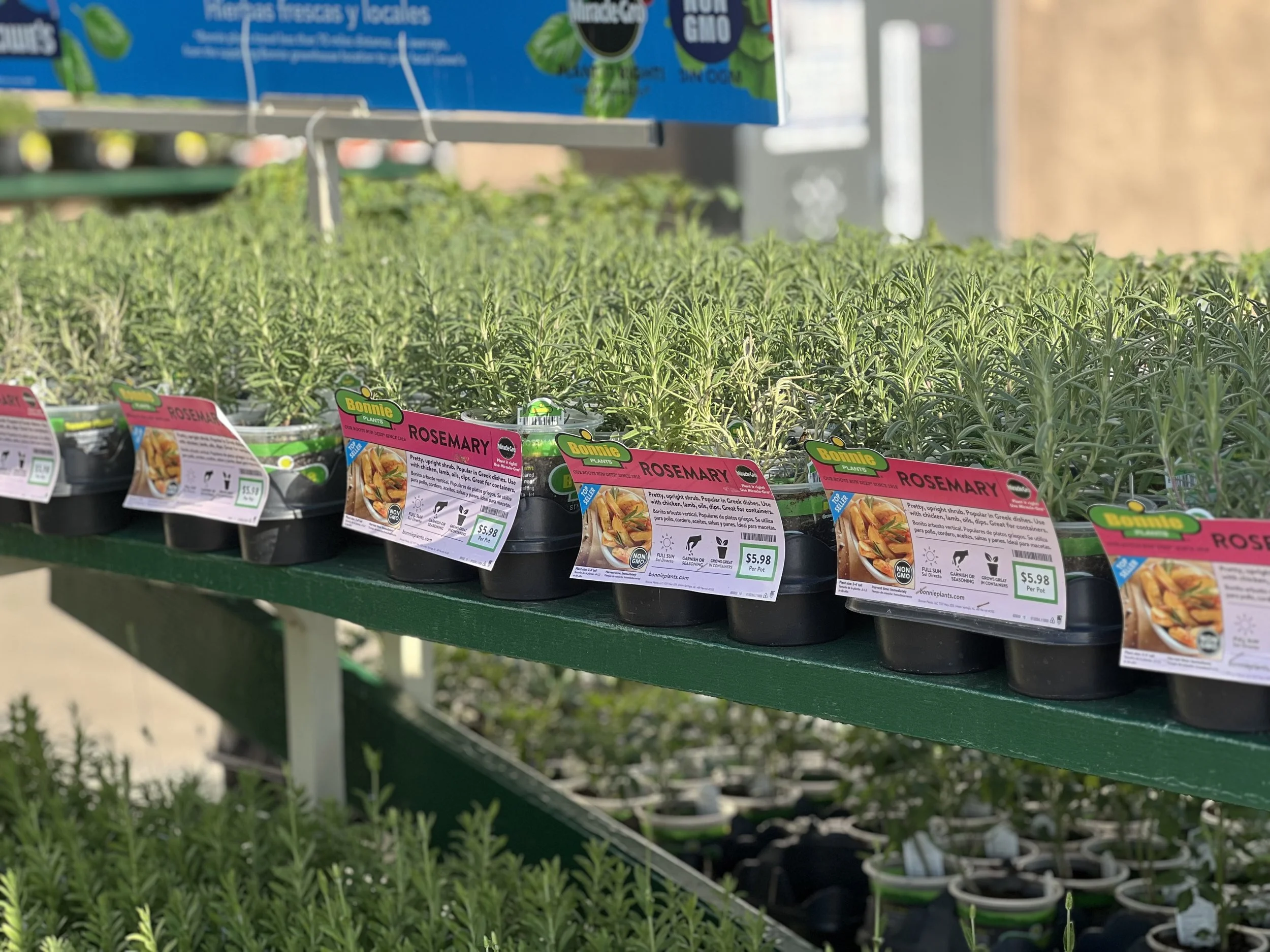
Do you know where your produce originated?
I bet you didn't know your produce generally travels pretty far before it shows up on the shelves at your grocery. The average produce item originates in Mexico or California, 1,500 - 2,500 miles for those of us on the east coast. Some are even imported from the Middle East.
After harvesting, herbs and vegetables start to lose their nutrients almost immediately. Some studies even found up to 50% loss of key vitamins within just days of harvesting.
Now I'm not suggesting we all start growing avocados, but herbs are one of the easiest ways to start. They take up so little space, are relatively easy to grow, and appear on the list of the most heavily treated with herbicides and pesticides.
How control over your food helps keep your family healthy
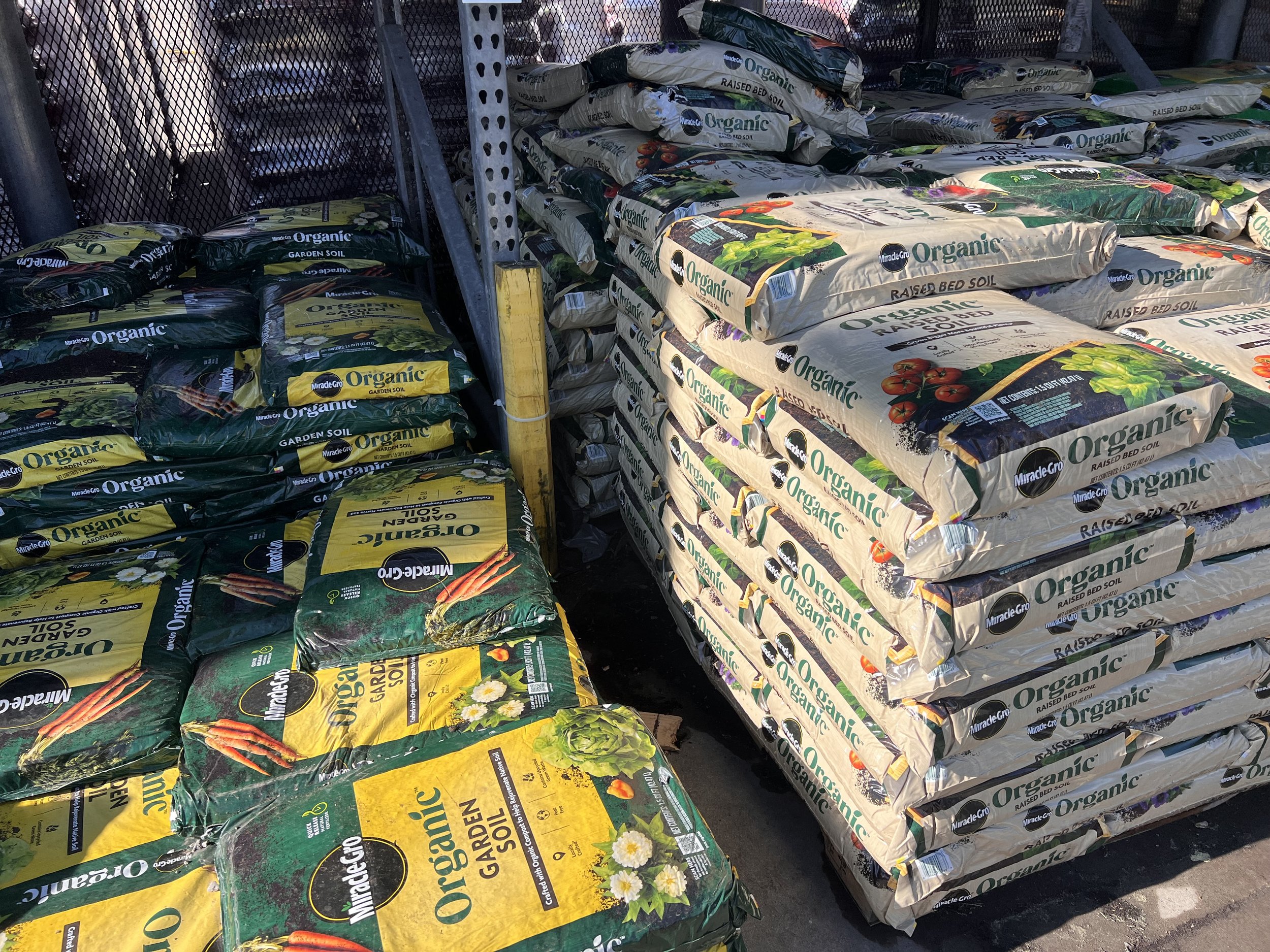
Opt for organic when possible
I'm a city girl and not trying to convince you to start raising your own livestock, but I do think gardening is a lost art. I think we should know what we're putting on, and most importantly, in our body. Being an informed consumer holds companies to higher standards and is an easy way to keep our families healthy and happy.
Mental and physical benefits of gardening
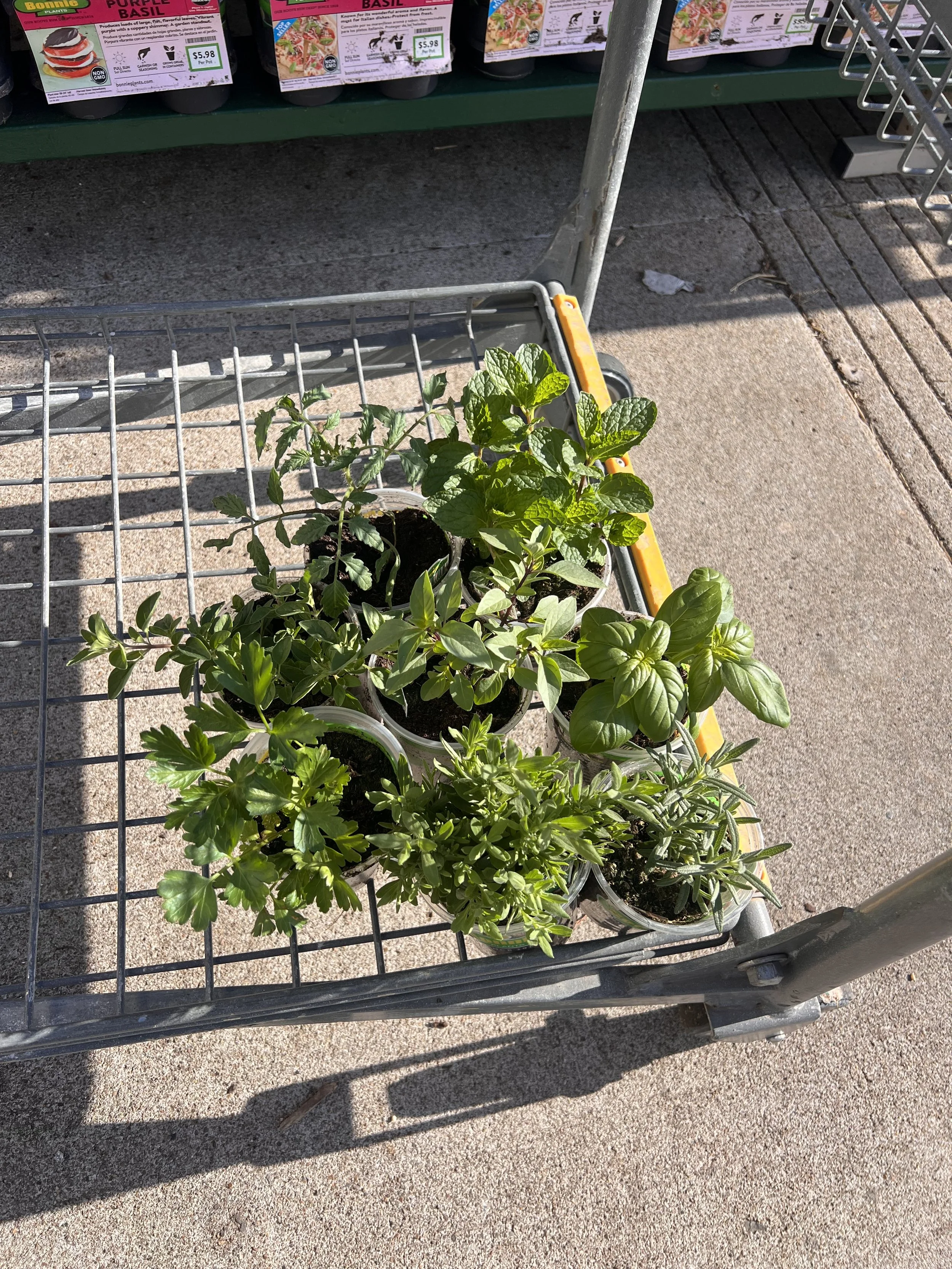
Have you killed all your indoor plants? Don't stress, an outdoor herb garden is more beginner friendly.
A herb garden won't take more than 15 to 20 minutes a week to maintain, but it's an incredible entry into the world of gardening and its endless benefits. Consider that time almost like a multi vitamin. Bacteria in the soil, Mycobacterium vaccae, have been found to release serotonin, a feel good brain chemical. Studies also show that even just 30 minutes in the garden reduces cortisol, the stress hormone that wakes you up at 3am. Getting sunlight in the morning helps regulate our circadian rhythm and provides a boost of vitamin D, something most of us are deficient in. There's even some cognitive benefits from fine motor skills.
I know I'm making it sound too good to be true, but gardening really is an incredible boost for our health. And we haven't even gotten to the taste and nutrient of your herb infused cooking.
Cost effective way to improve your cooking
Sprinkling some fresh herbs on your omelets, adding them to soup, or in a marinade before you grill is an easy way to add depths of flavor and add an extra dose of nutrients. I almost never buy the packaged herbs because I know I'll use them once and throw the rest out in a week. It seems like such a waste. Assuming you use the herbs in your garden just 4 to 5 times and you see a significant cost savings. My live herb plants were $5.99 at Lowes instead of $3.50 for wilted rosemary at Publix. Less waste, low cost and tastier food is a no brainer.
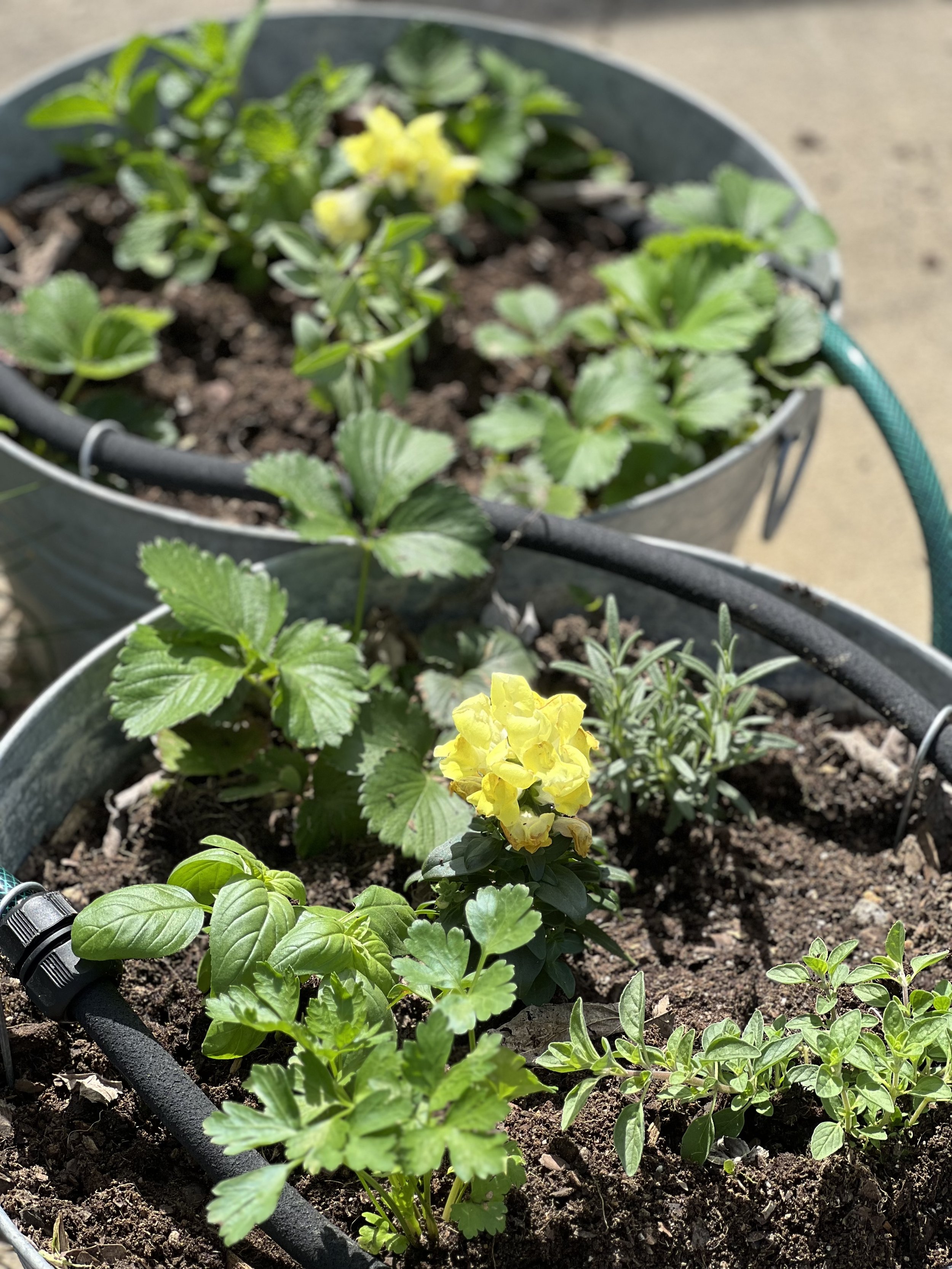
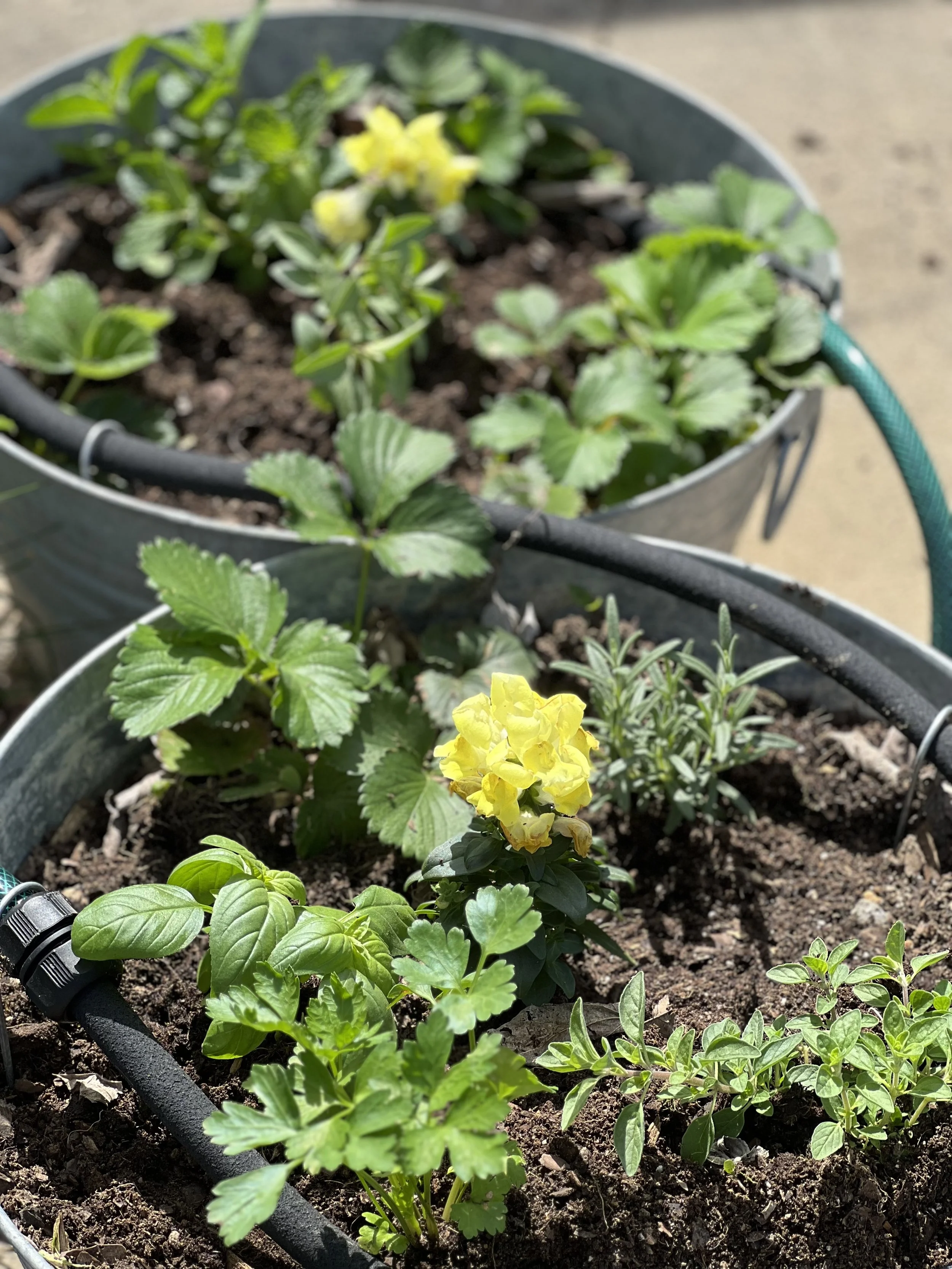
Herbs, snapdragons, and strawberries
Which herbs to start with
Rosemary is hardy and fairly easy to grow. It’s perennial in most of the US
Basil matures quickly, but make sure to pinch any flowers off or the taste will change
Parsley & Cilantro grow easily but will wilt back in the summer. They like cooler weather better. I start them but know they won’t get me through an entire summer.
Lavender smells amazing and deters pests
Thyme is another easy to grow herb with tons of uses
Dill is great in cooler weather and attracts a ton of caterpillars. I usually just let the butterflies and caterpillars have the dill.
Add a flower to attract beneficial bugs. I like marigolds, snapdragons or coneflowers.
Materials Required
Here's what you'll need:
A galvanized tub or resin outdoor planter, at least 20 to 30 inches wide
Organic potting soil or raised garden soil
A way to create drainage holes if none are present (I use a hammer and nail)
4-6 herbs of your choice (you could start with seeds, but live plants save significant time)
30 minutes of free time & sunny spot for your new container garden
*These products will all be cheaper at a home improvement store so you might as well get them while you’re grabbing your herbs.
Step by Step Instructions
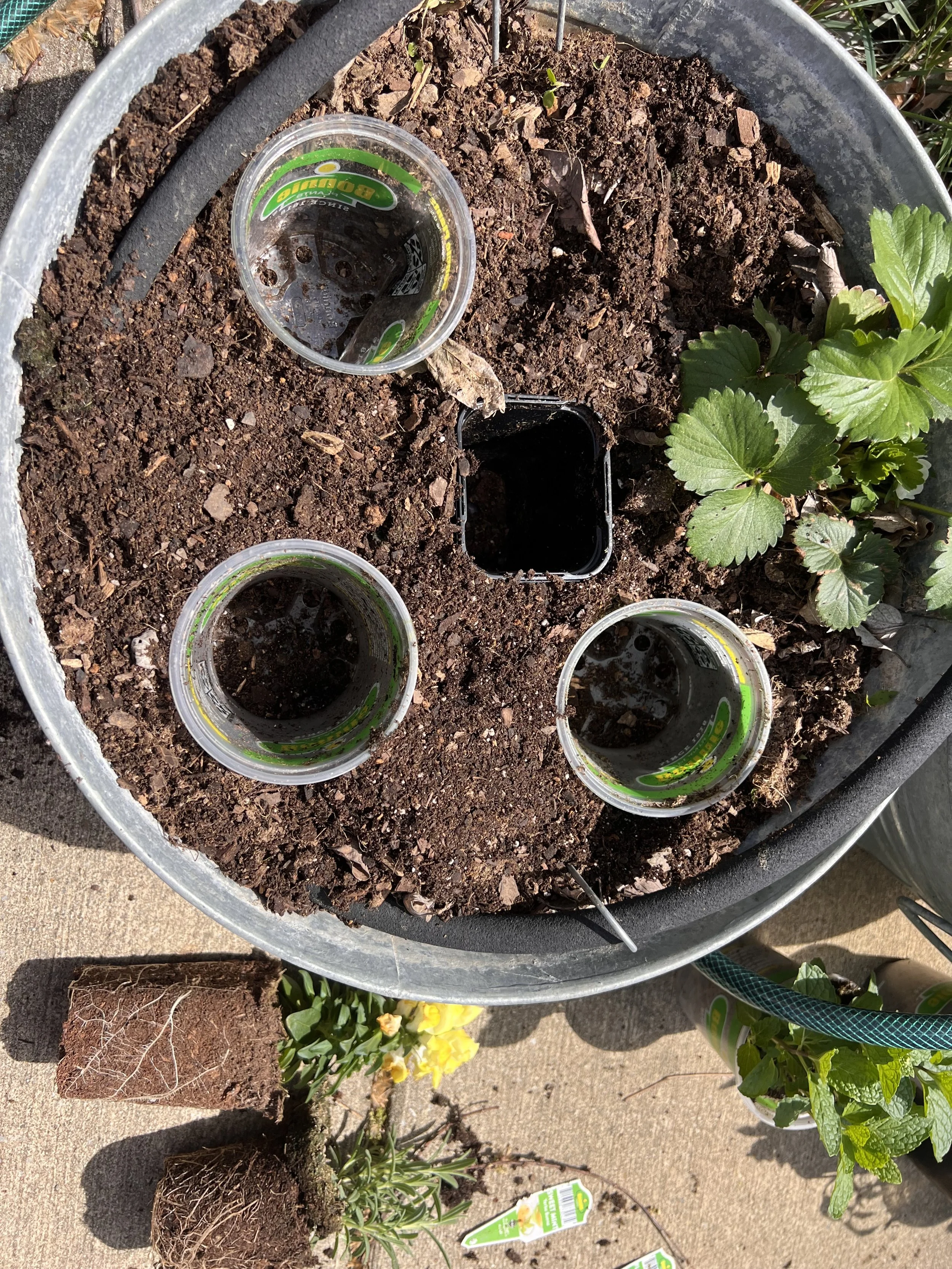
Step 3 - planting template
1) Add drainage holes if needed
2) Pour a layer of soil until your container is roughly half full
3) Remove the herbs from their pots and use the empty pots as a template for how your herbs will be laid out
4) Fill in the remaining soil around the empty pots, creating holes for your herbs
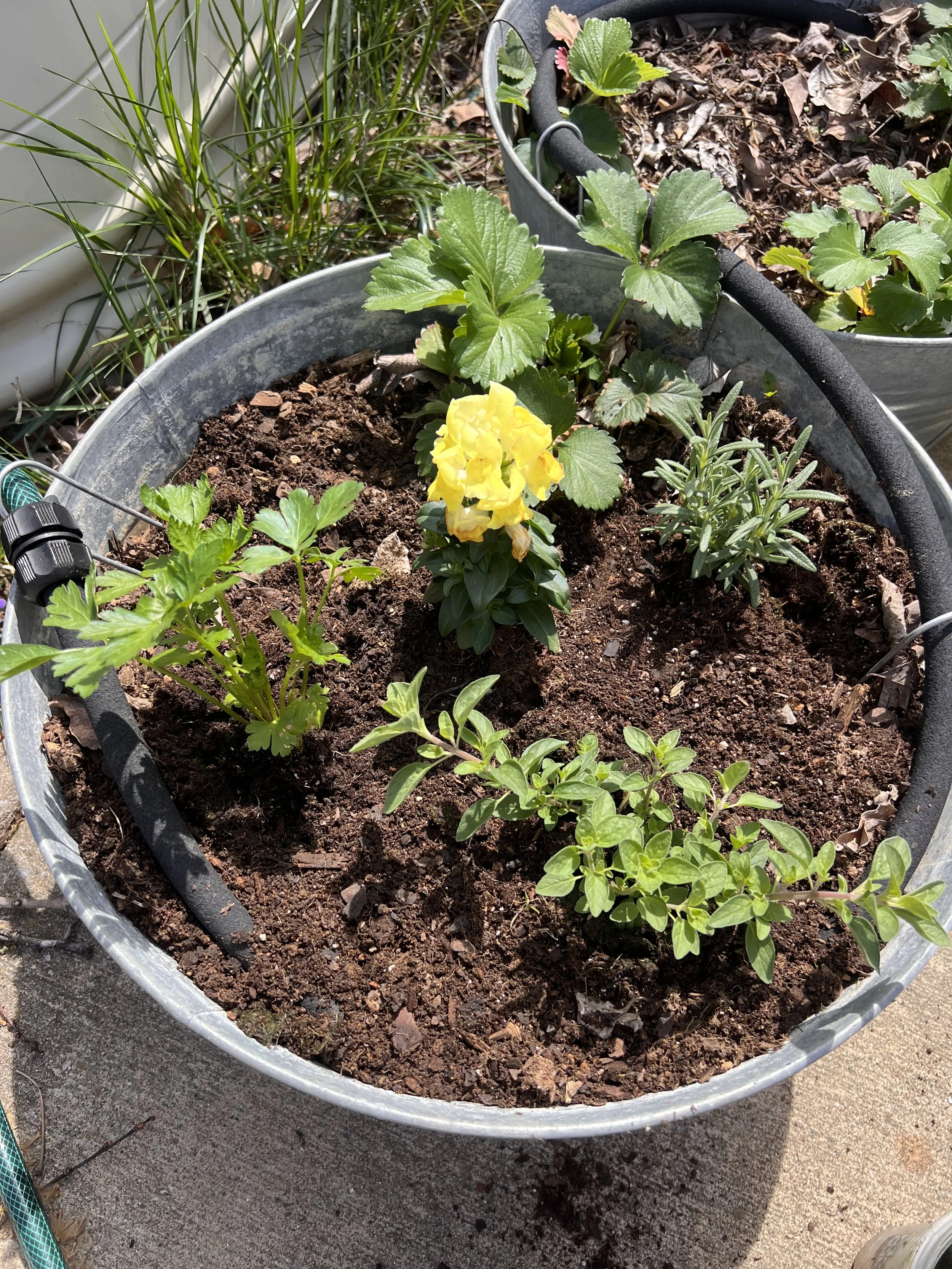
My planted pots
5) Pat the soil in and remove your empty pots, now place your herbs in their holes
6) Fill in any remaining soil, being careful not to cover the leaves of the plants
7) Give everything a fine pat to firm the soil around the roots
8) Water with anywhere between half a gallon and a gallon. Don't worry about overwatering — our drainage holes will take care of that.
They Also Make a Great Gift
Mother's day is coming up and this is one of my favorite gift ideas. It's low cost and shows a lot of thought and consideration. It's also my go-to housewarming or teacher appreciation gift.
Are Puzzles Good for Your Brain? Benefits for Memory, Focus, and Stress
Why the humble puzzle is the slow living hobby you need in your life.
Family Friendly Activity for Your Next Trip
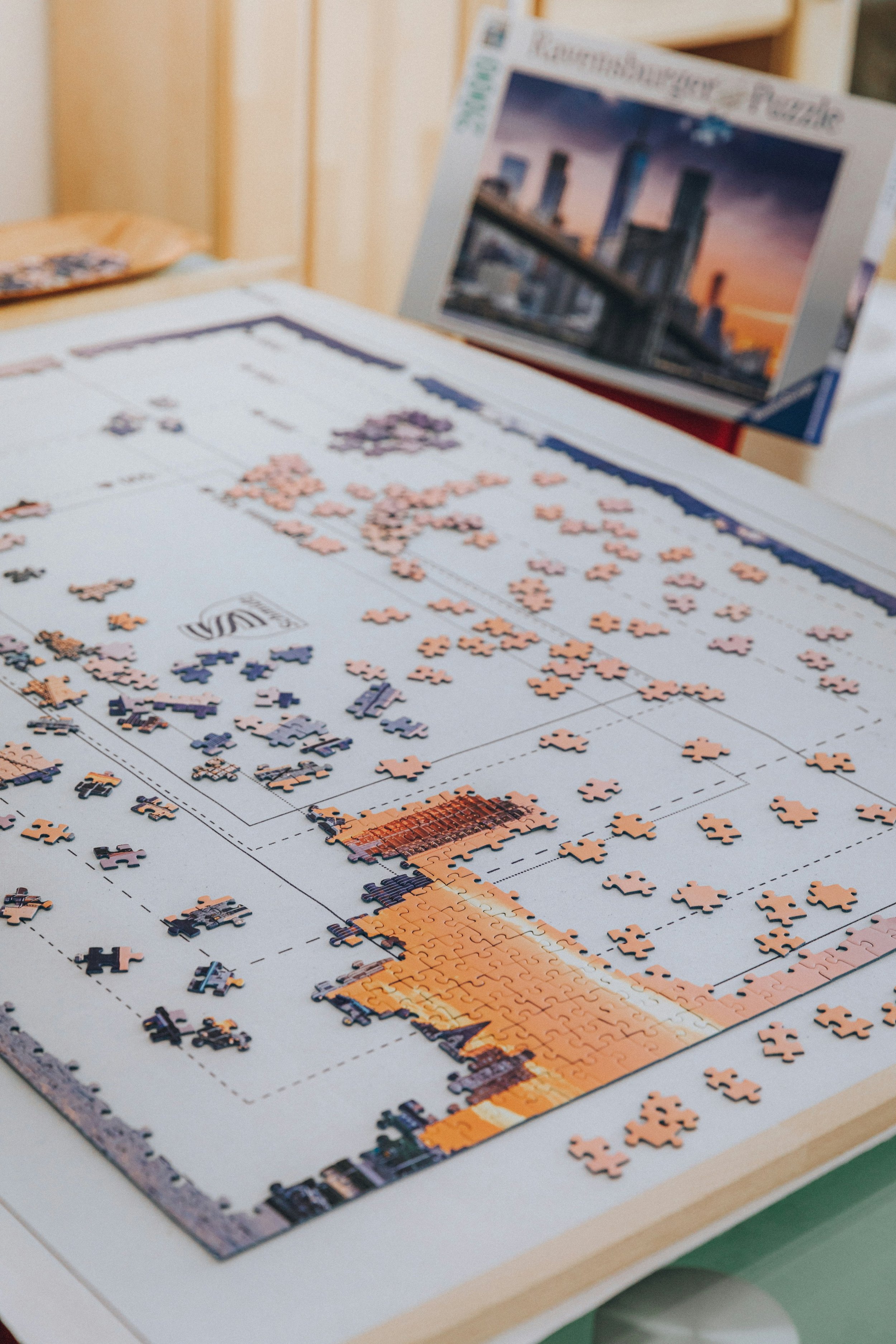
My family has been bringing a puzzle on vacation for the last 10 years. We usually stick with a 1,000 piece puzzle. My aunt and I are the big puzzlers, but everyone eventually drifts in and out to pick out an edge piece or just marvel at how many pieces we still have to go. It’s a conversation starter or a chance to connect.
Not looking forward to the next trip with the in laws? Having a puzzle is a great excuse to step away and have a minute to yourself too.
Are Puzzles Good for Brain Health?
Turns out there’s several reasons we love puzzle so much. Studies show that people who regularly puzzle experience delayed or reduced symptoms of Alzheimer’s and dementia. Puzzles engage multiple brain functions too, including perception, working memory, and reasoning.
They also offer some emotional benefits by increasing dopamine, a chemical that regulates our mood. A small study even showed puzzles can reduce cortisol, the stress hormone responsible for the 3AM wake up call.
They require our full focus in a way scrolling doesn’t.
A Low-Cost Hobby With High Mental ROI
I’m a public library girlie and lots of public libraries loan puzzles so it's a low cost (and low waste) hobby. Used bookstores frequently sell puzzles. I swap them with a friend who also loves a good puzzle.
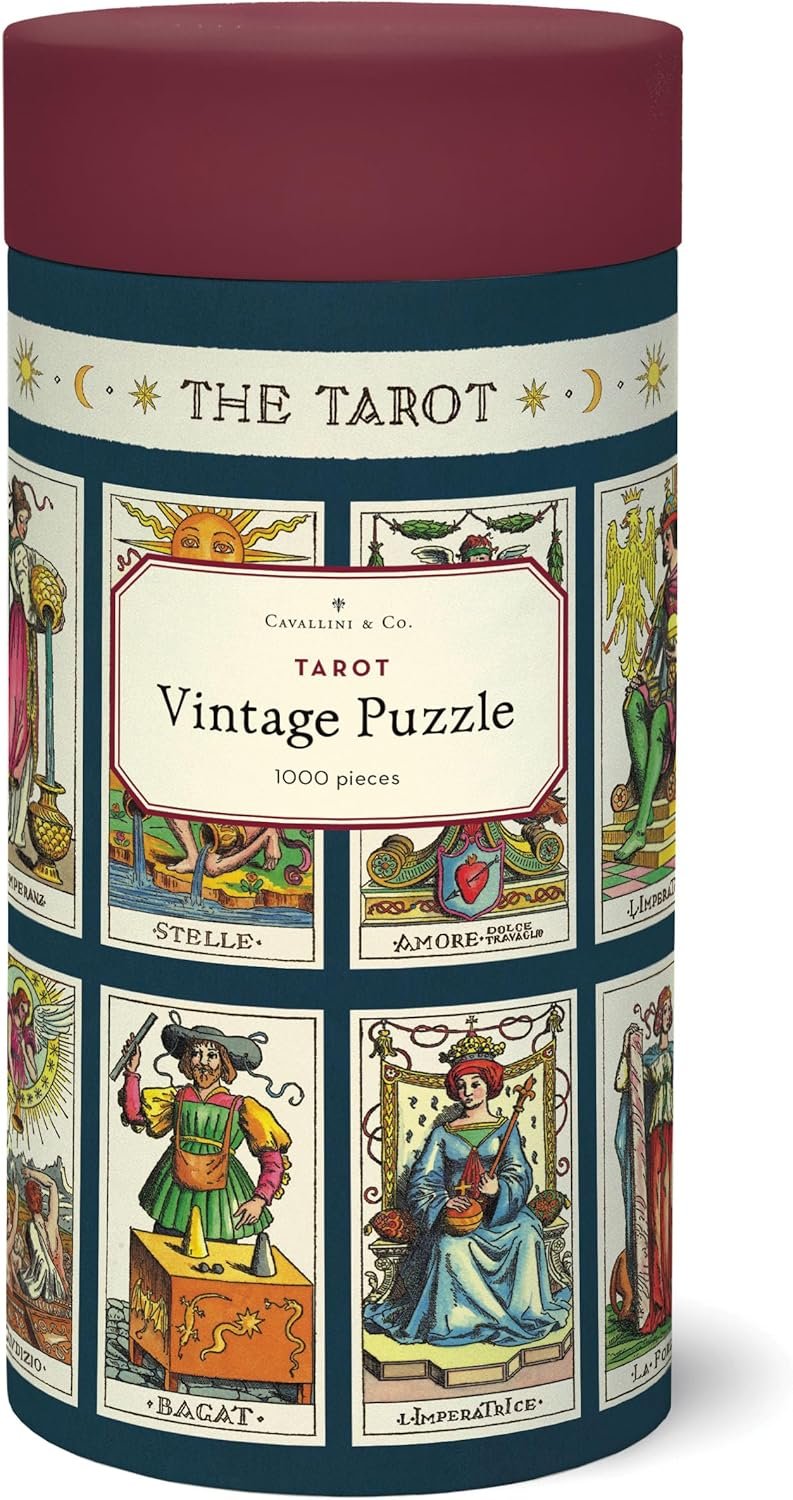
They’re also scratch the itch when I need a little retail therapy. I love to gift the Cavallini & Co. puzzles. They look beautiful and have a puzzle for every theme. This Tarot Card Puzzle is my most recent purchase.
Puzzles are the low-tech hobby your brain has been craving.
Why Puzzles Help Reduce Stress and Anxiety
I’m all for an excuse to step away from my phone. I’ve been combining a puzzle with my evening tea routine for a 30 minute digital detox. Maybe you’re trying to implement a slow Saturday morning? Yes, please.
Start this weekend with your favorite latte, a bagel, and a new puzzle. You’ll feel better than if you jumped right into the scroll. Start off small with a 240 piece puzzle to build a little momentum before you graduate to a 500 or 1,000 piece puzzle.
Want more? Check out the books I’ve finished and would recommend when you need more than a puzzle to escape reality.
This post contains affiliate links, but all opinions, and puzzles, are my own.
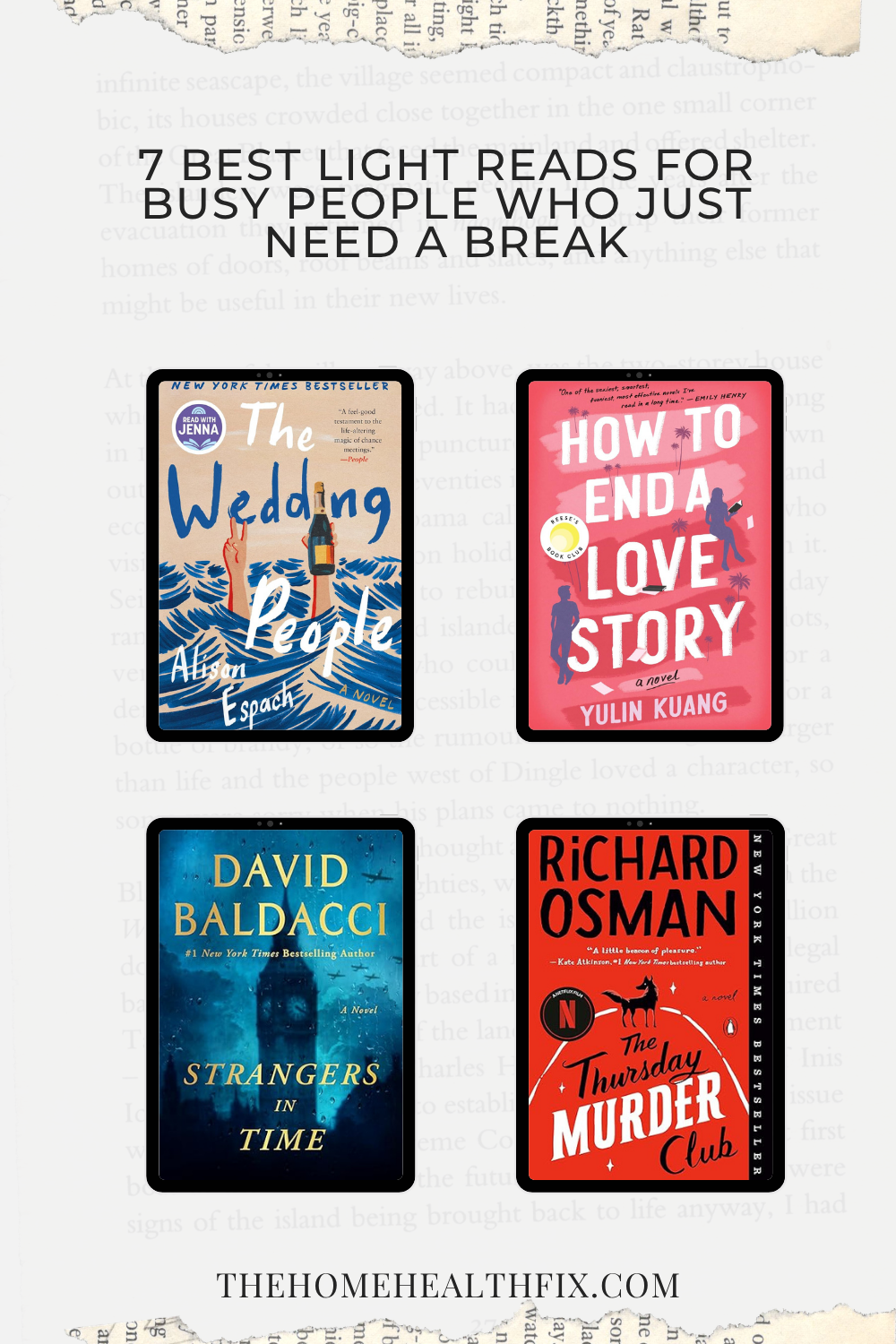
7 Best Light Reads for Busy People Who Just Need a Break
Burned out and craving a good book? Here are 7 light reads for busy people that are impossible to put down.
Why Light Reads Are the Ultimate Slow Living Practice

You know that feeling when your brain is full and you just need to disappear into a book for a while? That's where I've been living lately.
We know research suggests less screen time is the key to increasing our health and happiness, but that’s easier said than done. I’m really focusing on sleep this season and taking a screen break before bed is the biggest part of my plan.
I try to read 15-30 minutes before I turn off the light each night. Although a few of these books are page turners that were HARD to put down.
My Favorite Light Reads for Busy People
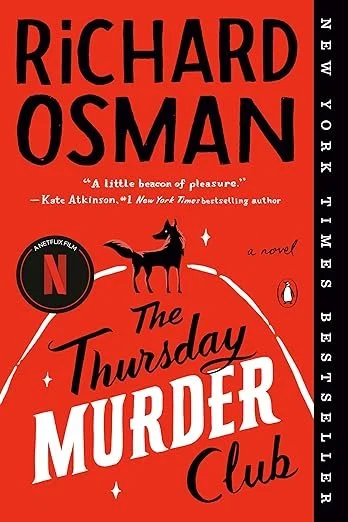
Thursday Murder Club
A group of retirement community residents who meet weekly to solve cold cases find themselves tangled up in a very real, and very local, murder.
I couldn’t get into this series until I tried the audio book, and then I couldn’t stop. Narrators switch halfway through the series so be warned. But this book is charming, heartwarming and an easy escape.
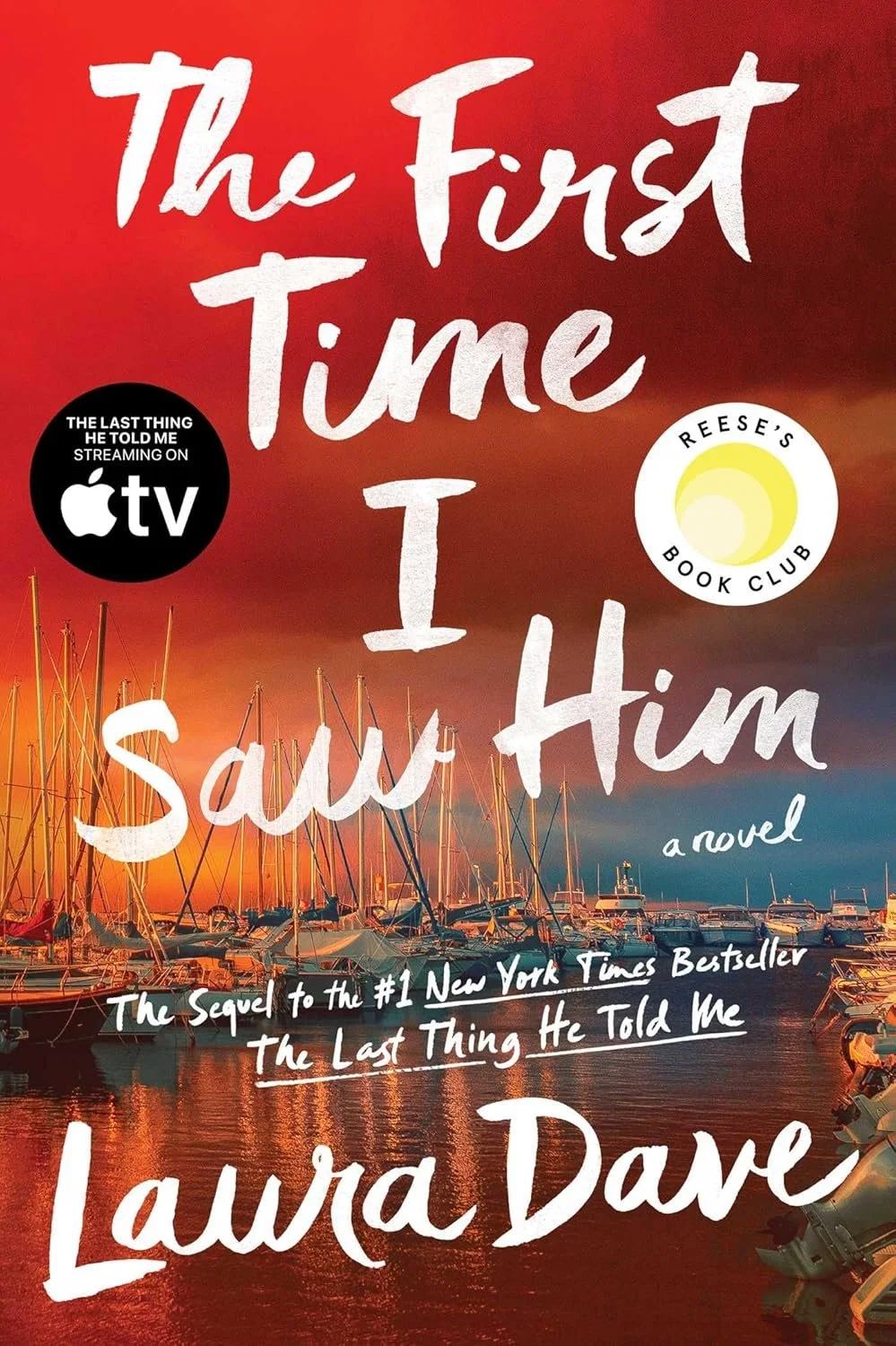
The First Time I Saw Him
A woman gets an unexpected second chance at the man she's always loved, and has to decide how far she's willing to go to make it work — for herself and her daughter.
The sequel to the popular The Last Thing He said. This book tells us about how far a woman will go to get a chance at a happy ending with the man she loves, for herself and her daughter. There are some twists but overall very low key.
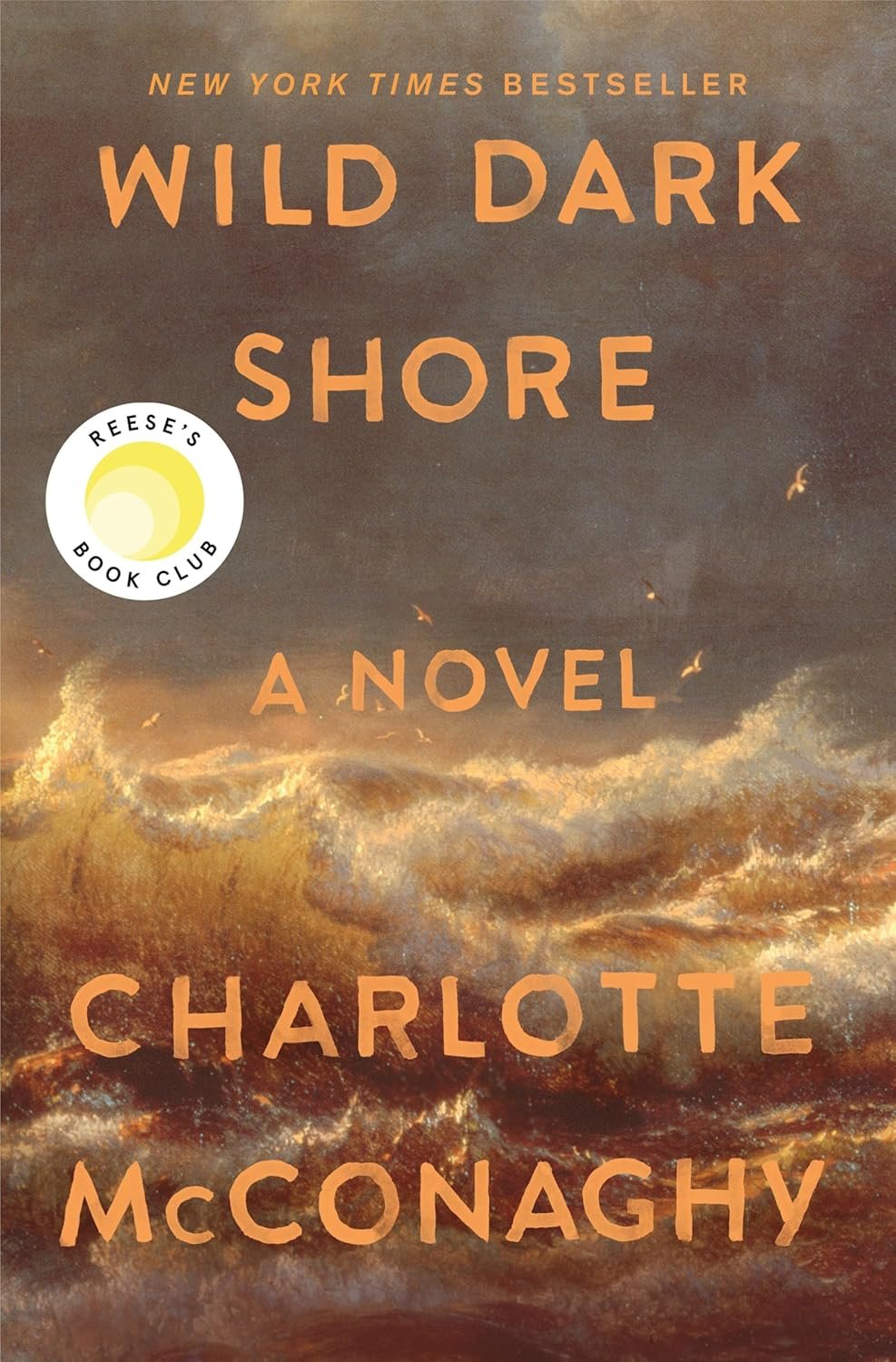
Wild Dark Shore
A family living in isolation on a remote island faces a dangerous situation that tests every one of them, including the youngest, a boy who might be the heart of the whole story.
This is the most thriller book on the list. The characters, especially a young boy are endearing. You’re rooting for this family to figure it out. A little dark at times but still not too intense.

Strangers in Time
Two unlikely strangers find each other in the chaos of WWII London and form an unlikely bond that helps them both survive — and eventually thrive.
I’m not usually a big fan of war book, but this story involves two unlikely friends who help each other survive and thrive, against all odds in war torn London.
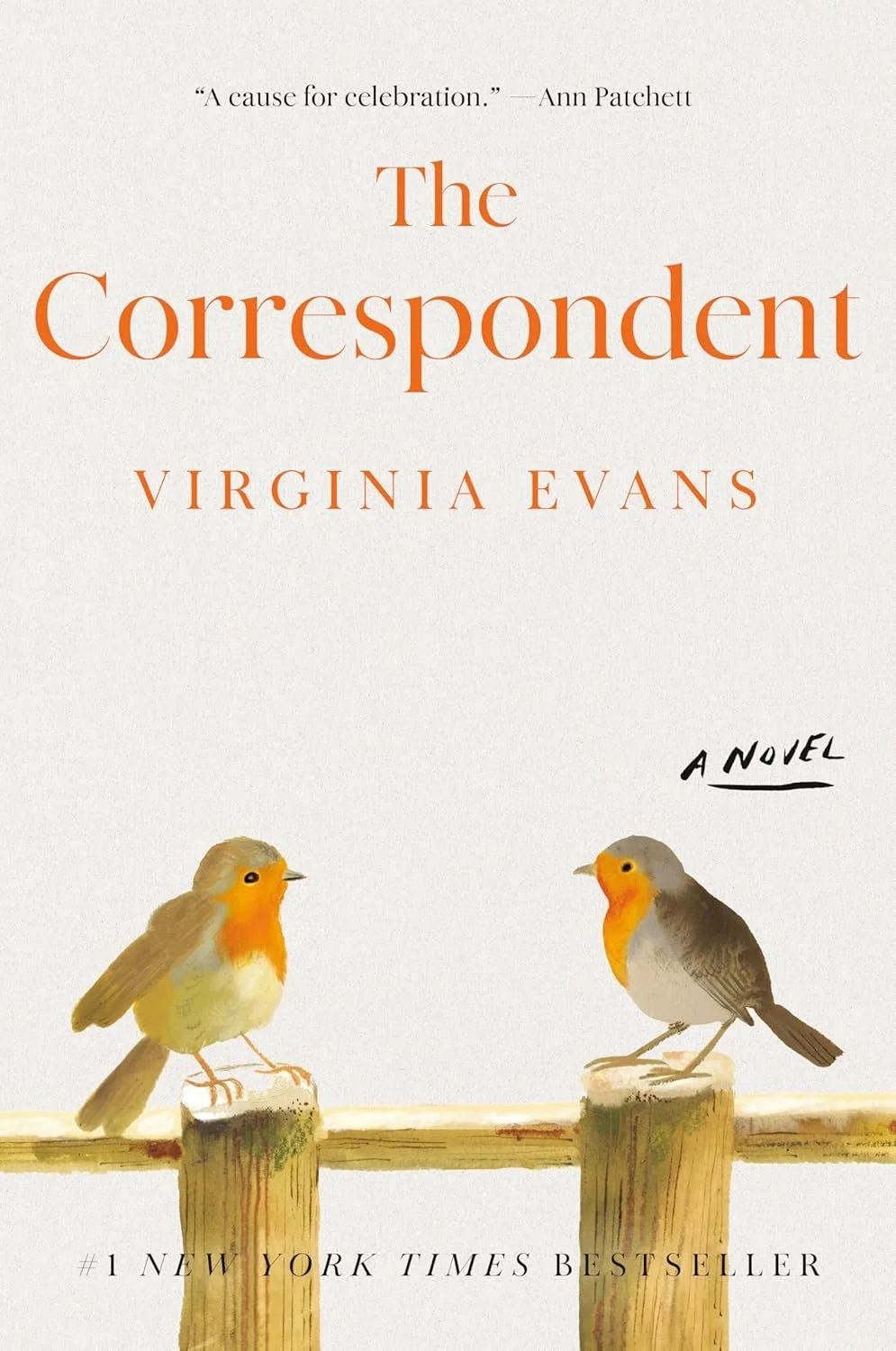
The Correspondent
A retired attorney begins exchanging letters with a stranger and finds herself slowly reconstructing her sense of purpose, love, and connection in the process.
A sweet book that reminds me of the power of a thoughtful note and intentional communication. Follow a retired attorney’s journey as she navigates love and family struggles. Heartwarming and will make you want to send a post card to your girlfriends.
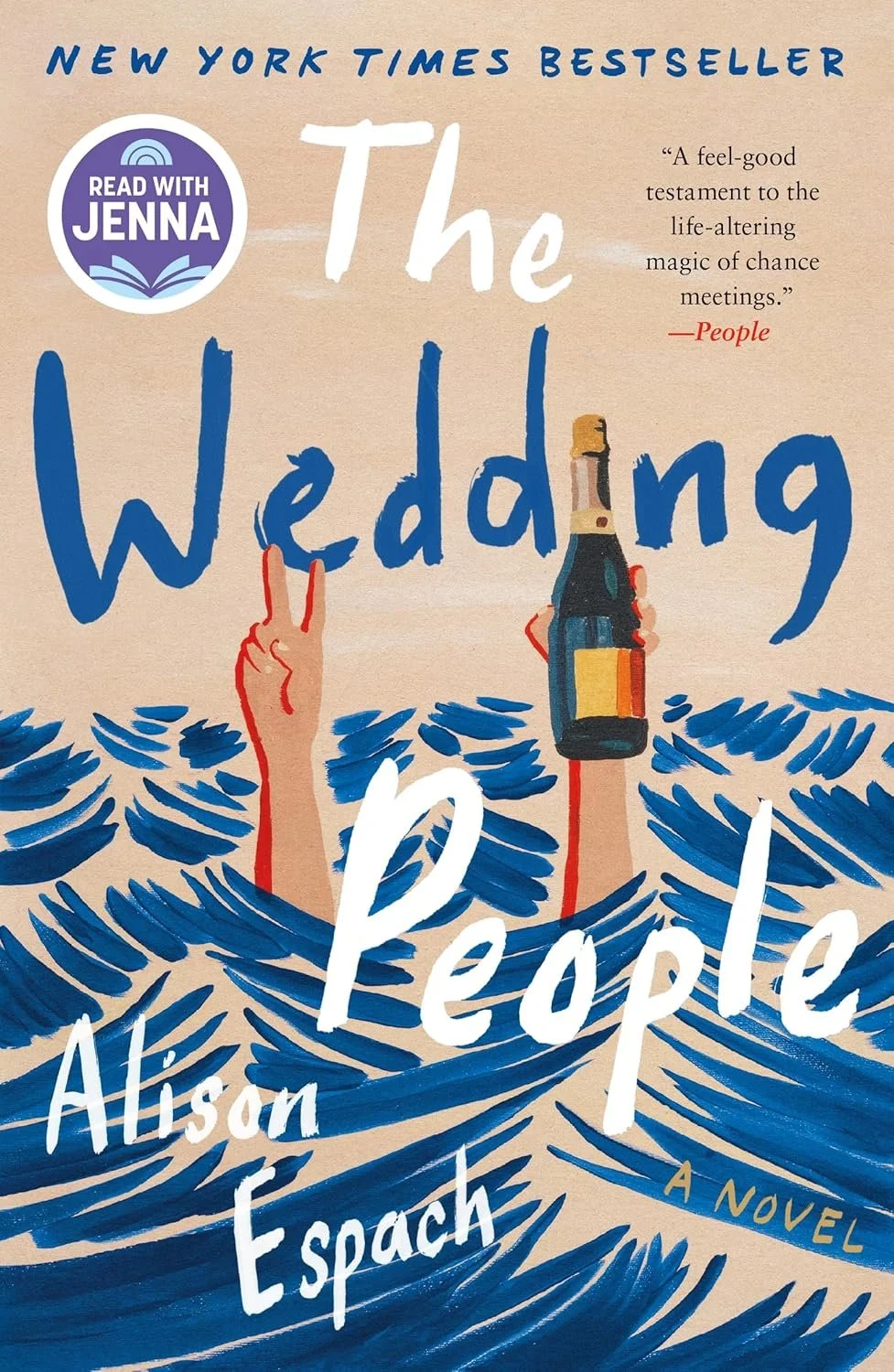
The Wedding People
A woman arrives at a resort with a plan to end her life — and accidentally ends up in the middle of a stranger's wedding weekend instead.
Despite opening with a plan to end her life, this main character is immediately likeable. You can’t help but cheer her on and read on to see how she pulls herself back from the edge. Seems like it should be a downer but its really quiet cheerful.
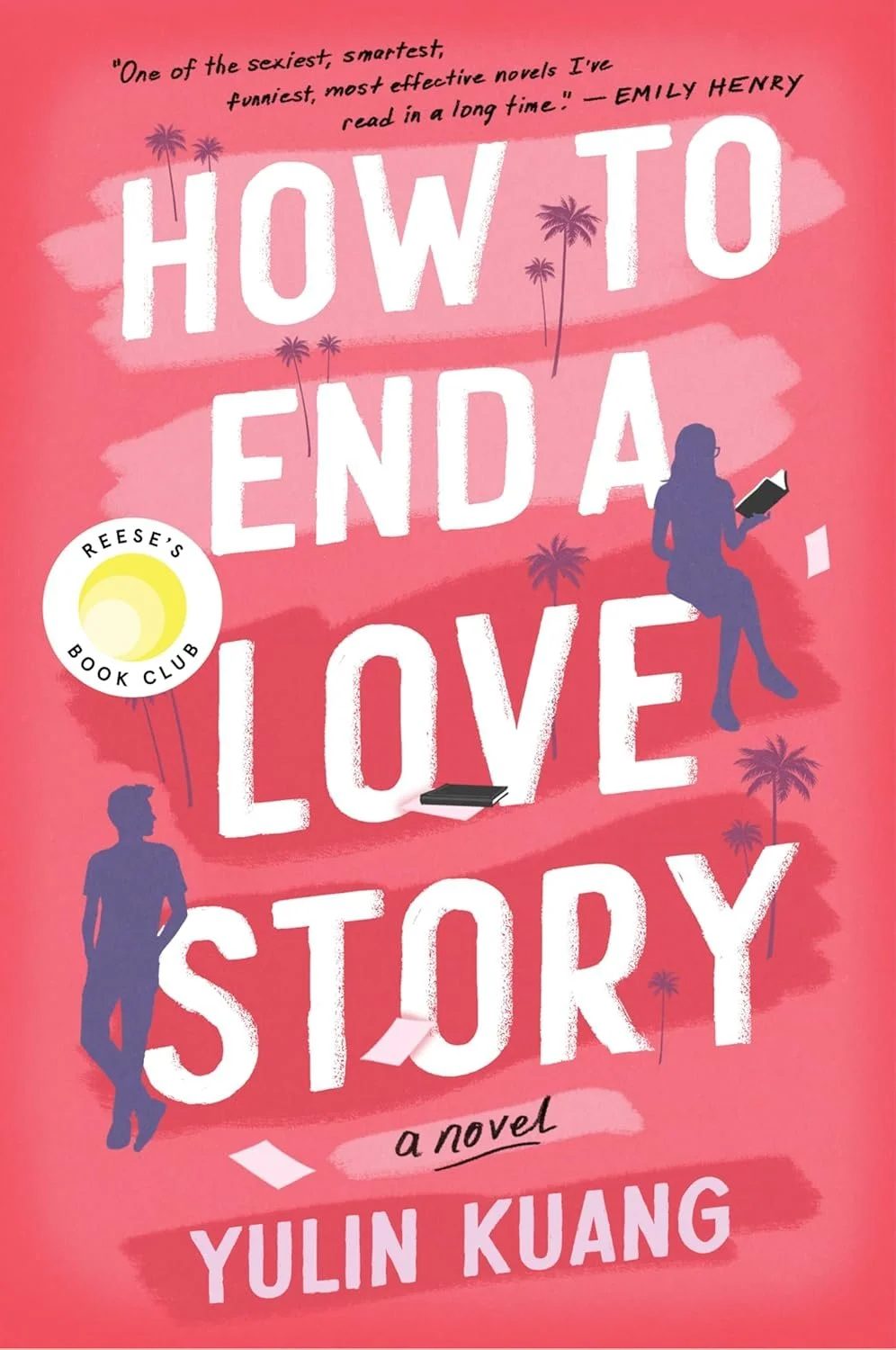
How to End a Love Story
Two people with a complicated shared history are forced back into each other's orbit, and the tension between what happened and what they want now makes for a very steamy, very emotional ride.
Who doesn’t love a beach read. This one is steamy, filled with drama, and emotional struggles. When you really need a distraction this is the book to reach for.
Take a Minute to Slow Down
Any one of these would make a perfect weekend companion, the kind of book you pick up Saturday morning and finish before dinner. If you're in a season where your brain needs a rest more than it needs a challenge, give yourself permission to just enjoy an easy read. I hope one of these gives you the break you’re craving.
How to Improve Indoor Air Quality Naturally (What Actually Works)
Your home air is 2–5x more polluted than outdoor air. Here's what actually works to fix it — and the two air purifiers I actually use.
Ultra fine particles contribute to poor indoor air quality.
Have you gotten home from a week away and noticed your house smelled musty? I consider myself a clean freak so its a small identity crisis when I get home and I think my house smells old.
Your house should actually smell like nothing. Not air fresheners, or clean laundry, or especially lavender scented Clorox.
That musty smell led me to find a small mold instance around some of the air vents. A consult with an HVAC mold specialist recommended lower quality HVAC filters and higher quality air purifiers
What Is Indoor Air Quality (Do Air Purifiers Remove Toxins or Just Dust?)
According to the EPA, your home air traps 2 to 5 times more pollutants than outdoor air.
We think our HVAC filters are doing the heavy lifting, but most standard residential systems can’t handle the added load of a high performance filter.
This is where air purifiers come in. Using HEPA technology they trap and remove tiny particles in the air. This includes common allergens, mold spores, dust, even smoke and some VOCs.
HEPA is the base standard but some filters provide Ulta HEPA filtration for an even cleaner experience, I’ve included the two units I’ve bought and would recommend below.
My favorite unit is the AirDoctor 3500, but it comes at a pretty high price point. It captures 99.99% of airborne particles at 0.003 microns, which is 100x smaller than the HEPA standard. It’s a higher price point, but after the mold scare it was worth it to me.
We have a second house that we rent on AirBnb. When I bought a preventative filter for that house, I went with the GermGaurdian XL. I’ve used smaller models from them and find they strike a balance between effectiveness and cost. It’s about half the price of the AirDoctor.
The GermGaurdian uses HEPA technology instead of the higher effective UltraHEPA. It still traps 97% of airborne particles but can’t get some of the smaller particles the AirDoctor can capture.
Both units auto sense and will ramp up filtration when they detect more airborne particles than normal. It’s humbling to see what activities cause the filters to ramp up. Blow drying my hair, spray deodorant, and candles all trigger it go into overdrive
What Causes Poor Indoor Air Quality in Your Home
Building materials, smoking, cooking, and biological contaminants like dust and mold all pollute your indoor air. Worse yet, traditional cleaning methods backfire. Weekly use of store-bought cleaners increases your risk of lung disease. Air fresheners trigger asthma attacks. And don't overlook radon, a leading cause of lung cancer in the United States, even though it contributes less to day-to-day air quality issues.
The National Institute of Health (NIH) includes the below visual to demonstrate the many sources of indoor pollution.
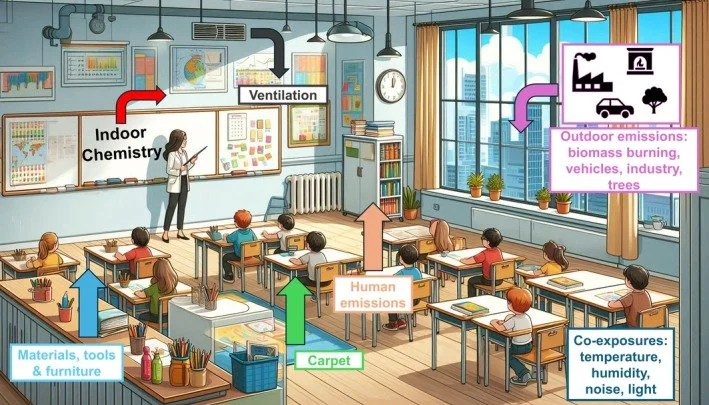
Illustration from the NIH showing the various factors that contribute to indoor pollution.
Why indoors is worse than outdoors
Modern builders construct new homes to strict energy efficiency standards, sealing them airtight to minimize heating and cooling costs. They deliberately eliminate air leaks and gaps throughout the structure. This saves you money on energy bills but traps pollutants inside. Builders choose synthetic materials to cut costs without realizing these products slowly release chemicals into your home for years. Berkeley and Harvard researchers revealed these dangers in the late 70s and early 80s, yet builders still haven't adopted the science. Consumer demand is starting to change some of these practices. As with everything it takes time for the word to spread. But if you’re reading this you still have plenty of time to make changes and start improving your home’s air quality.
Why Air Quality Matters for Your Health
Radon and carbon monoxide slowly poison us. This is easy to prevent, make sure you have CO2 detectors and get occasional radon tests!
Certain bacteria and mold trigger pneumonia and infections, hitting young children and elderly family members hardest. Indoor air fresheners, scented cleaners and candles trigger or worsen asthma attacks. Seems scary, but again this is highly preventable with an air purifier. You don’t need to make big changes to limit your family’s risk/
Women face a greater risk. We spend more time cooking, cleaning, and at home so our exposure is higher. Our homes should offer our families a safe space to recharge and rest. Instead, they threaten our health with higher concentrations of chemicals.
The 3 Most Effective Ways to Improve Indoor Air Quality
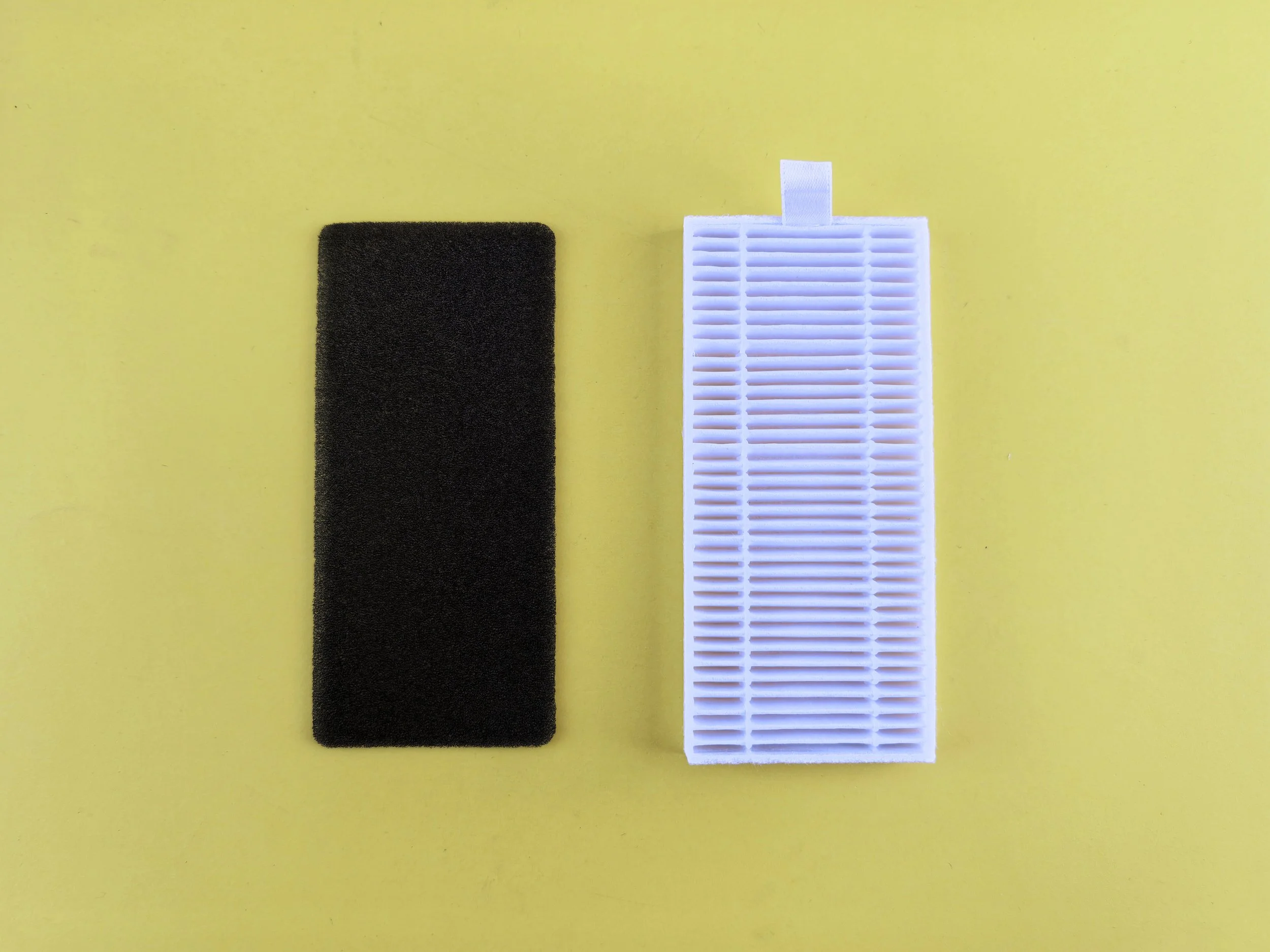
Remember to change your filters.
You can improve your indoor air quality in three ways: control sources, ventilate better, and purify the air.
Source Control (Reduce Toxins at the Source)
Start by controlling the chemicals you bring home. Choose safer cleaning products and ditch artificial fragrances.
Improve Ventilation (Fresh Air Still Matters)
Next, open windows for just 15 minutes daily and run exhaust fans while cooking or showering to flush out stale air.
Use Air Filtration (Do Air Purifiers Actually Work?)
Finally, invest in a true HEPA filter and change your HVAC filters regularly to clean the air that circulates through your home. I can promise they made a noticeable difference in my own home. There’s so many factors we can’t control for our families but this is an easy one and adds lasting value.
Want to Reduce Hidden Toxins in Your Home Even Further?
If you’re thinking about air quality, it’s worth looking at what’s coming from everyday products too.I put together a free guide to help you reduce one of the most common indoor pollutants, phthalates, without going extreme.
This post contains affiliate links. However, the recommendations are my own paid purchases and were not gifted.
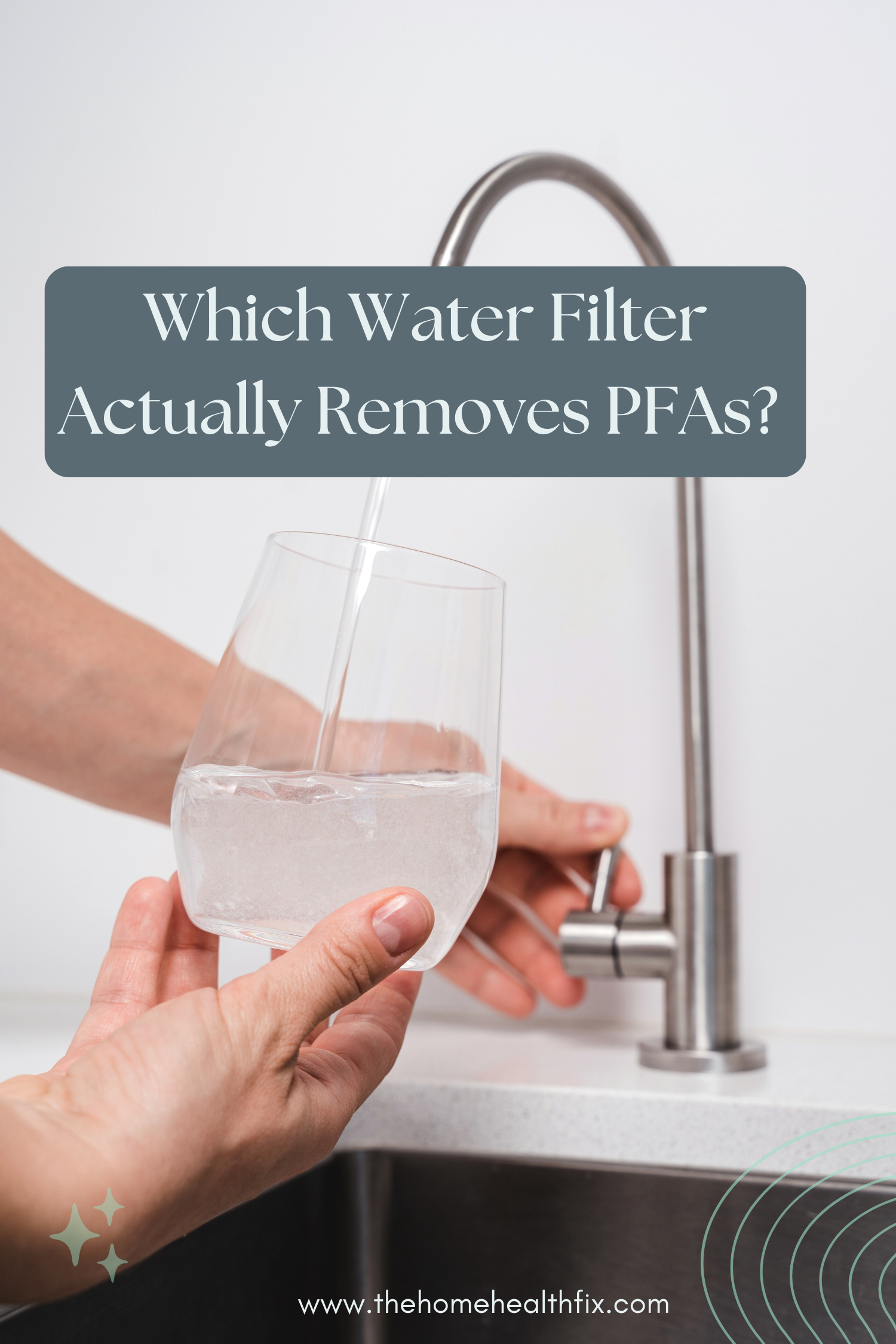
PFAS in Tap Water: How to Remove “Forever Chemicals” at Home
The U.S. Geological Survey found that almost half of all tap water tested contains PFAS or "forever chemicals." You've ditched non-stick pans for cast iron, but what about the water flowing from your faucets?
Your water may look and taste fine but still harbor invisible contaminants.
If you don’t filter your drinking water its time to start.
Switching to filtered water takes almost no effort and could meaningfully lower exposure to chemicals and microplastics.
I started to question my exposure to environmental toxins when my 4 year old dog developed a mast cell tumor even though she was eating a fresh food diet. It may seem dramatic, but pets and children react to much smaller levels of chemical exposure.
They’re an early warning sign that we have opportunities to improve our home’s health. When you know better you do better.
What Are PFAS in Drinking Water?
The U.S. Geological Survey found that almost half of all tap water tested contains PFAS or "forever chemicals." You've ditched non-stick pans for cast iron, but what about the water flowing from your faucets?
Your water may look and taste fine but still harbor invisible contaminants. Pollution enters at the source, during treatment, or through your home's pipes. Old infrastructure and regulations allow for harmful chemicals into our drinking water.
Keep reading to understand what causes the problem, but I think everyone should use some sort of water filtration. Skip to the end for my preferred options.
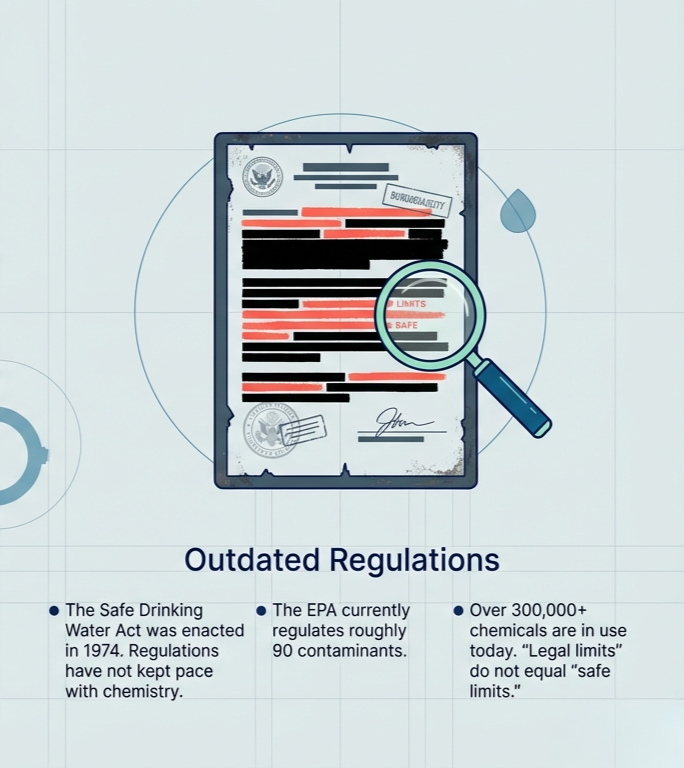
EPA regulations can’t keep up with chemicals in circulation today.
Aging Infrastructure
Builders constructed many water systems 50-100+ years ago. Metro areas have even older systems—some homeowners still have lead, wood, or terracotta pipes.
9 million service lines still contain lead. Flint wasn't isolated.
Outdated Regulations
Congress enacted the Safe Drinking Water Act in 1974, but regulations haven't kept pace. The EPA regulates roughly 90 contaminants, yet 300,000+ chemicals are in use today.
"Legal limits" don't always equal "safe limits."
This is why some consumers prefer to use EU brands. The EU is a more risk averse system where brands must prove ingredients are safe. The US allows brands to self certify ingredients are safe and tend to assume ingredients are safe until proven otherwise.
Are PFAS Harmful to Your Health?
There’s a myriad of things in our tap water. Some are harmless and some are a little more suspect.
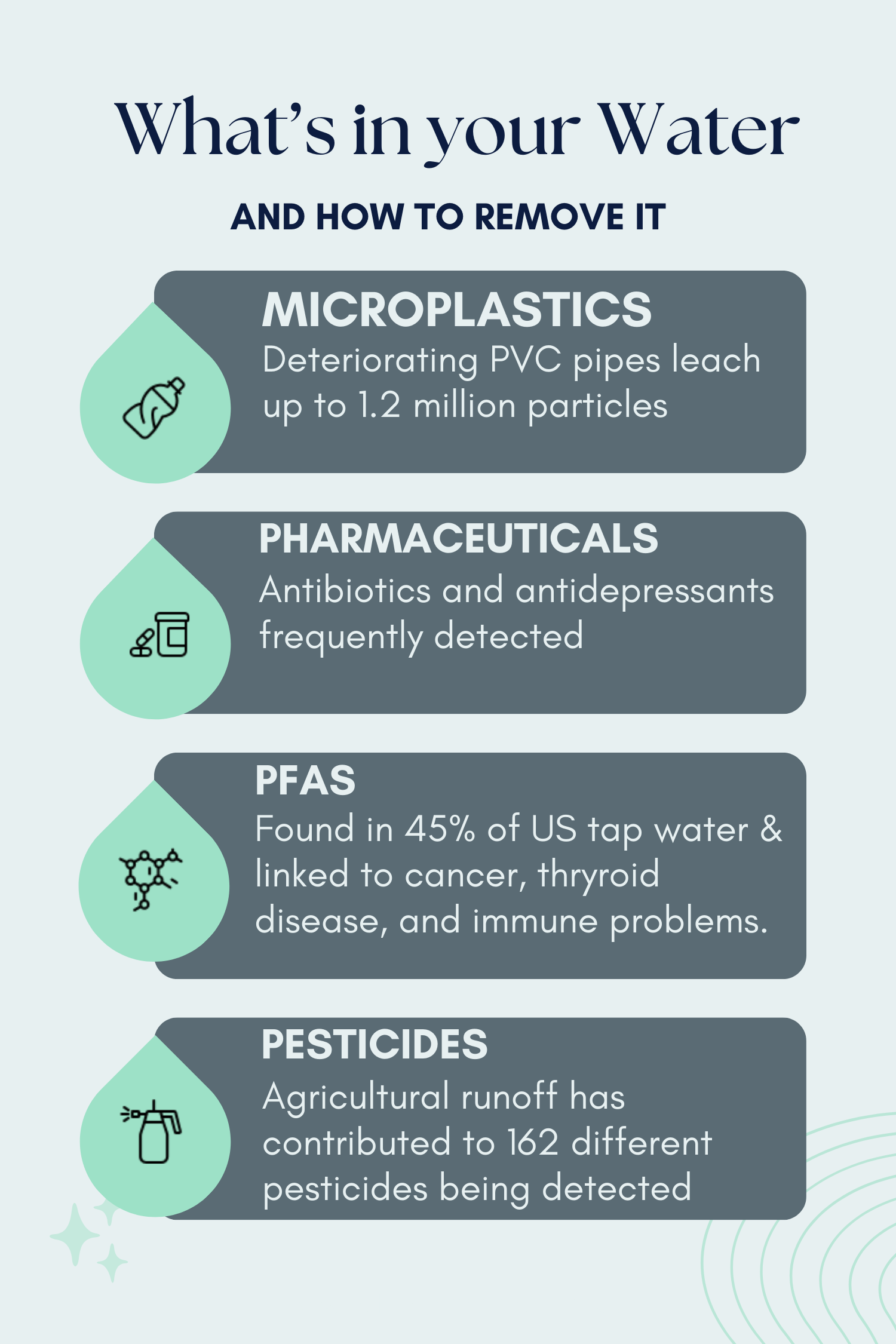
There’s more contaminants in your water than you think.
PFAS ("Forever Chemicals")
Linked to cancer, thyroid disease, immune problems
Microplastics
220,000 to 1.2 million particles enter your body annually through tap water
PVC pipes degrade and release these particles
Lead
Corrodes from old pipes and fixtures into your water
Fluoride
2 million people receive water above safe thresholds
This one is still being hotly debated and lacks consensus from the scientific community
Pesticides & Nitrates
162 pesticides detected from source to tap
Agricultural runoff contaminates groundwater
Pharmaceuticals
Treatment plants can't filter them completely
Endocrine disruptors (think thyroid and fertility impacts) affect hormones (proven in fish, concerning for humans)
Chlorine Byproducts
Disinfection kills harmful microbes but creates new risks
Why testing isn’t worth the money.
You can test your water through the EPA’s Consume Confidence Report or use independent testing.
The EPA only tests for regulated contaminants (the 90, not the 300,000+). They also use levels that not everyone agrees are safe.
Labs like Tap Score provide comprehensive testing for $100-300. However, most filtration options are less than $300. You’re better off spending your money on a solution, not understanding how big the problem is.
Remember odds are your water could be better. I’d skip the test and just get a filter.
Reverse Osmosis vs Carbon Filters for PFAS
Understanding filtration is confusing. Few filters address all concerns. Here's the breakdown:
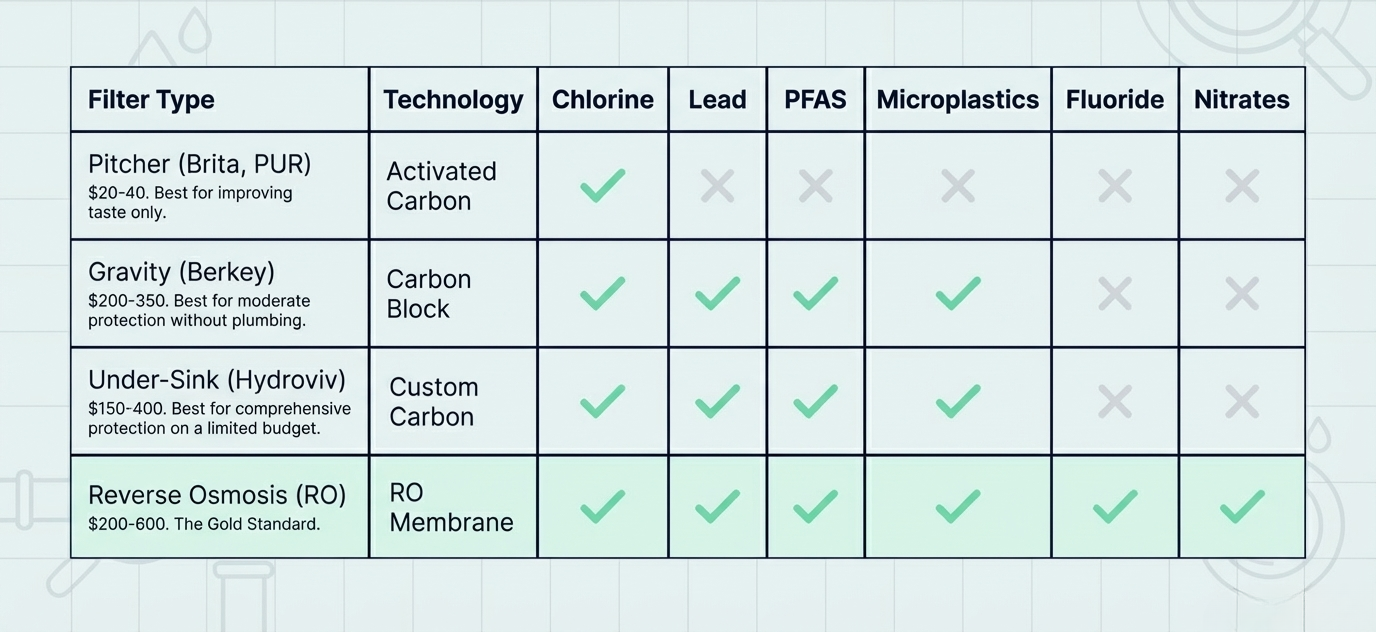
Time to upgrade from that Brita pitcher.
Pitcher Filters (Brita, PUR)
Water trickles through inexpensive activated carbon. Removes chlorine taste, but that's about it.
Gravity Filters (Berkey, Waterdrop King Tank)
Gravity forces water through millions of microscopic pores that trap contaminants.
Under-Sink Filters (Hydroviv)
Blend activated carbon, catalytic carbon, and ion exchange resins. Physically and chemically remove contaminants.
Reverse Osmosis Systems
The gold standard. Forces water through a semi-permeable membrane with microscopic pores. Blocks 99.9% of contaminants—lead, PFAS, arsenic, bacteria, viruses, pharmaceuticals, microplastics.
Given the potential health hazards, the conservative approach makes sense. Countertop RO systems offer affordability. Under-sink systems provide convenience with larger clean water tanks.
Water quality matters most for developing bodies. If you're pregnant, trying to conceive, or raising small children, invest in reverse osmosis. Better to be more conservative here.

There’s a filter option for every budget and situation. Anything is better than tap water.
Is Filtered Water Actually Safer Than Tap Water?
Small changes create big health impacts. Start today and rest assured you’re on the path to making your family healthier and happier. I’ve used all of these products at various points in my filtration journey.
Whatever you choose, make sure you understand filter cost and frequency of changes. Some of the upfront cheaper units need monthly filter changes. That adds up quick!
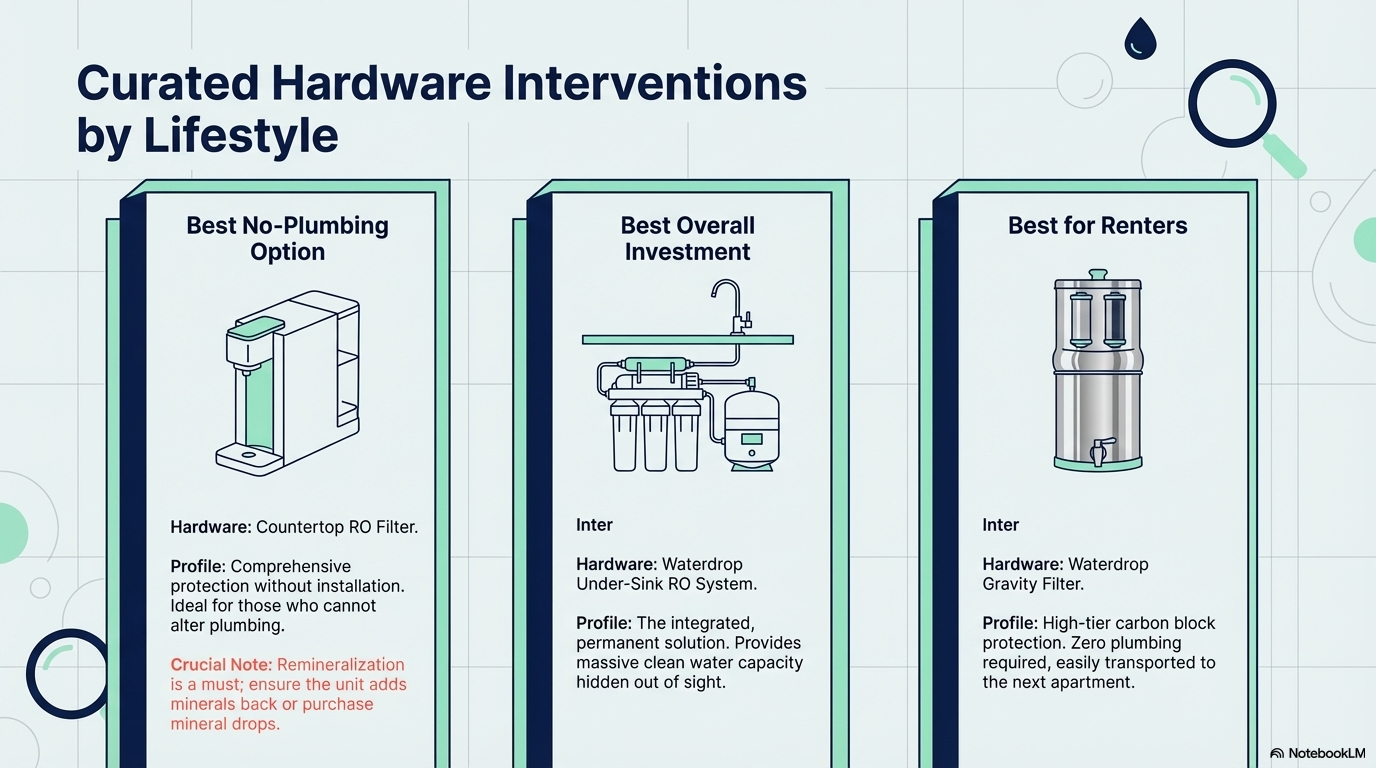
→ Shop My Top Water Filter Picks:
Best No Plumbing Option: Countertop RO Filter – Comprehensive protection without installation. Remineralization is a must or you’ll have to buy drops to add to the water.
Best Overall: Waterdrop Under-Sink RO System – Integrated solution with large clean water capacity
Best for Renters: Waterdrop Gravity Filter – No plumbing required, excellent filtration
A Note on Water Access
We're fortunate to consider whether our tap water is healthy enough. An estimated 2.2 million Americans lack running water entirely. Consider supporting organizations like the Navajo Water Project that bring clean water to communities without this basic necessity.
A More Practical Approach to Reducing Exposure
If you’re starting to rethink your water, it’s often a sign you’re ready to look at other everyday exposures too.
One of the biggest (and most overlooked) sources inside the home is phthalates. Download the free phthalate-free home guide here.